
Desserts
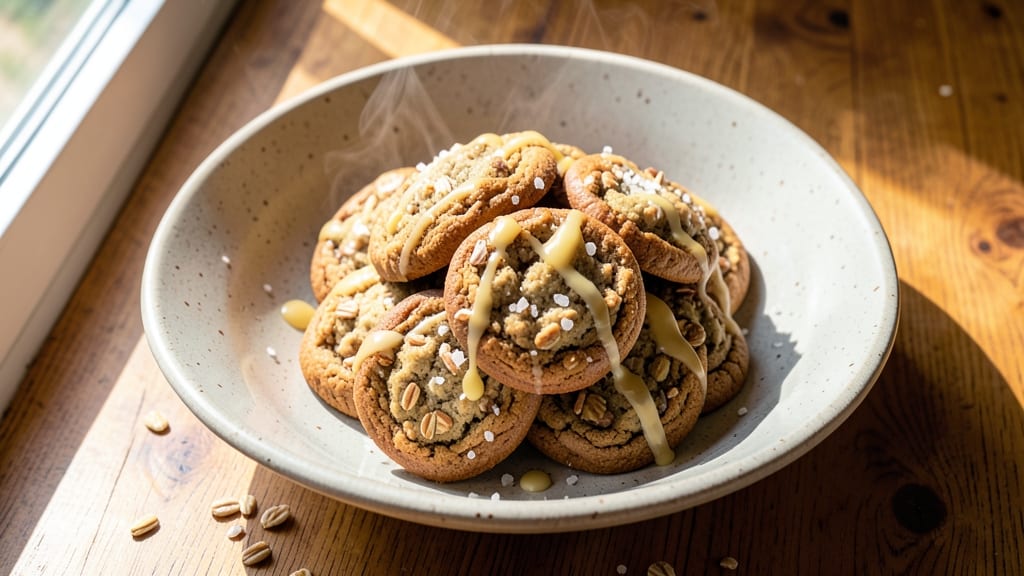
This 1 cup oatmeal cookie recipe delivers the perfect balance of chewy centers and caramelized edges—no fancy equipment or complicated steps required. The secret lies in using 1 cup of oats as the base, combined with simple pantry staples that create that signature texture and flavor.
I’ve tested this recipe countless times, and it consistently produces cookies that are crispy around the edges yet soft and tender in the middle, with just the right amount of chew from the oats.
The beauty of this recipe is its simplicity and versatility. With just five key ingredients—including the oats—you’ll have a batch of cookies ready in about 20 minutes of prep and 12 minutes of baking.
The brown sugar adds caramel notes, while the butter and eggs bind everything together, ensuring a moist, flavorful cookie. It’s the kind of recipe that works for beginners but still impresses experienced bakers.
What makes these cookies truly special is their texture—crispy edges that give way to a chewy, satisfying center. The oats add a subtle nuttiness and a satisfying bite, while the caramelized edges bring a touch of sweetness that makes each bite irresistible.
Whether you’re baking for a family gathering or just treating yourself to a homemade snack, these cookies are guaranteed to disappear quickly.
For extra flavor, consider adding chocolate chips, chopped nuts, or dried fruit—the possibilities are endless. And don’t worry if you don’t have all the ingredients on hand; this recipe is forgiving and easy to adapt.
Let’s get started on making these 1 cup oatmeal cookies that taste like a warm hug from your favorite bakery.
Ingredients for 1 cup oatmeal cookie
Five simple ingredients craft these perfect cookies with chewy centers and crisp edges—no substitutions needed.
| Ingredient | Amount | Notes |
|---|---|---|
| Old-Fashioned Rolled Oats 🌾 | 1 cup | Quick or old-fashioned, not instant |
| Unsalted Butter 🧈 | ½ cup | Cold, cubed for even baking |
| Light Brown Sugar 🍯 | ¾ cup | Packed firmly for accurate measure |
| Large Eggs 🥚 | 1 whole | Room temperature for even mixing |
| Vanilla Extract 🌿 | 1 tsp | Pure, not imitation |
| Diamond Crystal Kosher Salt 🧂 | ½ tsp | Adjust to taste after baking |
| Granulated Sugar 🍚 | ¼ cup | For caramelized edges |
| Baking Soda 🧪 | ¼ tsp | Ensures proper rise |
| Semisweet Chocolate Chips 🍫 | ½ cup | Optional, for added richness |
The oats are the foundation—quick or old-fashioned both work, but avoid instant. For the butter, use European-style if possible (like Plugrá) for higher fat content and better flavor. Brown sugar is non-negotiable here; its molasses content creates that signature caramelized edge. I always measure it packed into the cup—gentle taps on the counter ensure consistent density. The egg should be room temperature to blend smoothly with the butter, preventing a greasy texture. Vanilla extract matters: pure, nothing imitation—this is where subtle depth comes from. Store your oats in the freezer to preserve freshness, and keep butter sealed in the fridge until ready to use.
No chocolate chips? Skip them—the recipe still delivers perfect texture. Running short on brown sugar? Substitute light muscovado for a deeper caramel note, but reduce by 1 tbsp to account for moisture. Prefer a nuttier flavor? Toast the oats in a dry pan for 5 minutes before mixing—this enhances their natural sweetness. For a softer cookie, underbake by 1 minute. Need a gluten-free version? Swap oats for certified GF oats and add 1 tbsp almond flour to compensate for texture. The baking soda is critical—never use baking powder as a substitute. And if you're worried about spreading, chill the dough for 30 minutes before baking.
Cookies keep best at room temperature in an airtight container for 3-4 days, though they'll lose crispness after day 2. For longer storage, freeze portions on a tray first, then transfer to a bag—they'll last 3 months this way. Reheat in a 350°F oven for 5 minutes to restore crispness. The secret to perfect texture is baking one sheet at a time—overcrowding steams the cookies, making them gummy. And if you're making these for a crowd, double the recipe but bake in batches to maintain even doneness. The first batch always disappears fastest—plan accordingly.
Why You'll Love This Recipe
- No Mixer Needed: I swear by this dough—just smash the oats, cut in the butter, and fold in the egg. No food processor, no stress, just a fork and a bowl. Honestly, it’s the kind of recipe that makes me feel like a baking pro without any of the fuss.
- Chewy-Crisp Magic: That rolled oat texture? Chef’s kiss. The edges get just crisp enough to hold their shape, while the center stays soft—like a hug in cookie form. The brown sugar caramelizes into something dangerously addictive, especially when you add a splash of vanilla right from the jar.
- Lunchbox Hero: These hold up like champs—no squishy middles, no crumbling edges. Pack a batch on Sunday, and you’ve got a week’s worth of snacks for school, work, or road trips. (Yes, even on a Tuesday night, when you’re too tired to think.)
- Pantry Staple Power: Five ingredients, zero specialty items. If you’ve got oats, butter, sugar, and eggs, you’re golden. I’ll be real: I’ve made these with whatever brown sugar was in the cabinet, and they still turned out solid. Budget-friendly? Absolutely. Reliable? Even more so.
Instructions for perfectly chewy oatmeal cookies
Here's how to achieve the ideal texture—crisp edges and gooey centers—every time.
Cream Butter and Sugars for Maximum Flavor
In a stand mixer fitted with the paddle attachment, combine the 0.5 cup unsalted butter and 0.75 cup light brown sugar. Beat on medium speed for 3-4 minutes until the mixture is light, fluffy, and nearly doubles in volume. You'll notice the color lighten noticeably as air incorporates—this creates the signature chewy texture.
I press down on the butter briefly at the 2-minute mark to ensure even distribution. This prevents pockets of unmixed butter that would lead to dense, cakey cookies. The butter should look smooth and pale, with no visible graininess remaining. If the mixture feels too soft, chill it for 10 minutes before proceeding—this helps maintain structure during baking.
Incorporate Wet Ingredients and Mix Dry Components
Add the 1 whole large egg and mix on low speed for 30 seconds until fully incorporated. Then stir in the 1 tsp vanilla extract and 0.5 tsp diamond crystal kosher salt. The dough will appear slightly curdled at first, but don't worry—this will resolve when you add the dry ingredients.
In a separate bowl, whisk together the 1 cup old-fashioned rolled oats, 0.25 cup granulated sugar, and 0.25 tsp baking soda. Gradually add this mixture to the wet ingredients, mixing on low speed for 45-60 seconds until just combined. Overmixing develops gluten, which makes cookies tough. You should still see small flour streaks when you lift the paddle.
Fold in Chocolate Chips and Chill the Dough
Remove the bowl from the mixer and gently fold in the 0.5 cup semisweet chocolate chips using a silicone spatula. I press the dough together firmly to ensure even distribution—this prevents chocolate-heavy cookies and ensures every bite has a balanced flavor. The dough will be thick and slightly sticky, which is perfect for this recipe.
Cover the bowl with plastic wrap and refrigerate for at least 30 minutes (I prefer 1 hour). Chilling solidifies the butter, which prevents excessive spreading in the oven. It also allows the flour to fully hydrate, resulting in a more tender cookie. If you're short on time, you can freeze the dough for 15 minutes as a shortcut.
Bake for Caramelized Edges and Chewy Centers
Preheat your oven to 350°F and line two baking sheets with parchment paper. Scoop the chilled dough into 12 equal portions (about 1.5 tablespoons each) and place them 3 inches apart on the prepared sheets. I use a small ice cream scoop for consistent size—this ensures even baking.
Bake for 11-13 minutes until the edges are golden brown and the centers still look slightly underdone. The tops should have a crackly texture, but the centers should remain soft when pressed gently. If you're unsure, check at the 10-minute mark—underbaking is better than overbaking, as cookies firm up as they cool.
Cool and Enjoy Immediately
Let the cookies cool on the baking sheets for 5 minutes before transferring to a wire rack. This brief resting period prevents them from cracking as they firm up. Serve warm for the ultimate experience—the centers will be soft and gooey, while the edges remain crisp and caramelized.
These cookies keep well in an airtight container at room temperature for 5-7 days, but I recommend enjoying them fresh. The texture changes as they cool, so timing matters. For extra richness, I drizzle a little melted butter over the tops right after baking—it enhances the caramelization and adds a luxurious finish.
Pro Tips For Making 1 Cup Oatmeal Cookie
- Pulse Oats Coarse: DESCRIPTION: I learned this the hard way—blending rolled oats into a fine powder makes cookies dense and chalky. Instead, pulse them in a food processor until they’re roughly the size of breadcrumbs. You want texture, not paste.
- Chill the Dough: DESCRIPTION: Skip this, and your cookies will spread into flat pancakes. Divide the dough into two disks, wrap in plastic, and refrigerate for at least 30 minutes. The cold fat in the butter stays firm, keeping the shape intact.
- Measure Butter Cold: DESCRIPTION: Pack that unsalted butter into the measuring cup and level it off—don’t scoop it straight from the fridge. Cold butter creates pockets of steam during baking, giving you that classic chewy center. (Yes, even if you’re impatient like me.)
- Underbake Slightly: DESCRIPTION: The edges will look set before the centers are done. Pull cookies out when they’re just golden around the edges but still soft in the middle—they’ll firm up as they cool. Overbaking turns oatmeal cookies into dry hockey pucks.
Wine and beer pairings for these flavors
Sweet Dessert Wines
For these caramelized oatmeal cookies with their rich brown sugar notes, a Moscato d'Asti or Riesling is my go-to choice. The natural sweetness and subtle fruit flavors of these wines mirror the cookie's caramel undertones without overpowering them.
I love pairing them with a chilled glass of White Zinfandel—its berry notes complement the oats' nuttiness beautifully. 🍷
Spiced Red Wine
If you prefer red wine, opt for a light-bodied Pinot Noir with hints of vanilla and spice. The earthy undertones in Pinot Noir enhance the cookie's caramelized edges, while its smooth finish balances the chewy texture.
A Cabernet Franc from Loire Valley also works wonderfully—the bright acidity cuts through the richness of the butter and brown sugar.
Creamy Liqueur Pairings
For a more indulgent pairing, try a sip of Baileys Irish Cream alongside your cookies. The creaminess of the liqueur mirrors the cookie's soft centers, while the vanilla and caramel notes create a perfect harmony.
Another great option is Amaretto—its almond flavor echoes the nuttiness of the oats, making each bite even more satisfying. 🥃
Beer Pairings
A honey-brown ale like Allagash Honey Brown is a fantastic beer pairing. The caramel and toasted malt notes in the beer complement the cookie's brown sugar and oats beautifully. For something lighter, a Belgian witbier with its citrusy and spicy notes provides a refreshing contrast to the cookies' richness.
If you prefer a darker beer, try a amber ale with a touch of caramel and biscuit flavors.
Coffee and Tea
For a non-alcoholic pairing, a strong cup of coffee with a hint of vanilla syrup enhances the cookie's caramelized edges. The bitterness of the coffee balances the sweetness, creating a perfect contrast.
Alternatively, a chamomile tea with a splash of honey adds a soothing element that complements the cookies' warm, comforting flavors. ☕
Nutrition facts
Frequently asked questions
Why do your oatmeal cookies have chewy centers?
The chewy texture comes from creaming the butter and brown sugar for 3-4 minutes—this incorporates air that creates a tender crumb. Using 1 cup of oats (not flour) adds natural chewiness, while slightly underbaking (11-13 minutes) keeps the centers soft. The baking soda also helps maintain moisture during baking.
Can I make these cookies without chocolate chips?
The recipe works perfectly without chocolate chips—just omit them. For extra flavor, try adding ½ cup chopped walnuts or ½ cup dried cranberries. The base recipe delivers all the caramelized edge and chewy center magic without add-ins.
How do I prevent my oatmeal cookies from spreading too much?
Chill the dough for at least 30 minutes before baking—this firms up the butter and prevents excessive spreading. Also, scoop dough balls 1.5 tablespoons each and place them 3 inches apart on the baking sheet. Using a small ice cream scoop ensures consistent size. Bake at 350°F for 11-13 minutes—don't overbake!
What's the best way to store leftover cookies?
Store cookies in an airtight container at room temperature for 3-4 days for best texture. For longer storage, freeze portions on a tray first, then transfer to a bag—they'll last 3 months. To restore crispness, reheat in a 350°F oven for 5 minutes. The first batch always disappears fastest—plan accordingly!
Can I substitute old-fashioned oats for quick oats?
Yes, but with one key adjustment: quick oats will make slightly softer cookies. For best results, toast 1 cup quick oats in a dry pan for 3-4 minutes until fragrant before mixing. This enhances their flavor and texture. Old-fashioned oats give a more pronounced chew, but quick oats work in a pinch.