
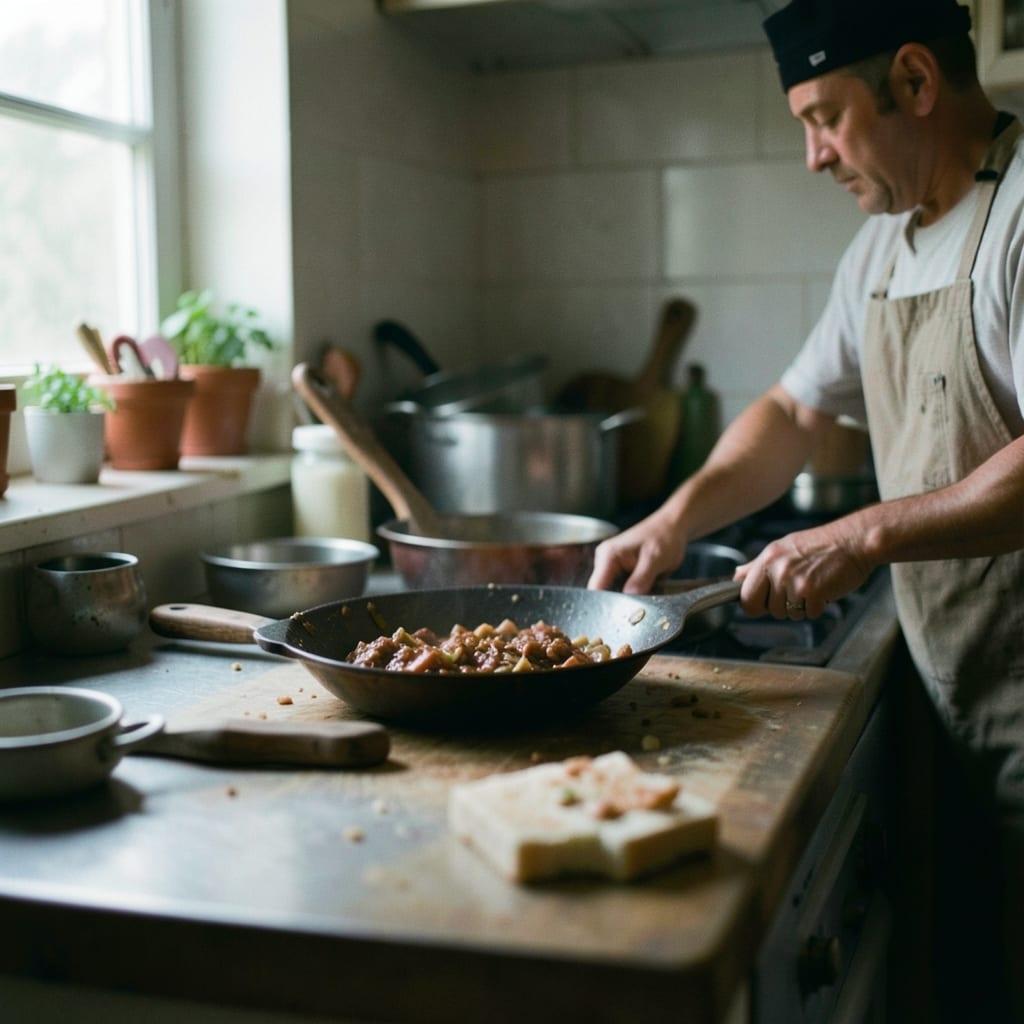
You have read a hundred of these
You’re right to be sceptical. Most recipe sites promise ‘foolproof’ results while quietly hoping you won’t notice when the edges burn before the center sets. We don’t do that. Every recipe here has been made at least three times—sometimes more—until it works in a kitchen that isn’t a food studio.
That means no ‘perfect’ photos where the cookies plump off the tray; just real results from real attempts.
The first time I posted a recipe without testing it twice, I got an email from someone whose cookies looked like hockey pucks. That’s when I realised: if I’m not willing to fail, why should you be?
We keep the versions that work, scrap the ones that don’t, and always say so. No ‘trust us’—just the proof in the process.
It’s a lie told to people who’ve never burned a batch of cookies or turned a cake into a brick.
Anyone can write that they test things
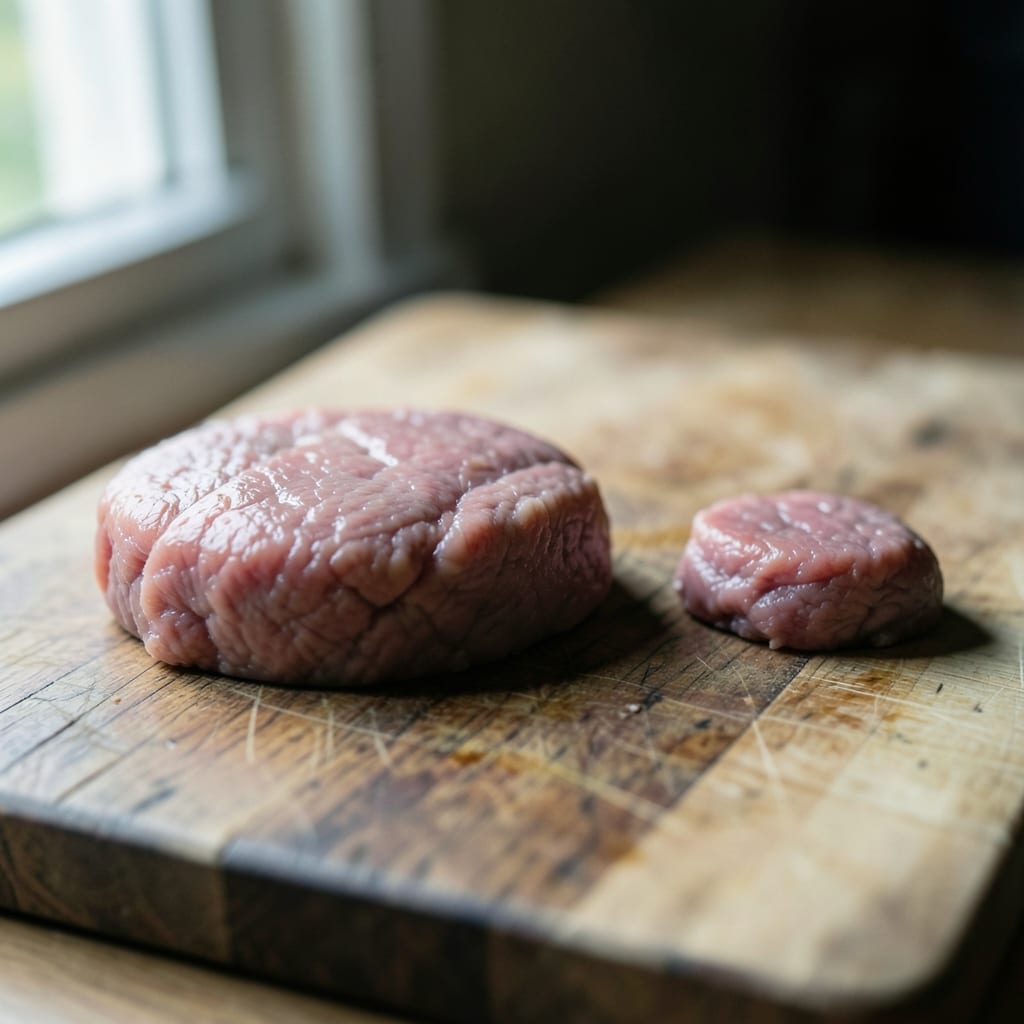
Testing here looks like this: a recipe starts as a hypothesis. The first batch goes in at 350°F (175°C) for 12 minutes, based on what ‘similar’ recipes say. If the cookies spread into pancakes, the temperature drops to 325°F (160°C) and the time increases by two minutes.
If the edges crisp too fast, the oven rack moves to the middle. We don’t guess—we measure, adjust, and repeat until the variables stop fighting us.
Some recipes take six attempts. Others, like the bourbon-glazed cinnamon rolls, required dismantling a failed batch to diagnose why the glaze crystallised mid-proof. The discarded dough? Fed to the dogs. The notes? Kept.
Every failed batch is a step closer to the one that works, and we won’t publish anything that hasn’t earned its place.
It means burning through three batches of shortbread before the butter ratio is right.
About the author
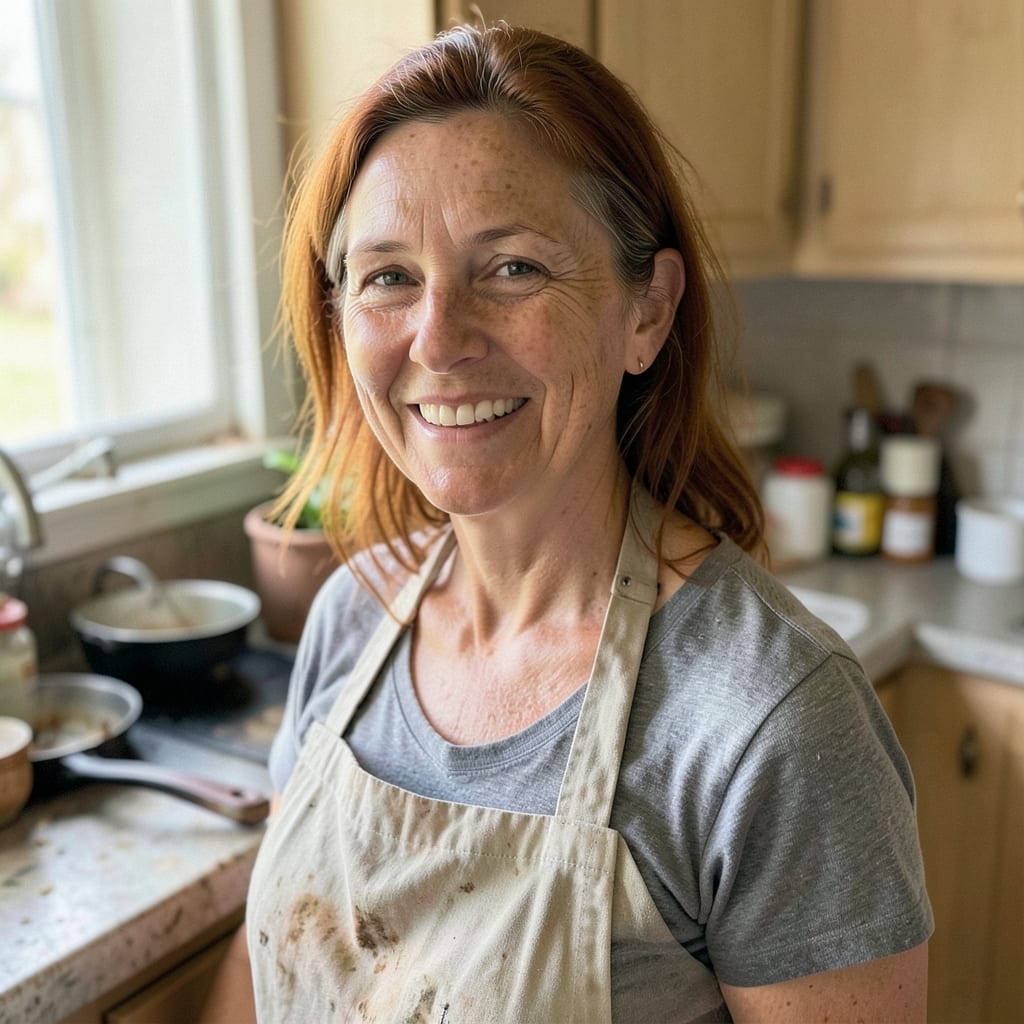
Yvette Dubois is the founder and editor, and she still measures flour by scooping—not weighing—when she’s in a hurry.
The rules we work by
- 1No shortcuts in the first attempt
The first batch is always made by hand, with no substitutions. If the recipe can’t survive that, it’s not worth sharing. This means no ‘use cornstarch if you’re out of flour’—just the real thing, the first time.
- 2Every variable gets a second try
Temperature, time, and technique are tested in isolation. If the oven runs hot, we bake at a lower temp for longer. If the dough cracks, we adjust the hydration. No ‘close enough’—just data until the result is consistent.
- 3We admit what we don’t know
If a recipe requires a tool you don’t own (like a candy thermometer), we say so. If we’ve never made it ourselves, we credit the source and note why we’re sharing it. Transparency isn’t optional—it’s the only way to earn trust.
- 4The reader’s time matters more than ours
A recipe that takes 45 minutes to make but requires 2 hours of prep isn’t ‘efficient’—it’s dishonest. We cut unnecessary steps, but never the ones that actually matter, like proofing dough properly or resting meat.
- 5We break our own rules on purpose
If a ‘foolproof’ method fails in three tests, we publish the failure and the fix. The goal isn’t perfection—it’s proving what works, even if that means scrapping a draft and starting over.
The first time I ignored these rules was with a batch of pecan pie. I used a pre-made crust to save time, and it leaked filling everywhere. The second time, I weighed the sugar instead of scooping, and the texture turned grainy.
Both failures cost me ingredients, time, and the will to bake for a week—but they also taught me that rules exist to be tested, not worshipped. The pecan pie now has a lattice crust and a precise sugar-to-corn-syrup ratio. The lesson?
Even the best systems break down when you stop paying attention.
This will not be right for everyone
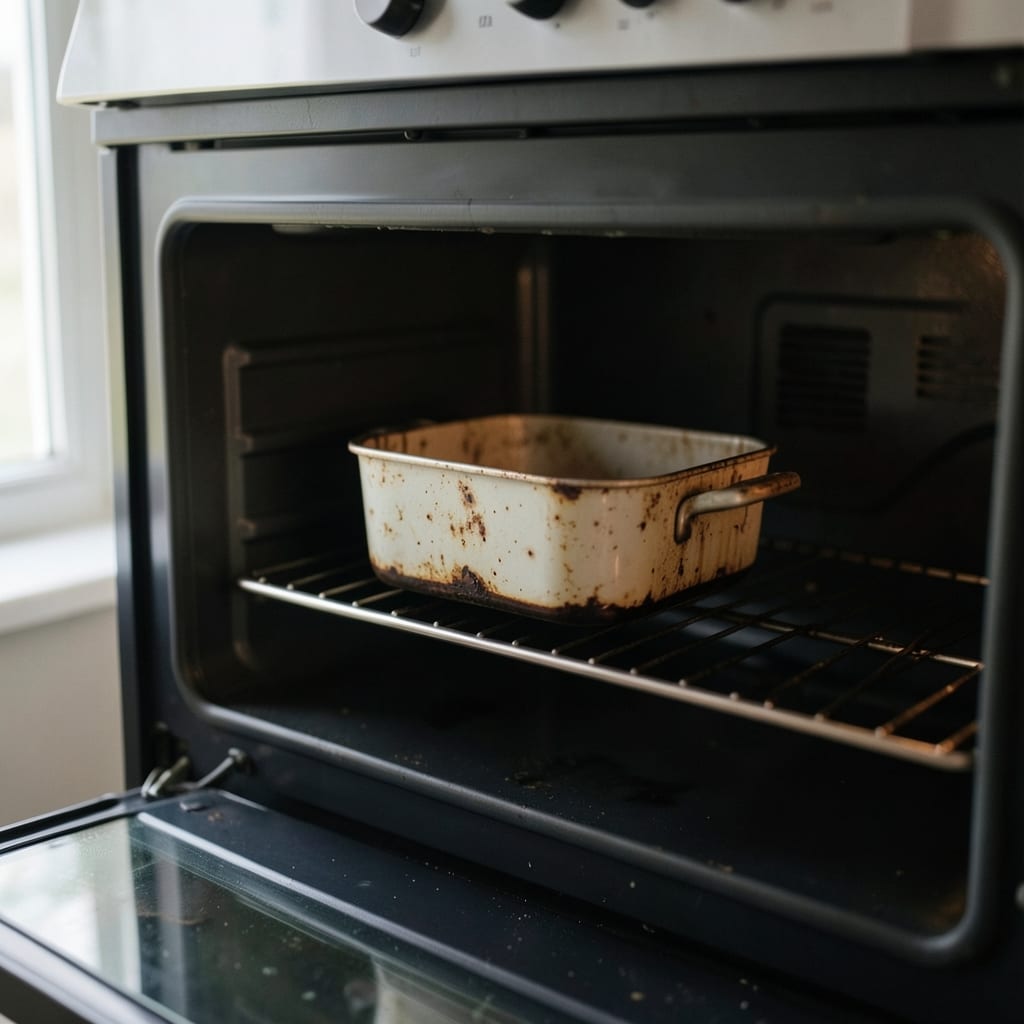
Close this page if you’re looking for ‘5-minute microwave mug cakes’ or recipes that treat baking like assembly-line work. This site is for people who want to understand *why* a recipe works—or fails—and how to fix it when it does.
If you’d rather skip the science and just get a result, there are faster ways. But if you’ve ever burned a batch of cookies because the instructions said ‘bake until golden’ without telling you what ‘golden’ looks like in your oven? You’re in the right place.
We also assume you have basic tools: a kitchen scale, a thermometer, and an oven that doesn’t run 50°F hotter than the dial says. If you’re working with what you’ve got—like baking in a toaster oven or using a digital scale that lies—we’ll tell you how to adjust.
But we won’t pretend those adjustments won’t change the outcome.
You could just be told what you want to hear
We could say every recipe here is ‘easy’ or ‘foolproof,’ but that’s what gets ignored when the cookies turn out like hockey pucks. Instead, we tell you what actually happened: the batch that spread too thin, the time the cake collapsed, the one where the glaze set like cement.
The goal isn’t to sell you a fantasy—it’s to give you the tools to handle the real thing.
Worth telling us
- What tools you’re missing and how to improvise (e.g., ‘No stand mixer? Here’s how to cream butter by hand without your arms giving out’).
- When a recipe *shouldn’t* work—but does anyway (e.g., ‘This no-churn ice cream survived a power outage because of X’).
- The one thing you’d change if you could (e.g., ‘I’d use a mandoline if I owned one, but this method with a knife works in a pinch’).
The recipes are grouped by category: Appetizers, Beverages, Breakfast & Brunch, Desserts, Main Courses and Reviews.