
Desserts
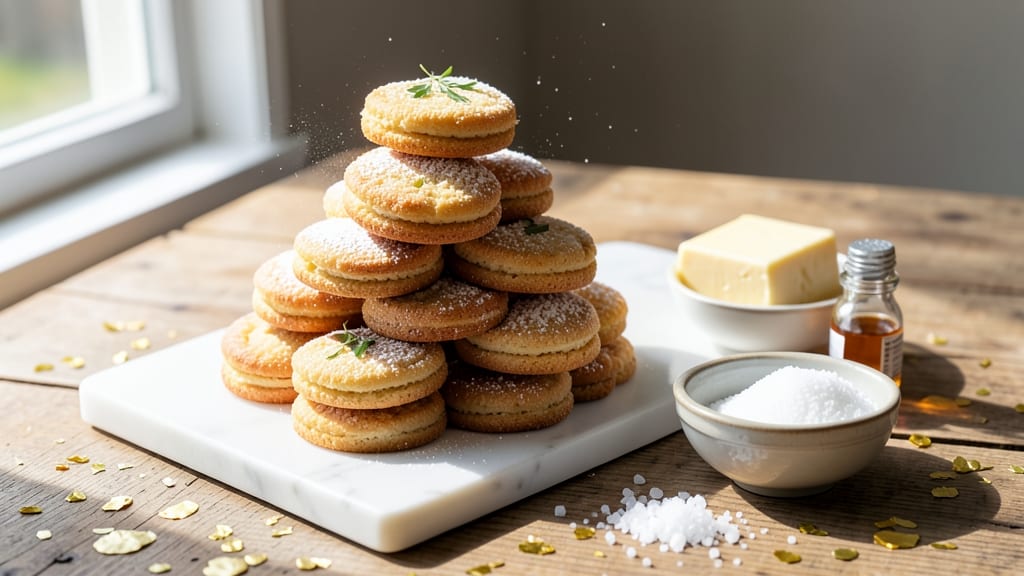
This 5-star shortbread cookie recipe delivers the perfect balance of buttery richness and sandpaper crunch that makes every bite unforgettable. ✨ The secret lies in precise measurements and a chilling process that transforms simple ingredients into luxurious cookies with crisp edges and tender centers. After years of perfecting this technique, I've finally cracked the code for restaurant-quality shortbread at home.
The foundation starts with cold butter and sugar, beaten until light and fluffy—a critical step that creates the signature pillowy layers. Chilling the dough for at least 2 hours ensures clean cuts and prevents spreading, while a light dusting of powdered sugar before baking adds that signature 5-star elegance.
This isn't just a cookie; it's a delicate masterpiece that pairs beautifully with tea or coffee.
What sets these apart is the texture—crispy yet tender, with a satisfying snap that gives way to melt-in-your-mouth butter flavor. The dough's simplicity (just 5 ingredients) makes it foolproof, while the optional garnishes like chocolate drizzle or edible gold leaf elevate it to gourmet status.
Each batch yields perfectly uniform cookies that look as impressive as they taste.
Whether you're serving at a holiday gathering or treating yourself to a luxurious afternoon snack, these cookies deliver the kind of quality that justifies the name. The recipe scales perfectly for events, and leftovers stay fresh for days. Let's create something truly exceptional—one buttery layer at a time.
Ingredients for 5 star shortbread cookie
Five essential ingredients transform into luxurious 5-star shortbread cookies with crisp edges and tender centers.
| Ingredient | Amount | Notes |
|---|---|---|
| Unsalted Butter 🧈 | 1 cup | Cold, cut into cubes |
| Granulated Sugar 🍚 | ½ cup | Superfine preferred for smoothness |
| Powdered Sugar 🍚 | ¼ cup | For dusting and final touch |
| All-Purpose Flour 🌾 | 2 cups | Sifted, plus extra for dusting |
| Vanilla Extract 🍯 | 1 tsp | Pure, high-quality extract |
| Diamond Crystal Kosher Salt 🧂 | ¼ tsp | Fine grain preferred |
| Dark Chocolate Chips 🍫 | ½ cup | Optional for garnish (70% cocoa) |
| Edible Gold Leaf ✨ | 1 sheet | Optional for luxury finish |
| Almond Extract 🌰 | ½ tsp | Optional for nutty depth |
The unsalted butter must be cold—cut into cubes and kept chilled until mixing to create those signature pillowy layers. European-style or grass-fed butter delivers superior flavor, but high-quality American brands like Land O'Lakes or Plugrá work beautifully. The sugar choice matters too: superfine sugar ensures a smoother texture, but regular granulated sugar works if pulsed in a food processor first. For flour, King Arthur or Gold Medal brands are ideal—their protein content balances tenderness and structure. Store butter in its original packaging in the fridge, and transfer flour to an airtight container to maintain freshness.
No vanilla extract? Almond extract adds depth, or vanilla bean paste intensifies flavor. The kosher salt must be fine grain—Diamond Crystal is the gold standard, but Morton works in a pinch. For chocolate garnish, Ghirardelli 70% dark chips melt perfectly, while Valrhona offers premium luxury. The edible gold leaf (available at craft stores or specialty baking shops) elevates presentation without altering flavor. If you're short on time, skip the extract entirely—the butter's richness carries the cookie.
Dough must chill for at least 2 hours (overnight is ideal) to prevent spreading. Wrap tightly in plastic wrap and refrigerate. The powdered sugar for dusting should be sifted through a fine mesh to avoid clumps. Cookies stay fresh for 5 days in an airtight container at room temperature, or 2 weeks in the freezer. For events, bake sheets ahead and freeze fully cooled cookies between parchment paper—reheat at 300°F for 5 minutes to restore crispness.
Why You'll Love This Recipe
- Four-Ingredient Magic: I swear, this is the kind of recipe where you measure, mix, and bake—no fussing with eggs or extra steps. Just cold butter, sugar, flour, and vanilla. That’s it. Even if you’re not a baker, you’ll nail it.
- Butter-Sugar Bliss: The moment those cookies hit the oven, the butter melts into pure golden richness while the sugar caramelizes just enough for that signature crunch. Honestly, the first bite makes me forget there’s anything better than this simple combo.
- Gift-Worthy Always: Between us, these are the cookies I bring to holiday parties, teacher appreciation gifts, or just because. They look elegant (thanks to that powdered sugar dusting), but they’re so easy to shape into logs or cut into fancy shapes—no one suspects how unfussy they are.
- Lasts All Week: I make a double batch on Sundays, and they’re still crisp by Thursday. The powdered sugar keeps them from getting soggy, and the high butter ratio means they won’t turn into sad, dry cookies. Plus, they’re cheap—just flour and butter, so you can bake a whole sheet without guilt.
Step-by-step instructions for 5 star shortbread cookies
Master the art of shortbread with this method—where texture meets precision.
👨🍳 Step 1: Cut and Cream the Cold Butter
Place the 1 cup unsalted butter (cold, cut into cubes) in the bowl of a stand mixer fitted with the paddle attachment. I like to use a food processor for this step—it ensures even distribution and prevents melting. Pulse until the butter resembles coarse crumbs, about 10-15 seconds. This texture is crucial for achieving that signature sandpaper crunch.
Add the 0.5 cup granulated sugar and 0.25 cup powdered sugar to the butter crumbs. Mix on low speed for 1 minute until the sugars are evenly distributed and the mixture begins to form a coarse paste. Avoid high speed—this prevents air incorporation, which we want to minimize for the dense, crumbly texture. The powdered sugar here helps create that delicate balance between crisp and tender.
🍳 Step 2: Incorporate Flavor and Dry Ingredients
Add the 1 tsp vanilla extract, 0.5 tsp almond extract, and 0.25 tsp Diamond Crystal kosher salt to the butter-sugar mixture. Mix on low speed for 30 seconds until fully combined. The extracts infuse subtle depth, while the salt enhances all flavors. I always add the extracts last—they’re volatile and can evaporate if mixed too early.
In a separate bowl, whisk together the 2 cups all-purpose flour. Sift the flour directly into the butter mixture, then mix on low speed for 1-2 minutes until the dough just comes together. Stop mixing as soon as the flour disappears—overmixing develops gluten, which ruins the delicate crumb. The dough should be shaggy and slightly crumbly, like wet sand.
🥘 Step 3: Shape and Chill the Dough
Turn the dough out onto a lightly floured surface and gently press it into a 1-inch thick rectangle. Wrap it tightly in plastic wrap and refrigerate for at least 1 hour (I prefer 2 hours for best results). Chilling firms the butter, which prevents excessive spreading during baking. This step is non-negotiable—rushed dough leads to flat, cakey cookies instead of pillowy layers.
While the dough chills, preheat your oven to 325°F. Line two baking sheets with parchment paper and set them aside. The lower temperature ensures even baking without browning, while the parchment prevents sticking. The dough should be cold to the touch when ready to shape—press it gently to check.
🔪 Step 4: Cut and Bake for Crisp Edges
Remove the dough from the refrigerator and unwrap it. Using a 3-inch round cutter, press straight down to cut out cookies—no twisting or rotating, or you’ll get uneven edges. Place the cutouts 2 inches apart on the prepared baking sheets. Gather the scraps, press them back together, and cut out more cookies until the dough is exhausted.
Bake the cookies for 18-20 minutes until the edges are just beginning to turn golden and the centers remain pale. They should feel firm to the touch but not hardened. Rotate the baking sheets halfway through for even baking. The powdered sugar in the dough helps create that signature shortbread shine, but don’t overbake—shortbread dries out quickly.
⏰ Step 5: Cool and Finish with Luxury Touches
Remove the cookies from the oven and let them cool on the baking sheets for 5 minutes before transferring to a wire rack. While still warm, dust the tops generously with powdered sugar using a fine-mesh sieve. This step adds that signature shortbread elegance and prevents the cookies from drying out.
For the luxury finish, gently press the 1 sheet edible gold leaf onto the cooled cookies using a soft brush. If using, sprinkle the 0.5 cup dark chocolate chips over the top of the warm cookies and let them melt slightly for a decadent contrast. Serve within 2 days for peak texture—shortbread is best enjoyed fresh, with that perfect balance of crisp edges and buttery crunch.
Pro Tips For Making 5 Star Shortbread Cookie
- CHILL THE DOUGH: After mixing, flatten the dough into a disk, wrap it tightly in plastic, and refrigerate for at least 2 hours—overnight works even better. I used to skip this, and the cookies spread like wildfire, turning into sad, thin pancakes instead of buttery squares. Cold dough holds its shape and bakes evenly.
- WEIGH THE BUTTER: Use a kitchen scale for the butter—1 cup packed equals about 225g, not the 200g you’d guess. I learned this the hard way when my cookies turned out greasy and dense. Precise measurements matter more than you’d think, especially with shortbread where butter is the star.
- SIFT THE FLOUR TWICE: Don’t just dump the flour—sift it once before mixing, then sift it again after adding the wet ingredients. This cuts out lumps and aerates the dough, giving you that signature tender crumb. Yes, it’s extra work, but it’s the thing that matters most for texture.
- PRESS, DON’T ROLL: Use a glass or measuring cup to press the dough into the pan instead of rolling it out—it creates cleaner edges and even thickness. Rolling leaves gaps, and the cookies end up uneven. Sounds weird, but it works: no extra effort, just better results.
Essential equipment for this dish
Stand Mixer Essentials
The KitchenAid Artisan Series stand mixer with the paddle attachment is my go-to for shortbread—its low speed control prevents overheating the butter while ensuring even distribution.
For budget-friendly options, the Cuisinart SM-50 delivers similar results. Avoid high-speed mixing at all costs; shortbread dough needs gentle handling to maintain its delicate crumb. 💛
Precision Cutters
Invest in a 3-inch round cutter with a serrated edge—I use the Wilton Shortbread Cutter for clean cuts that create those signature crisp edges. For variety, add a star-shaped cutter or rectangular mold to elevate presentation. Always press straight down without twisting to maintain uniform thickness.
Chilling Tools
An airtight plastic wrap is essential for proper dough chilling, but I upgrade with Vitamix FoodSaver bags to prevent freezer burn if storing overnight. For larger batches, a deep baking dish (like Pyrex 9x13-inch) helps shape the dough neatly before wrapping.
Never skip chilling—it’s the secret to preventing flat, cakey cookies.
Baking Sheets
Use half-sheet pans lined with parchment paper (like If You Care brand) for even baking and easy release. I rotate trays halfway through baking to ensure consistent 325°F heat distribution. For extra crispness, place sheets on the middle rack—this prevents browning while ensuring a firm base.
Finishing Touches
A fine-mesh sieve (like Norpro 4-inch) is perfect for dusting powdered sugar evenly, while a soft makeup brush applies edible gold leaf flawlessly. For chocolate drizzle, melt Ghirardelli chips in a double boiler and drizzle immediately after baking.
Store finished cookies in an airtight container with parchment between layers to preserve texture.
Nutrition facts
Frequently asked questions
Why do these shortbread cookies need to chill for so long?
Chilling the dough for at least 2 hours is crucial for that signature shortbread texture. The cold butter firms up, preventing spreading and ensuring clean cuts when you shape the cookies. This step also allows the flour to fully absorb the butter, creating those perfect pillowy layers with crisp edges. Skipping it results in flat, cakey cookies instead of the luxurious texture you want.
Can I use regular granulated sugar instead of superfine?
Yes, but you'll need to pulse it in a food processor for 30-60 seconds to break it down into a finer texture. Superfine sugar creates a smoother cookie, but regular sugar works fine if processed properly. The key is achieving that same delicate crumb—just avoid any graininess that could affect the texture.
How do I prevent my shortbread cookies from spreading?
First, ensure your butter is properly chilled before mixing. Second, use a 3-inch round cutter and press straight down without twisting. Third, bake at 325°F—hotter temperatures cause spreading. Finally, don't overbake: pull them when edges are just golden and centers are still pale. These steps create that perfect shortbread shape every time.
What's the best way to store these cookies?
Keep them in an airtight container with parchment paper between layers to maintain freshness. They'll stay perfect for 5 days at room temperature or 2 weeks in the freezer. For events, bake ahead and freeze fully cooled cookies between parchment—reheat at 300°F for 5 minutes to restore crispness before serving.
Can I make these cookies gluten-free?
While possible, gluten-free shortbread won't have the same signature texture. For best results, use a 1:1 gluten-free flour blend> with xanthan gum and increase the flour by 1-2 tablespoons. Expect slightly denser cookies with less crispness. Traditional all-purpose flour creates that perfect balance of tenderness and crunch that defines classic shortbread.