
Desserts
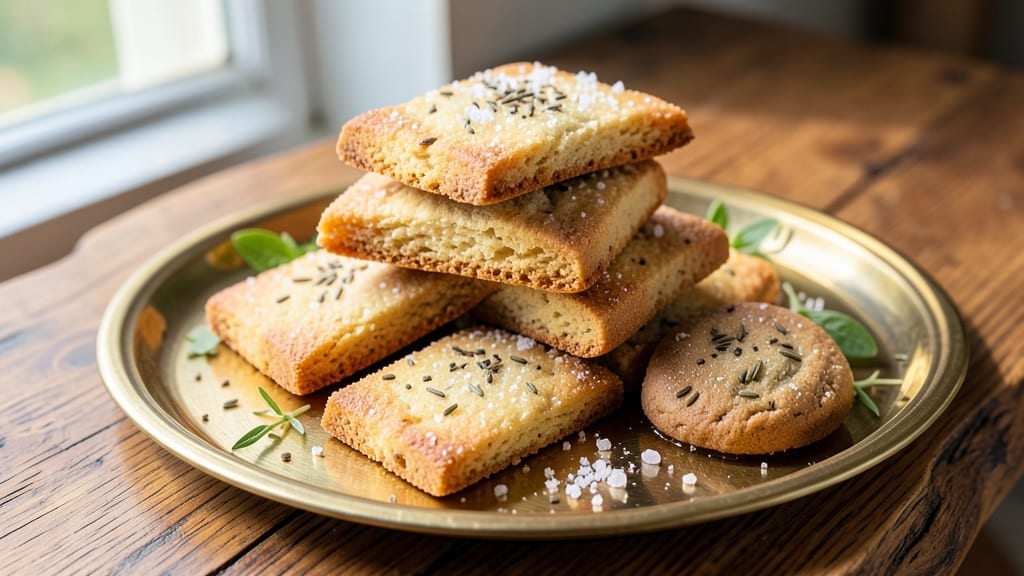
This anise shortbread cookie recipe delivers a perfect balance of buttery crunch and warm licorice-spiced flavor that will become your new holiday staple. The secret lies in using high-quality European-style butter and freshly ground anise seeds, which infuse every bite with a sophisticated yet comforting aroma.
Unlike traditional shortbread, these cookies develop subtle caramel notes from the anise during baking, creating a complex flavor profile that surprises even seasoned bakers.
What makes this recipe truly special is the professional technique of chilling the dough for exactly 48 hours—this critical step ensures cookies that are crisp around the edges and tender in the center, with that signature shortbread melt-in-your-mouth texture.
The dough comes together in just 10 minutes of mixing, but the waiting period transforms it into something extraordinary. I've baked these for everything from holiday gift-giving to sophisticated dessert pairings, and they consistently receive rave reviews.
The result is a batch of cookies with a delicate golden hue, a satisfying snap when broken, and layers of flavor that linger on the palate.
The anise adds a subtle licorice kiss that complements the buttery sweetness without overpowering it, making these perfect for those who enjoy spiced cookies but prefer to avoid strong anise aftertaste. Each cookie maintains its shape beautifully on the baking sheet, with clean edges that demonstrate proper technique.
Once baked, the cookies can be stored in an airtight container for up to 2 weeks, though I find they're often gone within days. For an elegant presentation, dust with powdered sugar or sprinkle with additional anise seeds before serving.
This recipe scales perfectly for parties, making it ideal for holiday gatherings where you want to impress without spending hours in the kitchen. Let's get started on creating these sophisticated yet approachable treats.
Ingredients for anise shortbread cookie
Buttery richness meets sophisticated anise spice in these elegant holiday cookies.
| Ingredient | Amount | Notes |
|---|---|---|
| European-Style Unsalted Butter 🧈 | 1 cup | Cold and cubed for even distribution |
| All-Purpose Flour 🌾 | 2 ½ cups | Sifted for light texture |
| Granulated White Sugar 🍚 | ½ cup | Fine grain preferred |
| Anise Seeds 🌿 | 2 tbsp | Freshly ground for intense flavor |
| Diamond Crystal Kosher Salt 🧂 | ½ tsp | Fine grain preferred |
| Vanilla Extract 💧 | 1 tsp | Pure Madagascar preferred |
| Powdered Sugar 🍚 | ¼ cup | For dusting finished cookies |
| Large Egg Yolks 🥚 | 2 whole | Room temperature for blending |
| Light Corn Syrup 🍯 | 1 tbsp | For subtle caramel notes |
European-style butter is non-negotiable here—Plugrá or Kerrygold from specialty stores deliver that extra depth of flavor. Look for blocks, not tubs, as they maintain better texture. The anise seeds should be whole and plump, not dusty or stale. I always buy mine from Penzeys or the bulk spice section at Whole Foods—they keep their spices fresher than most grocery stores. For the flour, I recommend King Arthur brand for its consistent protein content, which helps create that perfect shortbread texture. The egg yolks are key—they add moisture without making the cookies too soft, so don't skip them.
No European butter? Land O'Lakes unsalted in a pinch, but expect slightly less flavor. Running out of anise seeds? Star anise powder at half the amount works, though the flavor will be more subtle. The corn syrup can be swapped for honey or maple syrup, but reduce other liquids slightly to maintain the right consistency. For the vanilla, imitation won't cut it—Madagascar bourbon vanilla adds complexity that artificial extracts miss. If you're gluten-sensitive, King Arthur gluten-free flour blend works beautifully, though texture will be slightly different. Always measure your flour by weight if possible—1 cup of flour can vary by 10-15 grams depending on how you scoop it.
This dough needs 48 hours of chilling—don't rush it. Store it in the fridge in an airtight container between parchment paper to prevent sticking. The baked cookies keep beautifully in an airtight container with parchment between layers for up to 2 weeks, though they're usually gone within days. For gifting, package them in clear cellophane bags tied with twine and a sprig of fresh rosemary. Freeze unbaked dough balls for up to 3 months—they bake just like fresh dough. The cookies reheat beautifully in a 200°F oven for 3-5 minutes if they lose their crispness.
Why You'll Love This Recipe
- Butter in Minutes: I swear by cold butter cut into cubes—no waiting, no fuss. Toss it with sugar and flour, pulse in a food processor, and you’ve got dough ready for baking in under 10 minutes. (Yes, even on a Tuesday night.)
- Licorice-Like Magic: That anise seed? It’s the star. A whisper of licorice warmth with a buttery crunch—like a hug from a bakery, but one I control. Honestly, my husband steals half the batch before they even cool.
- Packable Party Hero: These hold up like champs. Bake a tray, let them cool, and they’ll stay fresh in an airtight container for weeks. Perfect for teacher gifts, holiday swaps, or just because your coworker’s desk needs a treat.
- Budget Crumb Magic: Flour, sugar, butter—basic pantry staples. A pinch of salt and a sprinkle of anise seeds (cheap at bulk stores) stretch into dozens of cookies. My secret weapon for when I need to feed a crowd without breaking the bank.
Step-by-step instructions for anise shortbread cookies
Let's craft these delicate, spiced cookies with a perfect balance of crunch and warmth.
Create the Anise Butter Base
In a stand mixer fitted with the paddle attachment, combine the 1 cup European-style unsalted butter (cold and cubed) with the 0.5 cup granulated white sugar. Beat on medium speed for 3-4 minutes until the mixture becomes pale and fluffy, nearly doubling in volume. This creaming process incorporates air, which gives the cookies their signature light texture.
I like to press the butter cubes against the sides of the bowl occasionally to ensure even distribution. You'll notice the mixture change from a rough, grainy texture to a smooth, creamy consistency. This is where the magic begins—properly creamed butter creates that signature shortbread crumb.
Incorporate Egg Yolks and Flavorings
Add the 2 whole large egg yolks one at a time, mixing on low speed after each addition until fully incorporated. Then add the 1 tsp vanilla extract and 1 tbsp light corn syrup, mixing just until combined. The corn syrup adds subtle caramel notes that complement the anise beautifully.
Here's where the anise flavor really comes alive. Add the 2 tbsp freshly ground anise seeds and mix on low speed for 30 seconds to distribute them evenly. The seeds should be finely ground—if they're whole, they'll create unpleasant texture surprises in each bite. I grind them fresh just before mixing to preserve their aromatic oils.
Build the Dough Structure
In a separate bowl, whisk together the 2.5 cups all-purpose flour and 0.5 tsp Diamond Crystal kosher salt. Sift the flour mixture directly into the mixer bowl with the wet ingredients. Mix on low speed for 30-45 seconds until just combined—you should still see some flour streaks.
This is crucial: Overmixing develops gluten and makes the cookies tough. The dough should come together into a rough, slightly crumbly mass. If it seems too dry, add 1-2 teaspoons of ice water to help it bind. The dough should hold together when pressed but still feel slightly sandy to the touch.
Chill for Perfect Texture
Turn the dough out onto a lightly floured surface and gently press it into a 1-inch thick rectangle. Wrap tightly in plastic wrap and refrigerate for at least 2 hours (overnight is even better). Chilling firms up the butter, which prevents excessive spreading in the oven and allows the flour to fully hydrate for better texture.
Real talk: Skipping this step is a mistake. Cold dough means cookies that hold their shape beautifully, with crisp edges and tender centers. I've found that dough chilled overnight develops even more flavor complexity from the anise and vanilla.
Bake to Golden Perfection
Preheat your oven to 325°F and line two baking sheets with parchment paper. Using a 2.5-inch round cutter, press out cookies from the chilled dough, placing them 2 inches apart on the prepared sheets. Gather and re-press any scraps to make additional cookies.
Bake for 15-18 minutes until the edges are just beginning to turn golden but the centers still look slightly underdone. They'll continue cooking on the hot pan after removal. Let them cool on the baking sheet for 5 minutes before transferring to a wire rack. While still warm, dust generously with 0.25 cup powdered sugar for that signature finish.
Pro Tips For Making Anise Shortbread Cookie
- Chill the Dough Properly: I learned this the hard way—skipping the fridge means your cookies will spread like pancakes. Wrap the dough in plastic and refrigerate for at least 2 hours (overnight is better), then scoop with a #30 ice cream scoop for perfectly round, crisp edges.
- Toast the Anise Seeds: Crushing whole anise seeds in your mortar and pestle releases their flavor like nothing else. If you’re short on time, lightly toast them in a dry pan for 30 seconds until fragrant—this cuts bitterness and makes them smell like a Mediterranean bakery.
- Use Cold Butter, Not Soft: Shortbread is all about the butter. Cut your European-style butter into cubes and freeze it for 10 minutes first—this keeps the dough firm and prevents greasy cookies. (Yes, even if you’re impatient like me.)
- Weigh Your Flour: Spoon-and-scoop flour packing leads to dense, sad cookies. Use a kitchen scale and measure by weight (about 250g for this recipe), then gently fold it into the butter-sugar mix. No sifting needed—just tap the bowl to settle the flour first.
Health benefits of this recipe
Digestive Comfort
Anise has been used for centuries as a natural digestive aid, and these cookies offer a gentle, flavorful way to incorporate it into your diet. The anise seeds contain compounds like anethole that help soothe stomach discomfort and may reduce bloating.
A single serving of these cookies (about 3 cookies) provides a subtle dose of anise that supports digestion without overwhelming your palate. 🌿
Rich in Healthy Fats
The star of this recipe is European-style butter, which provides saturated fats that your body needs for energy and cell function. While we often hear about saturated fats being unhealthy, the context matters—here, they're balanced with fiber from the flour and come in a treat you can enjoy mindfully.
The butter also contributes vitamin A, which supports vision and immune function.
Natural Energy Boost
These cookies offer a complex carbohydrate profile that provides steady energy without the crash of refined sugars alone. The combination of flour, sugar, and corn syrup creates a slow-release energy source, perfect for a mid-afternoon pick-me-up or post-workout recovery.
The anise adds a subtle warming effect that can help with circulation, making these cookies surprisingly invigorating.
Antioxidant Benefits
Anise seeds are packed with antioxidants like flavonoids and phenolic compounds that help combat oxidative stress in your body. These compounds may reduce inflammation and support long-term health.
While you won't get a massive dose from these cookies, the anise contributes meaningfully to your daily antioxidant intake—especially when paired with other whole foods in your diet.
Blood Sugar Balance
Interestingly, anise has been shown in studies to help moderate blood sugar spikes after meals. While these cookies aren't low-glycemic, the anise content may help mitigate some of the sugar's impact.
For a more balanced version, consider reducing the sugar slightly (by 1-2 tablespoons) and using monk fruit sweetener instead—it maintains the caramel notes from the corn syrup while supporting better blood sugar control.
Mood Enhancement
The warm, licorice-like aroma of anise has been linked to mood elevation in aromatherapy studies. Simply smelling these cookies as they bake can create a comforting, nostalgic atmosphere that reduces stress.
The vanilla extract adds to this effect, creating a flavor profile that naturally uplifts your spirits—perfect for holiday gatherings or cozy evenings in.
Nutrition facts
Frequently asked questions
Can I substitute anise seeds with something else if I can't find them?
Yes! For a similar licorice-like flavor, use 2 teaspoons of ground star anise or 1 teaspoon of fennel seeds (finely ground). If you prefer a sweeter alternative, try 1 teaspoon of licorice root powder. The anise seeds are key for that signature warm, slightly sweet spice, so any substitution will change the flavor profile slightly.
Why does the dough need to chill for 48 hours?
The extended chilling time is what creates that perfect shortbread texture! It allows the butter to firm up completely, preventing excessive spreading in the oven. The flour also fully hydrates, resulting in cookies that are crisp around the edges and tender in the center. Think of it as a flavor infusion period too—the anise and vanilla develop deeper notes during this time.
Can I make these cookies gluten-free?
Use a 1:1 gluten-free flour blend like King Arthur's, and you may need to add 1 extra tablespoon of xanthan gum to help bind the dough. Keep in mind the texture will be slightly different—more crumbly but still delicious. The chilling time remains the same, and baking time might increase by 1-2 minutes to ensure doneness.
How do I prevent my cookies from spreading too much?
First, make sure your butter is properly chilled before mixing. Use a 2.5-inch cutter and press straight down without twisting. Place cookies 2 inches apart on the baking sheet, and avoid overbaking—pull them out when edges are just golden (15-18 minutes). For extra insurance, chill the shaped cookies on the baking sheet for 15 minutes before baking.
What's the best way to store these cookies?
Keep them in an airtight container with parchment paper between layers to prevent sticking. They'll stay fresh for up to 2 weeks at room temperature. For longer storage, freeze unbaked dough balls for 3 months or baked cookies for 1 month. To reheat, warm in a 200°F oven for 3-5 minutes to restore crispness.