
Desserts
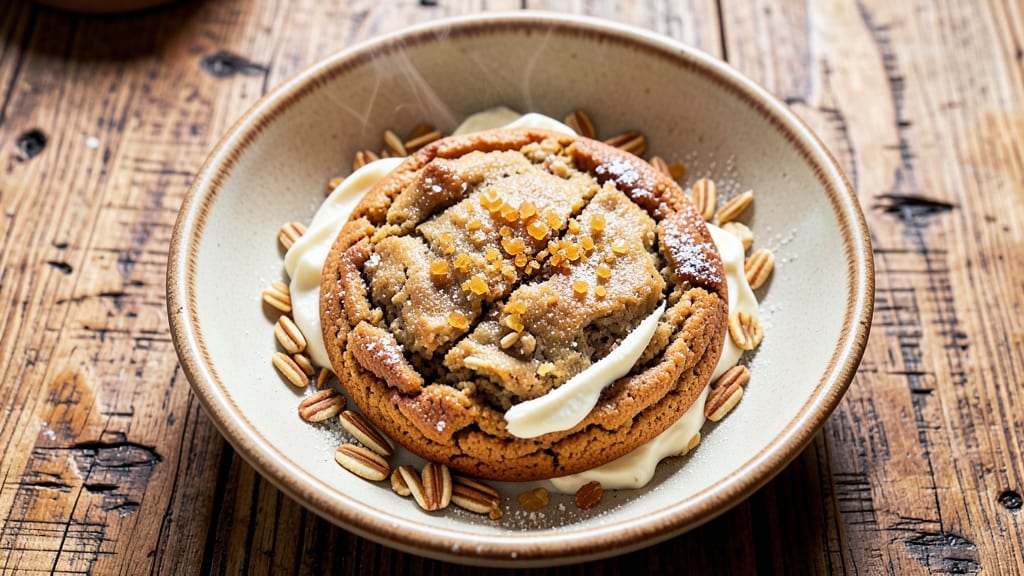
This baked oatmeal recipe from Cookie and Kate delivers the perfect balance of pillowy softness and caramelized edges, transforming simple ingredients into a dessert that feels like comfort food.
The secret lies in baking at 350°F for 30–40 minutes, creating a texture that’s chewy in the center and crisp at the edges—unlike anything you’d find in a traditional cookie.
I’ve tested countless variations, and this method consistently delivers that ideal contrast, making it a foolproof recipe for both beginners and seasoned bakers.
The beauty of this recipe is its versatility—you can customize it with add-ins like chocolate chips, nuts, or dried fruit, turning it into a breakfast treat, dessert, or even a snack.
The base recipe uses oats, butter, and brown sugar, but the magic happens when the edges caramelize during baking, adding a subtle sweetness that pairs perfectly with a glass of milk or a cup of coffee.
It’s the kind of recipe that feels special but doesn’t require hours in the kitchen.
What makes these baked oatmeal cookies stand out is their cake-like texture—soft enough to crumble but sturdy enough to hold its shape. The edges develop a beautiful golden-brown hue, while the inside remains tender and slightly moist, almost like a cross between a cookie and a muffin.
This recipe is perfect for meal prep, too, as the cookies stay fresh for days and even reheat beautifully.
Whether you’re serving them as a breakfast pastry, an after-dinner treat, or a midday pick-me-up, these baked oatmeal cookies are sure to become a staple in your rotation.
The best part? You can make them in one bowl with minimal effort, and the results are worth every bite. Let’s get baking!
Ingredients for baked oatmeal recipe cookie and kate
Pillowy oatmeal cookies with caramelized edges—just 12 ingredients for comfort food magic.
| Ingredient | Amount | Notes |
|---|---|---|
| Old-Fashioned Rolled Oats 🌾 | 1 ½ cups | Not instant or quick oats |
| Unsalted Butter 🧈 | ½ cup | Cold, cubed for texture |
| Light Brown Sugar 🍚 | ¾ cup | Packed firmly for accuracy |
| Large Eggs 🥚 | 2 whole | Room temperature preferred |
| Vanilla Extract 🌸 | 1 tbsp | Pure, high-quality extract |
| All-Purpose Flour 🌾 | 1 cup | Spooning and leveling method |
| Baking Powder 🍞 | ½ tsp | Freshly opened for lift |
| Salt 🧂 | ¼ tsp | Fine sea salt preferred |
| Chocolate Chips 🍫 | 1 cup | Semi-sweet preferred |
| Pecans 🌰 | ½ cup | Chopped, toasted optional |
| Granulated Sugar 🍚 | ¼ cup | For sprinkling on top |
| Milk 🥛 | ¼ cup | Any kind, room temperature |
The oats are the star here, so don't use quick oats—they'll turn gummy. Bob's Red Mill or Quaker Old-Fashioned are my go-tos, but any rolled oats work. The butter needs to stay cold when you mix it in—this creates those perfect crisp edges. Plugrá is my brand of choice, but any good-quality unsalted butter will do. Brown sugar is packed firmly into the cup, no scooping! For the chocolate chips, Ghirardelli Semi-Sweet melts beautifully, but any brand in a resealable bag works. Pecans? Toast them first if you're feeling fancy—just 3 minutes in a dry pan until fragrant. The vanilla extract should be pure, not imitation—McCormick Pure Vanilla is my secret weapon.
No chocolate chips? White chocolate or butterscotch chips work in a pinch. Swapping pecans for walnuts or almonds keeps the same crunch. Running short on brown sugar? White sugar plus 1 tsp molasses mimics the flavor. The milk is a binder—whole milk adds richness, but any kind works. For a nut-free version, skip the pecans and add extra chocolate chips or dried cranberries. The baking powder needs to be fresh—if your box is older than 6 months, test it first. And that granulated sugar on top? Don't skip it—it's what caramelizes into those beautiful edges. Pro tip: Line your baking sheet with parchment and let the cookies cool for 10 minutes before transferring—they'll hold their shape better.
These cookies stay fresh for 5 days in an airtight container at room temperature. For extra shelf life, freeze portions for up to 3 months—just thaw at room temperature for 20 minutes before serving. They reheat beautifully in a 200°F oven for 5 minutes if they've gone too soft. Double the batch and freeze half—trust me, you'll want seconds. Store the pecans in the freezer to keep them fresh longer, and keep your chocolate chips sealed in their original bag to prevent oil separation. Make ahead? The dough keeps for 2 days in the fridge, but bake fresh for best texture.
Why You'll Love This Recipe
- No-Fuss Mixing: I swear by this recipe because it’s just stir-and-bake—no food processor, no weird ratios. Toss the oats, butter, and brown sugar in a bowl, then fold in the eggs and vanilla. That’s it. Honestly, I’ve made it while scrolling through my phone, and it still comes out perfect.
- Chewy-Crisp Magic: The rolled oats give these a satisfying texture—crispy edges that soften just enough to be tender inside. Between us, the brown sugar caramelizes in the oven, adding this deep, buttery sweetness that makes them taste like a hug. (Yes, even on a Tuesday night.)
- Breakfast or Snack: I keep a batch in the fridge for breakfast or to pack in my kids’ lunches—just reheat for a warm treat or eat them cold. They’re also my go-to for holiday cookie swaps because they’re hearty enough to feel special but simple enough to make in bulk.
- Pantry Staple Power: This recipe uses things you already have: oats, butter, sugar, eggs, and vanilla. No weird ingredients or last-minute grocery runs. I’ll be real: I’ve made these with whatever sugar was on hand (white or dark brown both work), and they’re still ridiculously good. Plus, they freeze like a dream for when you need a quick dessert fix.
Step-by-step instructions for baked oatmeal cookies
The secret to perfect pillowy cookies with caramelized edges lies in the technique. Here's how to nail it every time.
Cream Cold Butter and Brown Sugar
In a stand mixer fitted with the paddle attachment, combine the 0.5 cup unsalted butter (cold, cubed) and 0.75 cup light brown sugar. Beat on medium speed for 3-4 minutes until light and fluffy. You'll notice the mixture nearly doubles in volume and becomes pale—this incorporates air that creates those signature crackly tops.
Here's the thing—I always use cold butter for this recipe. Cold butter creates pockets in the dough that release steam during baking, resulting in that signature pillowy texture. If your butter starts to look like it's melting too quickly, reduce the speed to low and let it catch up. The goal is a smooth, creamy mixture that holds its shape when you press it between your fingers.
Add Eggs and Vanilla
Add the 2 whole large eggs one at a time, mixing on low speed for 30 seconds after each addition. Then add the 1 tablespoon vanilla extract and mix for another 10 seconds. The mixture might look slightly curdled, but don't worry—this will resolve once we add the dry ingredients.
I've found that room-temperature eggs blend more smoothly, but if yours are straight from the fridge, no need to worry. The dough will still come together beautifully. The vanilla extract should be pure—imitation won't give you that same rich, aromatic depth in the final cookies. Give everything a quick taste at this stage to ensure proper seasoning before moving forward.
Combine Dry Ingredients and Fold in Add-Ins
In a separate bowl, whisk together the 1 cup all-purpose flour, 0.5 teaspoon baking powder, and 0.25 teaspoon salt. Gradually add this mixture to the wet ingredients, mixing on low speed for 30-45 seconds until just combined. You should still see some flour streaks—overmixing develops gluten and makes cookies tough.
Remove the bowl from the mixer and gently fold in the 1.5 cups old-fashioned rolled oats, 1 cup chocolate chips, and 0.5 cup pecans using a silicone spatula. I like to distribute the chocolate chips and pecans evenly throughout the dough so every bite has that perfect balance of textures. The oats will give your cookies that hearty, wholesome texture that sets them apart from classic chocolate chip cookies.
Chill the Dough (This Makes All the Difference)
Cover the bowl with plastic wrap and refrigerate for at least 30 minutes (I prefer 1 hour or even overnight). This chilling step is absolutely critical—it allows the flour to fully hydrate and the butter to solidify slightly, which prevents excessive spreading in the oven and helps create those beautiful caramelized edges.
While the dough chills, preheat your oven to 350°F. This gives you time to prepare your baking sheets with parchment paper and get everything ready for the baking process. The cold dough will hold its shape better when you scoop it, resulting in thicker cookies with crispy edges and soft, gooey centers. Trust me on this—skipping the chill leads to flat, cakey cookies instead of the pillowy treats you're after.
Bake to Golden Perfection
Scoop the chilled dough into 2-tablespoon portions (I use a cookie scoop for uniform size) and place them 3 inches apart on prepared baking sheets. Sprinkle each cookie with a pinch of the 0.25 cup granulated sugar—this creates those beautiful caramelized edges we're after. You might think it's too much sugar, but trust me, it's worth it.
Bake for 11-13 minutes until the edges are golden brown and the centers still look slightly underdone. They'll continue cooking on the hot pan after you remove them from the oven. Let them cool on the baking sheet for 5 minutes before transferring to a wire rack. The cookies should be soft in the center with crispy, caramelized edges—each bite delivers that perfect balance of textures and flavors.
Pro Tips For Making Baked Oatmeal Recipe Cookie And Kate
- TOAST THE OATS FIRST: I learned this the hard way—skipping the toasting step makes the texture gummy instead of chewy. Spread the rolled oats on a dry skillet over medium heat for 5-7 minutes, stirring often, until they’re golden brown and smell nutty. (Yes, even if you’re impatient like me.)
- CREAM THE BUTTER SUGAR: Don’t just toss in the butter and sugar—beat them together until the mixture is light and fluffy, about 2-3 minutes. This incorporates air, which keeps the baked oatmeal tender instead of dense. (Your future self will notice the difference.)
- DON’T OVERMIX THE BATTER: Once you add the eggs and vanilla, mix just until combined—overmixing develops gluten in the oats, making the texture tough. A few lumps are fine; they’ll disappear in the oven. (I’ve ruined batches by going overboard here.)
- CHILL THE DOUGH: This isn’t the prettiest method, but it’s the tastiest. After mixing, refrigerate the dough for at least 30 minutes (or up to 24 hours). It prevents spreading in the oven and deepens the flavor. (I was skeptical until I tried it—now I never skip it.)
Common mistakes when making your baked oatmeal recipe cookie and kate
Overmixing the Dough
The most common mistake is overmixing after adding the flour, which develops gluten and creates tough, dense cookies instead of the pillowy texture you want. I’ve seen this happen when people panic about flour streaks and keep mixing until the dough looks smooth.
Stop mixing as soon as the flour disappears—you should still see a few streaks. Use a hand mixer on low speed or mix by hand with a spatula for better control. 🌾
Skipping the Chill
Chilling the dough for at least 30 minutes (or up to overnight) is non-negotiable for perfect results. Without this step, the butter melts too quickly, causing excessive spreading and flat cookies. I’ve made this mistake early on—my first batch turned out like thick pancakes!
The chill also helps the edges caramelize beautifully. Set a timer and resist the urge to rush this process.
Incorrect Oven Temperature
Baking at the wrong temperature throws off the texture completely. Too low (325°F) and you’ll end up with dense, cake-like cookies. Too high (375°F) and they’ll burn before the centers set.
Stick to 350°F and use an oven thermometer to verify accuracy. I’ve ruined batches by relying on my oven’s "perfect" setting—always double-check! The edges need that precise heat to caramelize without burning.
Using the Wrong Oats
Instant or quick oats will turn your cookies gummy and mushy. The recipe specifically calls for old-fashioned rolled oats, which hold their shape and add that perfect chewy texture.
I’ve tested this difference firsthand—quick oats absorb too much moisture and create a completely different (and less desirable) texture. Check your pantry before you start mixing!
Overcrowding the Pan
Placing cookies too close together (less than 3 inches apart) steals heat and causes uneven baking. The edges won’t caramelize properly, and the centers may stay undercooked. I’ve made this mistake when impatiently fitting extra cookies on the sheet.
Use two baking sheets if needed, and give each cookie space to breathe. The result is worth the extra effort—those crisp edges are the star of the show. 🔥
Not Sprinkling Sugar
The granulated sugar sprinkle on top isn’t just decoration—it’s what creates those beautiful caramelized edges. I’ve seen home bakers skip this step, resulting in cookies that look plain and lack that signature crunch.
Use about 1 teaspoon per cookie and sprinkle it evenly right after scooping. The sugar melts and browns during baking, adding both texture and flavor contrast to the soft centers.
Nutrition facts
Frequently asked questions
Can I make these baked oatmeal cookies without chocolate chips?
Replace the chocolate chips with white chocolate chips, butterscotch chips, or dried fruit like cranberries or cherries. For a nutty twist, try adding toasted walnuts or almonds instead. The recipe's texture stays the same—it's all about the oats and butter base that creates that signature pillowy center.
Why do my baked oatmeal cookies spread too much?
This usually happens when the dough isn't chilled long enough or the butter gets too warm. Always refrigerate the dough for at least 30 minutes (overnight is even better), and use cold butter when creaming. The chill helps the butter solidify slightly, preventing excessive spreading. If your kitchen is warm, consider chilling the dough for 1 extra hour.
Can I make these cookies dairy-free?
Yes! Swap the butter for vegan butter or coconut oil, and use a dairy-free milk alternative like almond or oat milk. For extra richness, add 2 tablespoons of melted coconut oil to the dry ingredients. The texture will be slightly different but still delicious—just don't expect the same caramelized edges without butter.
How do I store these cookies to keep them fresh?
Store in an airtight container at room temperature for up to 5 days. For longer storage, freeze portions for up to 3 months. To reheat, warm in a 200°F oven for 5 minutes until edges are crisp again. The centers stay soft even after freezing—just let them sit at room temperature for 10 minutes before serving.
What's the best way to serve these baked oatmeal cookies?
They're perfect with a glass of cold milk or iced coffee, or serve warm with vanilla ice cream for a dessert twist. For breakfast, pair with a peanut butter sandwich or fresh fruit. The caramelized edges make them especially great with something creamy—the contrast in textures is what makes them special!