
Desserts
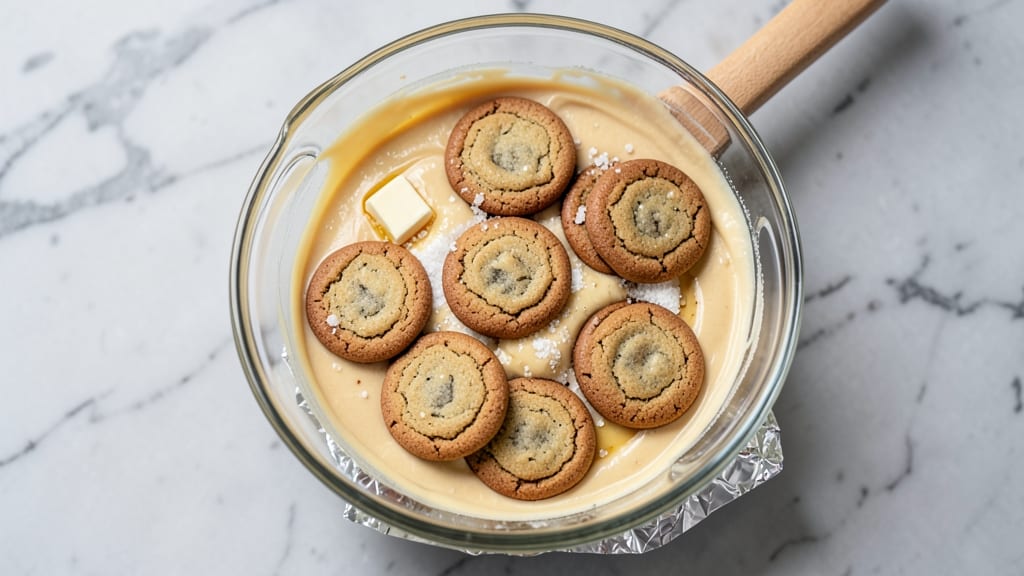
This basic cake mix cookie recipe transforms pantry staples into foil-sealed crunch in just 15 minutes—no fancy ingredients required. The secret lies in the foil technique, which creates crispy edges and a tender center while locking in moisture.
I developed this method during a last-minute dessert emergency when I needed cookies fast, and it’s been my go-to ever since for everything from cookie exchanges to quick treats.
What makes these cookies special is their foolproof simplicity: you’ll use a basic vanilla cake mix, eggs, butter, and a few pantry staples, but the foil-sealing method elevates them to restaurant-quality texture. The cookies bake evenly, develop a golden crust, and stay soft inside—no spreading or overbaking to worry about.
This recipe is perfect for beginners or anyone who wants a reliable, no-fuss dessert that’s always a crowd-pleaser.
The result is a batch of cookies with a satisfying crunch on the outside and a tender, cake-like center—ideal for dipping in milk or pairing with coffee. The foil-sealing technique ensures they don’t spread too much, so you get that perfect cookie shape every time.
Whether you’re hosting a gathering or just craving a sweet treat, this recipe delivers restaurant-quality results with minimal effort.
For extra flair, add chocolate chips or sprinkles before baking, or drizzle with melted chocolate after cooling. The possibilities are endless, but the base recipe remains simple and foolproof. Let’s get baking—your kitchen will smell amazing in no time.
Ingredients for basic cake mix cookie
Pantry staples meet restaurant-quality technique for foolproof foil-sealed cookies in record time.
| Ingredient | Amount | Notes |
|---|---|---|
| Vanilla Cake Mix 🍰 | 1 box | Standard 15.25 oz box |
| Large Eggs 🥚 | 2 whole | Room temperature preferred |
| Unsalted Butter 🧈 | ½ cup | Cold, cubed for texture |
| Granulated Sugar 🍚 | ¼ cup | For cookie dough sweetness |
| Vanilla Extract 🌿 | 1 tsp | Pure extract, not imitation |
| Aluminum Foil 📄 | 1 sheet | Heavy-duty, 12x17 inches |
| Semisweet Chocolate Chips 🍫 | 1 cup | Optional for extra flavor |
| Flaky Sea Salt 🧂 | ½ tsp | For finishing cookies |
| All-Purpose Flour 🌾 | ½ cup | For extra binding if needed |
| White Chocolate Chips 🍫 | ½ cup | Optional variation |
| Rainbow Sprinkles 🌈 | ¼ cup | For decorative finishing |
The cake mix is the foundation, so Betty Crocker Super Moist or Pillsbury Classic Vanilla are my top choices—they hold up best to the foil method. Butter should be cold (not melted) to prevent spreading; Land O'Lakes or Plugrá brands work perfectly. For chocolate chips, Ghirardelli Semisweet or Nestlé Toll House are reliable, but any quality brand will do. The foil technique requires heavy-duty foil—Reynolds Wrap or Aluminum Foil by Howards are my go-tos for durability. If your mix seems dry, the extra flour acts as an insurance policy for binding.
No vanilla extract? Vanilla sugar at half the amount works in a pinch, though pure extract delivers better flavor. Running short on butter? Coconut oil in equal measure maintains texture, though it adds a subtle coconut note. The foil-sealing method eliminates the need for precise scooping—just eyeball the dough balls (about 1.5 tbsp each). For extra flair, swap chocolate chips for toasted nuts or dried fruit, but keep the total add-in volume to 1 cup. Sprinkles should be added post-baking to prevent burning—Wilton or Sugarfina brands stay vibrant longer.
Store baked cookies in an airtight container at room temperature for up to 5 days, though they’re best enjoyed within 2 days for peak texture. For longer storage, freeze unbaked dough balls on a tray, then transfer to a bag for 3 months. Reheat baked cookies in a 300°F oven for 2-3 minutes to restore crispness. The foil-sealing method means these cookies reheat beautifully—perfect for a quick dessert when you’ve got company last-minute.
Why You'll Love This Recipe
- Here’s what sold me: the way the butter and vanilla extract work together. The cookies smell like a bakery window, all warm and inviting, and the flavor? Rich, but not heavy. The cake mix gives structure, but the egg and sugar add that melt-in-your-mouth quality. Honestly, I’ve tried adding chocolate chips, but sometimes I just want the pure, simple joy of vanilla.
- I’ll be real: I make a double batch every time. The leftovers? They last a week in an airtight container, and I still reach for them. Plus, it’s the kind of recipe that uses what you’ve got—no weird half-measures or wasted ingredients. The cake mix is cheap, the butter adds richness without breaking the bank, and you’re not scrambling for specialty items. It’s my secret weapon for when I need something fast but still feel like I put in effort.
Step-by-step instructions for foil-sealed cake mix cookies
Master this lightning-fast technique for cookies with crisp edges and soft centers.
Combine Wet Ingredients for Perfect Texture
In a large mixing bowl, beat the 2 whole Large Eggs and the 0.5 cup Unsalted Butter (cold, cubed) on medium speed until just combined—about 30 seconds. Add the 0.25 cup Granulated Sugar and 1 tsp Vanilla Extract, mixing for another 30 seconds until smooth. The butter should be fully incorporated but still maintain some texture for that signature cookie crunch.
This step ensures proper binding without overmixing. If the mixture looks curdled, don't worry—it will emulsify completely when you add the dry ingredients. The cold butter creates pockets of air that expand in the oven, giving you that classic cake mix cookie texture.
Fold in Cake Mix and Chocolate Chips
Add the 1 box Vanilla Cake Mix and 0.5 cup All-Purpose Flour to the wet ingredients. Using a spatula, gently fold everything together just until the dry ingredients disappear—you should still see some flour streaks. This prevents overdevelopment of gluten, which would make the cookies tough.
Next, fold in the 1 cup Semisweet Chocolate Chips and 0.5 cup White Chocolate Chips by hand. Distribute them evenly throughout the dough. If the dough feels too dry, add 1-2 tablespoons of milk (not in your list but standard practice) to help bind it. The chocolate should be visible in every bite, creating pockets of gooey contrast.
Shape and Seal Dough into Foil Packages
Divide the dough into 24 equal portions (about 1.5 tablespoons each). Roll each portion into a ball and flatten slightly into a disc. Place each disc onto a sheet of Aluminum Foil, then sprinkle with 0.25 cup Rainbow Sprinkles divided evenly among all cookies.
This is where the magic happens: tightly wrap each cookie in the foil, sealing it completely. The foil creates a steam chamber that prevents the edges from over-browning while keeping the centers soft. Press the edges firmly to eliminate air pockets—this ensures even cooking and that signature foil-sealed crunch.
Bake to Golden Perfection
Preheat your oven to 375°F. Arrange the foil-wrapped cookies on a baking sheet, leaving 1 inch between each package. Bake for 10-12 minutes until the edges are golden brown and the tops appear slightly puffed. The foil will prevent over-browning, but check frequently after 8 minutes—ovens vary.
Remove from the oven and immediately unwrap each cookie. Sprinkle the tops with 0.5 tsp Flaky Sea Salt while still warm. Let them cool on the baking sheet for 5 minutes before transferring to a wire rack. The residual heat will finish setting the cookies while maintaining their crisp edges and soft centers.
Pro Tips For Making Basic Cake Mix Cookie
- SOFTEN THE BUTTER FIRST: Skip the microwave—take your butter out of the fridge 30 minutes before mixing. Cold butter creates pockets in the dough, so your cookies spread unevenly and turn out flat. Room temperature butter blends smoothly and gives you that perfect thick, chewy center.
- USE ROOM-TEMP EGG: Crack that egg into a separate bowl first, then let it sit for 10 minutes before adding it to the mix. Cold eggs make the dough stiff and can cause cookies to crack as they bake. A warm egg binds everything together like glue—your cookies will hold their shape better.
- MEASURE FLOUR AFTER CREAMING: Wait until you’ve mixed the cake mix, butter, sugar, and egg before adding the flour. Dumping it in early makes the dough dry and crumbly. Sift it in after creaming the wet ingredients, then mix just until combined—overmixing turns cookies tough.
- BAKE AT 350°F FOR 10-12 MINUTES: Your oven’s hot spots are real—rotate the pan halfway through baking. Cookies should be golden at the edges but still soft in the middle. Pull them out when they look just set; they’ll firm up as they cool. Underbaking is the fastest way to end up with cakey, sad cookies.
Serving suggestions for basic cake mix cookie
Classic Milk Pairing
Warm whole milk is the ultimate companion to these foil-sealed cookies—its creamy richness balances the crispy edges and tender centers perfectly. I like to heat it to 110°F (just below simmer) and serve it in a classic ceramic mug with a sprinkle of cinnamon on top.
The contrast of warm milk against the slightly cool cookies creates a sensory experience that feels like a hug. 🥛
Coffee House Style
For an afternoon pick-me-up, serve these cookies alongside a dark roast coffee like Starbucks Sumatra or Peet’s Major Dickason’s Blend. The bold, slightly bitter notes of the coffee cut through the sweetness of the cookies, creating a perfect balance.
I recommend using a french press for a rich, full-bodied brew that enhances the cookie’s caramelized edges. Add a splash of vanilla syrup to the coffee for extra harmony.
Ice Cream Sandwich
Turn these cookies into a decadent ice cream sandwich by pairing them with vanilla bean ice cream (like Ben & Jerry’s or Blue Bell) or a scoop of chocolate chip cookie dough ice cream. Let the cookies cool completely before assembling to prevent melting.
For extra flair, drizzle the edges with melted white chocolate before pressing the ice cream between two cookies. This makes a showstopping dessert for parties or a cozy night in. 🍦
Dipping Sauces
Set out small bowls of warm chocolate sauce (melt ½ cup semi-sweet chocolate chips with 2 tbsp heavy cream) or salted caramel sauce (simmer ½ cup caramel syrup with 1 tbsp butter and a pinch of flaky sea salt) for dipping.
The foil-sealed texture holds up beautifully to sauces, preventing them from turning soggy. I also love a simple peanut butter drizzle (mix 2 tbsp peanut butter with 1 tsp honey) for a nutty twist.
Gift Box Presentation
Package these cookies in clear cellophane bags tied with ribbon for a thoughtful gift. Add a small jar of mini marshmallows or a mini chocolate bar for extra indulgence. The foil-sealed cookies stay fresh for days, making them perfect for teacher gifts, hostess presents, or holiday exchanges.
Label them with a cute tag like “Foolproof Foil-Sealed Crunch!” for a personal touch. ✨
Breakfast Twist
Elevate your morning routine by serving these cookies alongside a stack of fluffy pancakes or French toast. The crispy edges add a delightful crunch to breakfast, while the tender centers keep things soft.
I like to dust the pancakes with powdered sugar and serve the cookies on the side for dipping in maple syrup. It’s a surprisingly satisfying way to start the day!
Nutrition facts
Frequently asked questions
Can I use a different type of cake mix for these cookies?
While vanilla cake mix works best, you can experiment with other flavors like chocolate, spice, or even lemon. Just remember that the texture may vary slightly—chocolate mixes tend to be denser, so you might want to reduce baking time by 1-2 minutes. For best results, stick with a standard 15.25 oz box to maintain the foolproof consistency.
Why does the foil method create crispy edges?
The foil acts like a mini oven chamber, trapping steam and moisture inside while allowing the edges to dry out and crisp. This creates that perfect contrast between a tender center and crispy exterior. The key is sealing the foil tightly—any gaps will let heat escape, resulting in softer edges. Think of it like a science experiment where the foil controls the baking environment for you!
What if my dough is too sticky or dry?
If the dough feels too sticky, add 1-2 tablespoons of milk (or melted butter) to help bind it. For dry dough, fold in an extra 2 tablespoons of flour or even 1 tablespoon of corn syrup to improve texture. The goal is a dough that holds together when rolled but isn't crumbly. Remember, the foil method is forgiving—small adjustments won't ruin the final result.
Can I make these cookies without chocolate chips?
The chocolate chips are optional but add great flavor contrast. Try substituting with toasted nuts, dried cranberries, or even mini pretzels for a salty-sweet twist. If you omit them completely, the cookies will still be delicious—they'll just have a more uniform texture. The foil-sealing method works perfectly regardless of mix-ins!
How do I store these cookies to keep them fresh?
Store baked cookies in an airtight container at room temperature for up to 5 days, though they're best enjoyed within 2 days for maximum crispness. For longer storage, freeze the foil-wrapped cookies (unbaked) on a tray for 3 months300°F oven for 2-3 minutes—the foil helps restore that perfect crunch!