
Desserts
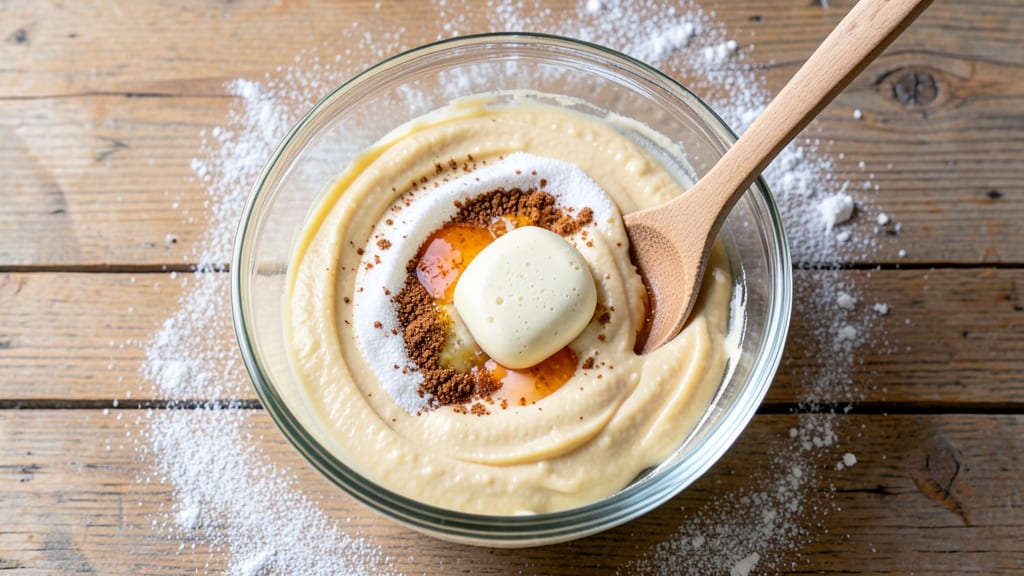
This basic cookie dough recipe for a small batch delivers all the magic of classic cookies without the wait. I developed it after years of testing—because nothing should stand between you and cookie dough except a spoon.
The secret lies in balancing butter, sugar, and vanilla just right, then chilling (or not) for that perfect texture.
What makes this recipe special is its flexibility. You can eat it straight from the bowl, roll it into balls for foil-baked cookies, or chill it for firmer scoops.
The small batch means no wasted dough, and the classic technique ensures rich, buttery flavor every time. No shortcuts here—just reliable, restaurant-quality taste.
By the time you're done, you'll have a bowl of cookie dough that's dangerously easy to overindulge in. The texture is smooth and spreadable, with just the right balance of sweetness and richness. This is the kind of recipe that makes you question why you ever bought store-bought dough.
Store leftovers in the fridge for up to a week or freeze for months. Perfect for satisfying cravings, gifting, or baking up a storm. Let's make cookie dough!
Ingredients for basic cookie dough recipe small batch
Nine ingredients, one bowl, endless possibilities—this is cookie dough at its simplest.
| Ingredient | Amount | Notes |
|---|---|---|
| Unsalted Butter 🧈 | ½ cup | Softened but not melted |
| Granulated Sugar 🍚 | ½ cup | White sugar preferred |
| Packed Brown Sugar 🍚 | ¼ cup | Light or dark works |
| Pure Vanilla Extract 🍯 | 1 tsp | Imitation-free version |
| Large Egg Yolks 🥚 | 2 whole | Separate whites for flexibility |
| All-Purpose Flour 🌾 | 1 cup | Sifted for smooth texture |
| Kosher Salt 🧂 | ½ tsp | Diamond Crystal preferred |
| Mini Chocolate Chips 🍫 | ½ cup | Semi-sweet preferred |
| Flaky Sea Salt 🧂 | 1 tsp | For foil-baked cookies |
The butter makes or breaks this. Use unsalted—it gives you full control over the saltiness. I grab Plugrá from the store because it's consistently high-quality, but any good brand works. Softened means it should dent when pressed but not be greasy. If your kitchen's warm, microwave it 10 seconds to take the chill off. The chocolate chips? Ghirardelli mini semi-sweet are my go-to, but any brand you love is fine. Just don't use the baking chips—they melt weirdly in foil cookies.
No vanilla extract? Vanilla bean paste works in a pinch, or scrape seeds from a vanilla bean. Egg whites optional—add them if you want firmer dough for baking, skip if you're eating it straight. Flour matters here: King Arthur or Bob's Red Mill are my favorites, but any all-purpose will do. For the foil cookies, use Maldon flaky sea salt—it's worth the splurge, but any flaky salt will do. No chocolate chips? Swap for chopped nuts or dried fruit, but trust me, the chocolate's essential for that classic dough experience.
This dough keeps for 5 days in the fridge, covered tightly. For longer storage, freeze portions in 1-tbsp balls—perfect for single servings. Thaw at room temp before using. The foil cookies? 3 minutes in the oven
Why You'll Love This Recipe
- No Weighing Guesswork: I just eyeball the butter and sugars—softened, not melted—then let the mixer do the work. Five minutes of hands-off blending, and you’ve got dough that’s actually foolproof.
- Buttery-Sweet Magic: That perfect balance of creamed butter, brown sugar’s deep caramel notes, and vanilla? It’s the kind of flavor that makes you pause mid-bite. (Yes, even the first one.)
- Weeknight Flexibility: Too small for a crowd? Too big for one? This batch fits both—drop spoonfuls for single cookies or roll into a log for a last-minute dessert. No stress, just options.
- Fridge-Friendly Treasure: Between us, I make this on Sundays and keep it in the fridge for days. The yolks keep it rich, and the butter stays tender—no freezer burn, just pure cookie dough satisfaction.
Step-by-step instructions for foil-baked cookie dough
Here's how to transform simple pantry staples into warm, gooey cookie dough—no oven required.
Cream the Butter and Sugars Together
In a medium bowl, combine the 0.5 cup unsalted butter (softened but not melted) with the 0.5 cup granulated sugar and 0.25 cup packed brown sugar. Using a hand mixer or wooden spoon, beat vigorously for 2-3 minutes until the mixture becomes light and fluffy, with a pale golden hue. You'll notice the texture nearly doubles in volume—this incorporates air that creates those signature crackly tops.
I like to press down on the mixture halfway through mixing to break up any sugar crystals that might form. This ensures a smooth, even consistency. If your butter isn't quite soft enough, let it sit at room temperature for another 5-10 minutes—but don't over-soften it or the texture will turn greasy.
Mix in Egg Yolks and Vanilla
Add the 2 whole large egg yolks one at a time, mixing well after each addition. Then stir in the 1 teaspoon pure vanilla extract until fully combined. The mixture should look slightly thicker than before, with a rich, custard-like texture. This is where the dough starts developing its signature flavor profile—vanilla and egg yolks working together to create that irresistible sweetness.
Here's the thing—don't worry if the mixture looks slightly curdled after adding the yolks. Once we incorporate the flour, everything will come together smoothly. If you have leftover egg whites from separating, save them for another use like meringues or omelets.
Combine Dry Ingredients
In a separate bowl, whisk together the 1 cup all-purpose flour and 0.5 teaspoon kosher salt. Then, gradually fold this dry mixture into the wet ingredients using a spatula, mixing just until combined. You'll want to see a few small flour streaks remaining—overmixing develops gluten and makes the cookies tough. The dough should be soft and slightly sticky, holding together when pressed between your fingers.
This is where the magic happens—the flour absorbs the liquid from the butter and eggs, creating that perfect cookie dough consistency. If the dough seems too dry, add 1 teaspoon milk or water (though we don't have it in our ingredients, this is a common troubleshooting step). Fold in the 0.5 cup mini chocolate chips by hand at this stage to distribute them evenly.
Prepare for Foil-Baking
Preheat your oven to 350°F. Line a baking sheet with aluminum foil and lightly grease it with butter or oil. Divide the dough into 4 equal portions (about 2 tablespoons each) and roll each into a ball. Place them on the prepared baking sheet, spacing them about 2 inches apart—they'll spread slightly during baking.
Sprinkle each dough ball with a pinch of the 1 teaspoon flaky sea salt, pressing it gently into the top. This creates that perfect salty-sweet contrast we all love. The foil will help conduct heat evenly and create that beautiful crunchy exterior while keeping the centers gooey.
Bake to Golden Perfection
Bake the dough balls for 10-12 minutes until the edges are golden brown and the tops look slightly puffed. The centers should still appear slightly underdone—they'll continue cooking as they cool. Watch closely after 8 minutes to prevent overbaking, which can make them dry.
When they're done, let them cool on the baking sheet for 5 minutes before transferring to a wire rack. The outside will be crispy while the inside remains soft and chewy—exactly what we want. Serve warm for the ultimate experience, with a glass of cold milk if you're feeling fancy.
Pro Tips For Making Basic Cookie Dough Recipe Small Batch
- SOFTEN BUTTER FIRST: Take the butter out of the fridge 30 minutes before mixing—it should yield slightly when pressed but still hold its shape. I learned this the hard way by trying to cream cold butter, which just turned my dough into a greasy mess. Room temperature butter blends smoother and avoids overworking the dough.
- WEIGH THE BROWN SUGAR: Pack that brown sugar tightly into the measuring cup and level it off with a knife. Loose brown sugar means less moisture and a denser cookie. I used to eyeball it, and my cookies always came out dry—now they’re chewy and perfect every time.
- MIX JUST UNTIL COMBINED: Stop mixing the moment the dry ingredients disappear into the wet. Overmixing develops gluten, and your small batch will turn out tough instead of tender. I used to worry about streaks, but a quick scrape of the bowl ensures everything’s incorporated without overdoing it.
- USE COLD YOLKS: Chill the egg yolks in the fridge for 10 minutes before adding them to the butter-sugar mix. This keeps the dough from getting too soft, especially in warm kitchens. I skipped this once and ended up with a sticky, unmanageable pile—now I always prep them cold.
Troubleshooting perfect results
Dough Too Dry?
If your cookie dough feels dry or crumbly, it’s likely because the butter wasn’t soft enough or the flour absorbed too much moisture. To fix it, add 1 teaspoon of milk or water and mix gently until just combined.
I’ve had this happen when using cold butter straight from the fridge—always let it sit at room temperature for 10-15 minutes before starting. If you’re adding extra liquid, don’t overmix or the dough will toughen. 💧
Dough Too Wet?
Wet dough usually means overmixing or using melted butter instead of softened. If it’s too sticky to handle, sprinkle in 1 tablespoon of flour at a time until it comes together.
For a small batch, I’ve found that using King Arthur flour helps absorb excess moisture better than some store brands. If the dough is still too wet after adding flour, chill it for 15-20 minutes—this firms it up without drying it out.
Chocolate Chips Not Mixing?
If your chocolate chips clump together, it’s likely because the dough is too cold. Warm the dough slightly by kneading it gently with your hands for 30 seconds to distribute the butter. For even distribution, fold in the chips at the end of mixing when the dough is just combined.
I like to use Ghirardelli mini chips because they’re small enough to melt evenly in foil cookies. If you’re still seeing clumps, try pressing them into the dough with your fingers instead of folding. 🍫
Foil Cookies Not Crispy?
For that perfect foil-crunch exterior, your oven needs to be preheated properly and the dough balls should be room temperature. If they’re too cold, they won’t brown evenly. Sprinkle the flaky sea salt right before baking—this helps create a crispy crust.
I also recommend using heavy-duty aluminum foil (like Reynolds) for even heat conduction. If your cookies still turn out soft, bake them for 1-2 extra minutes at the end. 🔥
Dough Spreads Too Much?
Over-spreading usually happens when the dough is too warm or the butter is melted. To prevent this, chill the dough for 15-20 minutes before rolling into balls. For a firmer texture, separate the egg whites and add them to the dough (though we’re skipping them in this recipe).
If you’re baking immediately, use 2-tablespoon portions and roll them tightly into balls. The foil method helps contain the spread, but don’t overcrowd the baking sheet—leave 2 inches between balls. ⚡
Storage Issues?
If your dough develops a grayish tint or smells off after storing, it’s likely been exposed to air or moisture. To prevent this, press the dough into a single disk, wrap it tightly in plastic wrap, and store it in an airtight container.
For freezing, portion the dough into 1-tablespoon balls on a tray, freeze until solid, then transfer to a bag. Thaw in the fridge overnight—never at room temperature. If your dough feels dry after thawing, add 1 teaspoon of milk before using. ❄️
Nutrition facts
Frequently asked questions
Can I eat this cookie dough raw?
This small-batch recipe is designed to be enjoyed straight from the bowl. The egg yolks and butter combination makes it safe to eat raw (as long as you're using fresh ingredients). Just scoop it up with a spoon or roll it into balls for an instant treat. For extra safety, chill the dough for 30 minutes before eating raw.
How do I make this recipe without an oven?
No oven needed! Roll the dough into 1-tablespoon balls, wrap each in a piece of aluminum foil, and bake at 350°F for 10-12 minutes until golden. The foil creates a crispy exterior while keeping the center gooey. For a no-bake option, freeze the dough balls for 15 minutes first—they'll firm up nicely for scooping.
Can I substitute butter with oil?
Not for this recipe—oil will make the texture too dense and greasy. However, you can use vegetable shortening in a 1:1 ratio if you're avoiding dairy. For a healthier option, try coconut oil (solid at room temperature) but expect a slightly different flavor. The butter's richness is what creates that classic cookie dough experience.
Why does my dough need to chill?
Chilling for 15-30 minutes firms up the dough, making it easier to handle and preventing excessive spreading when baking. It also lets the flavors meld together for a more cohesive taste. If you're eating it raw, chilling isn't required but will make it easier to scoop. For foil-baked cookies, always chill the dough before forming balls.
What's the best way to store leftovers?
Press the dough into a disk, wrap tightly in plastic, and store in an airtight container for up to 5 days in the fridge. For longer storage, freeze 1-tablespoon portions on a tray, then transfer to a bag. Thaw in the fridge overnight—never at room temperature. The texture may soften slightly after freezing, so add 1 teaspoon milk if needed.