
Desserts
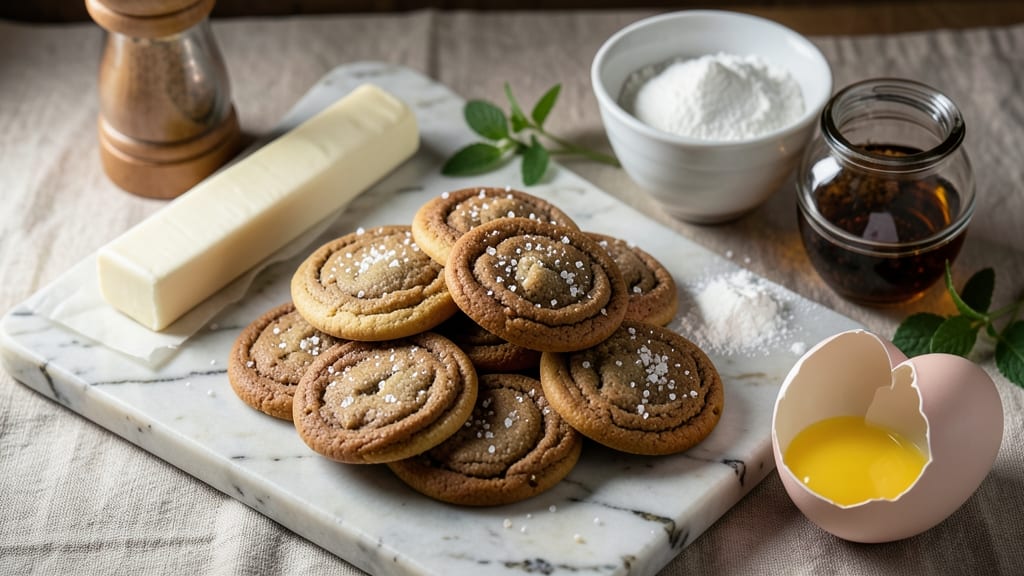
This basic cookie recipe that you can add to is your blank canvas for endless flavor experiments—because sometimes the magic happens after the base is perfect. 💛 I've baked hundreds of cookies, and the secret to foolproof success lies in simple ratios and proper technique, not complicated ingredients.
The dough comes together in minutes, chills for easier handling, and bakes up with that perfect balance of crispy edges and tender centers.
What makes this recipe special is its versatility—start with classic chocolate chips, then swap in nuts, dried fruit, or even savory add-ins like bacon or scallions. The base uses just five core ingredients (plus your choice of mix-ins), and the chilling step is non-negotiable—it prevents spreading and develops flavor.
I promise you won't find a simpler, more adaptable cookie recipe that still delivers restaurant-quality results.
By the time you pull those golden cookies from the oven, you'll have a batch that's crisp around the edges with soft, chewy centers—exactly what you want in every bite.
The dough's forgiving nature means you can customize it with whatever you have on hand, whether that's store-bought chips, homemade jam swirls, or even a sprinkle of sea salt for contrast. This is the kind of recipe that turns a simple afternoon into a creative baking adventure.
Pro tip: Double the dough and freeze half for later—because once you master this base, you'll want to experiment with flavors all year round. Let's get baking!
Ingredients for basic cookie recipe that you can add to
Five core ingredients plus your favorite add-ins—this canvas is ready for creativity.
| Ingredient | Amount | Notes |
|---|---|---|
| All-Purpose Flour 🌾 | 2 ½ cups | Sifted for light texture |
| Unsalted Butter 🧈 | 1 cup | Cold, cubed for easier mixing |
| Granulated Sugar 🍚 | ¾ cup | White or light brown |
| Packed Brown Sugar 🍚 | ¾ cup | For chewy centers |
| Large Eggs 🥚 | 2 whole | Room temperature preferred |
| Vanilla Extract 🌿 | 2 tsp | Pure extract, not imitation |
| Salt 🧂 | 1 tsp | Diamond Crystal preferred |
| Baking Soda 🧪 | 1 tsp | For proper rise |
| Mix-Ins (optional) 🍫 | 1 cup | Chocolate chips, nuts, or dried fruit |
The butter should be cold (not melted) for that perfect crispy-chewy texture. Store-brand butter works fine, but if you want to splurge, Plugrá or Land O'Lakes give great results. Flour matters here too—King Arthur or Bob's Red Mill are my go-tos, but any all-purpose will do. Sift that flour before measuring to avoid dense cookies. And don't skip the chilling step—it's non-negotiable for preventing spreading. I always double the dough and freeze half for later baking sessions.
No vanilla extract? Almond extract at half the amount works in a pinch. Short on brown sugar? White sugar plus 1 tsp molasses mimics the flavor. Mix-ins are totally up to you—store-bought chocolate chips are convenient, but homemade jam swirls or even crushed pretzels add fun twists. The baking soda is crucial for lift, so don't swap it for baking powder. And if you're feeling fancy, add a pinch of sea salt to the mix-ins for that gourmet touch.
Dough keeps for 3 days in the fridge wrapped tightly. For longer storage, freeze portions for up to 6 months—just thaw before baking. Scoop dough with an ice cream scoop for uniform cookies. Bake at 350°F for 10-12 minutes until edges are golden. Let them cool on the pan for 5 minutes before transferring—they'll look underdone at first, but set as they cool.
Why You'll Love This Recipe
- No-Fuss Foundation: This is the cookie equivalent of a blank canvas—just five ingredients, no fancy techniques. Cream butter and sugars until light, toss in eggs and flour, and you’re done. I’ve made it while chatting on the phone, with one hand tied behind my back.
- Sweet Flexibility: Brown sugar’s caramel notes and white sugar’s crispness play perfectly together. Here’s what sold me—the dough stays soft enough to mix in chocolate chips, nuts, or even a splash of vanilla after baking. (Yes, even on a Tuesday night.)
- Endless Add-Ons: Need a last-minute party treat? Dump in pretzels for salty-sweet, oats for chew, or citrus zest for brightness. My kids pick the mix-ins, but honestly? The base is so solid, it’s hard to mess up.
- Budget-Proof Staple: Butter and sugar stretch far—this recipe makes 24 cookies for under $3. The leftovers? Freeze half the dough for when you’re too tired to bake. (I’ve fed a crowd and my own forgetful self with these.)
Step-by-step instructions for customizable cookie base
This foolproof method builds a perfect foundation you can adapt with any mix-ins or flavors.
👨🍳 Step 1: Cream Butter and Sugars Together
In a stand mixer fitted with the paddle attachment, combine the 1 cup unsalted butter (cold and cubed) with the 0.75 cup granulated sugar and 0.75 cup packed brown sugar. Beat on medium speed for 3-4 minutes until light and fluffy—the mixture should nearly triple in volume and turn pale.
This creaming process incorporates air, creating those signature crackly tops. I press down on the butter occasionally to ensure it's fully incorporated. If your butter isn't cold enough, the dough will spread too much in the oven—trust me, you'll notice the difference.
👨🍳 Step 2: Add Eggs and Vanilla
Add the 2 whole large eggs one at a time, mixing on low speed for 30 seconds after each addition until fully combined. Then add the 2 teaspoons vanilla extract and mix for another 10 seconds until just incorporated.
The mixture might look slightly curdled after adding eggs, but don't worry—it will come together when you add the dry ingredients. I like to use room temperature eggs here because they blend more smoothly and create a lighter texture. If your eggs are straight from the fridge, let them sit in warm water for 5 minutes first.
👨🍳 Step 3: Combine Dry Ingredients
In a separate bowl, whisk together the 2.5 cups all-purpose flour, 1 teaspoon salt, and 1 teaspoon baking soda. With the mixer on low speed, gradually add the dry ingredients to the wet mixture, mixing just until combined—you should still see some flour streaks. Over-mixing develops gluten and makes cookies tough.
Here's a pro tip: I sift the flour first to prevent lumps and ensure even distribution. If you don't have a sifter, just whisk the flour vigorously in the bowl before adding it to the mixer. The baking soda is crucial for proper rise, so don't skip it—even though it's just 1 teaspoon, it makes a big difference.
🥘 Step 4: Fold in Mix-Ins
Remove the mixer bowl and stir in the 1 cup mix-ins (chocolate chips, nuts, or dried fruit) using a silicone spatula. Fold gently just until evenly distributed—you want them scattered throughout, not clumped together. This is where you can get creative with your flavor variations!
I like to keep some mix-ins on the side for the tops of the cookies. After scooping, I press a few extra chocolate chips into the center of each mound before baking. This gives you that perfect mix of gooey centers and crunchy bits in every bite.
⏰ Step 5: Chill and Prepare for Baking
Cover the dough bowl with plastic wrap and refrigerate for at least 30 minutes (I prefer 1 hour or even overnight). Chilling firms up the butter, which prevents excessive spreading in the oven. It also allows the flour to fully hydrate, creating better texture.
While the dough chills, preheat your oven to 350°F and line two baking sheets with parchment paper. The cold dough will be easier to handle when you're ready to scoop. This is also a great time to set up your mix-ins and measuring tools—everything should be ready before you start baking.
Pro Tips For Making Basic Cookie Recipe That You Can Add To
- Cream Butter Cold: Take the butter straight from the fridge—no softening needed. I used to let it sit out, and the cookies always spread too much. Cold butter = thicker cookies with better texture, and you’ll save time waiting for it to warm up.
- Measure Brown Sugar Right: Pack that brown sugar firmly into the cup—no fluffing, no tapping. I learned this after making a batch that was cloyingly sweet and dense. Use a spoon to press it down, then level it off. (Yes, even if you’re impatient like me.)
- Chill the Dough: Give the dough a solid 30 minutes in the fridge before baking—no exceptions. I skipped this once and ended up with flat, sad cookies. The chill firms up the butter, prevents over-spreading, and lets flavors meld. (Your future self will thank you.)
- Rotate the Pan: Swap the baking sheets halfway through—front to back, not just top to bottom. I used to forget, and the cookies on the edges would dry out while the middle stayed doughy. Even heat = even baking. (And yes, set your oven timer to remind you.)
Storing and reheating this basic cookie recipe that you can add to
Fridge Storage Tips
Wrap your freshly baked cookies tightly in plastic wrap or place them in an airtight container to preserve their texture and flavor for up to 5 days. I always let them cool completely first—this prevents condensation from making them soggy.
Store them at room temperature if you plan to eat them within 2 days, but refrigeration extends freshness for those busy weeks when you bake ahead. 💛
Freezer-Friendly Dough
Double the dough and freeze half for later baking—this is my favorite time-saver! Portion the dough into 1-pound balls, wrap each tightly in plastic wrap, then place in a freezer bag.
Thaw in the fridge overnight before baking. The chilling step becomes part of the process, so you can bake straight from frozen. Just add 1-2 extra minutes to the baking time. ❄️
Reviving Stale Cookies
If your cookies lose their crispness, don't toss them! Place them on a baking sheet and bake at 325°F for 3-5 minutes until warmed through. For extra crunch, sprinkle with a tiny bit of water before reheating.
I also love warming cookies in the microwave for 10-15 seconds—just cover them with a damp paper towel to keep them from drying out further. 🔥
Baking from Frozen
Yes, you can bake cookies straight from the freezer! Scoop dough balls directly onto your baking sheet and bake at 350°F for 12-14 minutes (2-3 minutes longer than fresh dough).
The cold butter takes longer to melt, so keep an eye on them. I find frozen dough spreads slightly less, giving you that perfect thick cookie shape. 🍪
Portion Control
Use a cookie scoop (I love the OXO Good Grips brand) for uniform cookies, but if you're in a pinch, a tablespoon or ice cream scoop works too. Scoop dough balls slightly larger than you think you need—they'll shrink as they bake.
For extra-thick cookies, flatten them slightly with your palm before baking. This ensures that even when you add mix-ins, the cookies maintain their shape. 💡
Reheating for Maximum Flavor
For the best texture, reheat cookies in a 350°F oven for 2-3 minutes—this reactivates the butter and restores that fresh-baked aroma. If you're in a hurry, a toaster oven works perfectly.
Avoid the microwave unless absolutely necessary, as it can make cookies rubbery. I often reheat a batch just before serving with ice cream for that warm, gooey contrast. 🍦
Nutrition facts
Frequently asked questions
Can I make this cookie dough without a mixer?
Use a sturdy wooden spoon or silicone spatula to cream the butter and sugars together in a large bowl. Work in 2-minute intervals, scraping the sides and bottom of the bowl with a rubber spatula. For the eggs, mix them in one at a time by hand until fully incorporated. The dough will be slightly less fluffy, but the texture will still be perfect. This method works especially well for small batches or when you're short on time.
What are the best mix-ins for this base recipe?
Classic chocolate chips are a must, but get creative! Try white chocolate and cranberries, pecans and bourbon caramel, or even pretzel pieces with cinnamon sugar for a sweet-savory twist. For a healthier option, use dark chocolate chunks and walnuts. Pro tip: Toast nuts for 5 minutes at 350°F before adding to enhance their flavor.
Why do my cookies spread too much?
Over-creaming the butter or using warm butter are the most common culprits. Always use cold, cubed butter and cream it for just 3-4 minutes until light and fluffy. Another fix: chill the dough for at least 1 hour (or overnight) before baking. If your kitchen is warm, consider baking on the middle rack instead of the top. Too much flour can also cause spreading—stick to the 2.5 cups measurement.
Can I substitute butter for another fat?
Yes, but texture may change. For a lighter cookie, use vegetable shortening (replace butter 1:1), which creates crispier edges. For a richer flavor, try brown butter (cool completely before using). Avoid oil—it makes cookies cakey and dense. If you're gluten-free, swap the flour for a 1:1 gluten-free blend (like Bob's Red Mill) and add 1/4 tsp xanthan gum.
How do I make these cookies extra chewy?
Increase the brown sugar to 1 cup total (reduce granulated sugar to 0.5 cup) and add 1/4 cup sour cream or Greek yogurt to the dough. Underbake by 30-60 seconds (they'll set as they cool). For maximum chew, press a few extra chocolate chips into the center of each cookie before baking. The extra moisture from the sour cream keeps them soft longer.