
Desserts
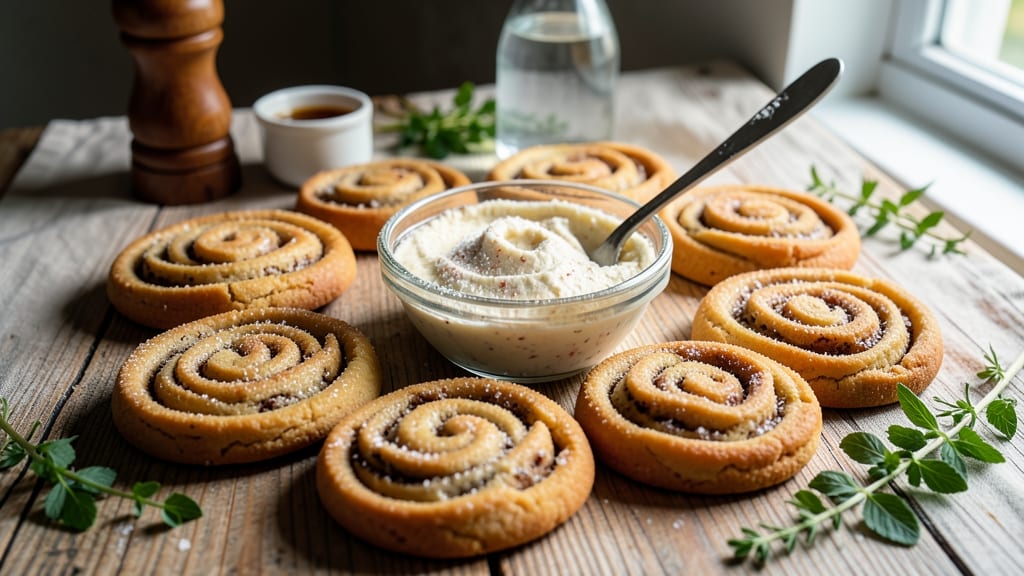
This basic rolled sugar cookie recipe delivers the perfect balance of pillowy softness and crisp edges—a classic dessert that never goes out of style. The secret lies in precise dough preparation and proper chilling, which transforms simple ingredients into cookies with that signature tender bite.
I've perfected this method over years of baking, ensuring every batch turns out consistently delicious.
The dough comes together with just five key ingredients, including butter that stays cool for proper rolling. Chilling the dough for at least 2 hours (or overnight) prevents spreading while baking, giving you those iconic thick, soft centers with perfectly crisp edges.
This is the foundational recipe that makes holiday cookies, gift tins, and everyday treats effortlessly impressive.
Once baked, these cookies maintain their shape beautifully, making them ideal for cutting into festive shapes or classic rounds. The golden brown edges contrast perfectly with the tender interior, creating a texture that's both satisfying and elegant.
Whether you're decorating with royal icing or keeping them simple with a dusting of powdered sugar, these cookies are always a crowd-pleaser.
Ready in about 20 minutes of active time plus chilling, this recipe is perfect for beginners yet delivers restaurant-quality results. The dough can be prepped ahead, making it ideal for holiday baking or last-minute dessert needs. Let's get started on creating cookies that taste like home.
Ingredients for basic rolled sugar cookie
Five essential ingredients transform into cookies with signature pillowy softness and crisp edges.
| Ingredient | Amount | Notes |
|---|---|---|
| Unsalted Butter 🧈 | 1 cup | Cold, cubed for even mixing |
| Granulated Sugar 🍚 | 1 cup | White sugar for classic sweetness |
| Cream of Tartar 🧂 | ½ tsp | Prevents cookie spreading |
| All-Purpose Flour 🌾 | 2 ½ cups | Sifted for light texture |
| Vanilla Extract 🌿 | 1 tsp | Pure vanilla for authentic flavor |
| Large Egg 🥚 | 1 whole | Room temperature preferred |
| Powdered Sugar 🍚 | ½ cup | For dusting finished cookies |
The butter is non-negotiable—cold, cubed pieces ensure the dough stays cool for proper rolling. European-style butter like Plugrá or Land O'Lakes works best due to higher fat content, but any unsalted brand will do. The cream of tartar stabilizes the dough, preventing spreading while baking—don't skip it. For flour, King Arthur or Bob's Red Mill brands are ideal due to their consistent protein content. Measure carefully: spoon and level the flour to avoid dense cookies. The vanilla should be pure extract, not imitation, for that authentic bakery flavor. If you're using a vanilla bean, scrape the seeds directly into the dough for extra depth.
No cream of tartar? Substitute with 1/4 tsp lemon juice—it adds a subtle tang that complements the sweetness. Short on butter? Coconut oil in solid form works in a pinch, though texture may vary slightly. For a nutty twist, replace 1/4 cup flour with finely ground almonds or walnuts. The powdered sugar can be swapped for confectioners' sugar from a box, but sift it first to avoid lumps. Egg substitutes? A flax egg (1 tbsp ground flax + 3 tbsp water) maintains structure, though texture may differ. If your dough feels too sticky, chill it 10 minutes longer—this is especially helpful in humid climates.
Store dough in an airtight container in the fridge for up to 4 days or freeze for 3 months. Once baked, cookies maintain freshness for 5 days at room temperature, wrapped in parchment. For long-term storage, freeze cookies in a single layer before boxing—this prevents sogginess. Reheat in a 300°F oven for 3-5 minutes to restore crispness. The powdered sugar dusting should be done just before serving to prevent clumping. These cookies also freeze beautifully after decorating, making them perfect for holiday gifting.
Why You'll Love This Recipe
- No Fuss Dough: I swear, this dough comes together in one bowl—just cream butter and sugar, toss in the flour and vanilla, and you’re done. No stand mixer, no chilling drama, just a quick roll and cut. (Yes, even on a Tuesday night.)
- Cream of Tartar Magic: That little pinch of cream of tartar? It’s the secret to actual crisp edges and soft centers—no tough, chalky cookies here. The butter stays rich, the flavor stays pure, and the vanilla? Oh, it sings.
- Holiday or Snack Attack: Decorate them for Christmas, leave them plain for a quick snack, or freeze the dough for last-minute gifts. Honestly, I’ve used these for everything from cookie exchanges to midnight cravings, and they never disappoint.
- Dollar Stretch: Five ingredients, zero weird substitutions. Butter, sugar, flour—stuff you already have. A batch makes 24 cookies, and the leftovers? They last in the fridge for a week or freeze for months. Budget-friendly perfection.
Step-by-step instructions for rolled sugar cookies
Here's how to achieve that perfect balance of tender centers and crisp edges every time.
Cream the Butter and Sugar Together
In a stand mixer fitted with the paddle attachment, combine the 1 cup unsalted butter (cold and cubed) with the 1 cup granulated sugar. Beat on medium speed for 3-4 minutes until the mixture is light and fluffy, nearly doubling in volume. You'll see the color lighten noticeably as air incorporates—this is crucial for that classic sugar cookie texture.
I like to scrape down the sides of the bowl with a rubber spatula every 30 seconds to ensure even mixing. The butter should be completely creamed with no visible lumps, and the mixture should leave a trail when the beaters are lifted. This step builds the foundation for tender cookies that hold their shape when rolled.
Add Egg and Vanilla for Structure
Add the 1 whole large egg (room temperature) and the 1 teaspoon vanilla extract to the creamed mixture. Beat on low speed for 30 seconds just until fully incorporated. The mixture will look slightly curdled at first, but don't worry—this will resolve when we add the dry ingredients.
The egg provides structure and moisture, while the vanilla adds that classic sugar cookie aroma. I always use pure vanilla extract here; imitation won't give you the same depth of flavor. Let the mixer run for exactly 30 seconds—overmixing at this stage can develop gluten and make your cookies tough.
Incorporate Dry Ingredients Gently
In a separate bowl, whisk together the 2.5 cups all-purpose flour and 0.5 teaspoon cream of tartar. The cream of tartar is what prevents excessive spreading—it's the secret to those perfect, round cookies. Gradually add the dry mixture to the wet ingredients, mixing on low speed for 30-45 seconds until just combined.
You'll notice the dough comes together in a rough ball, but there should still be some visible flour streaks. This indicates proper mixing—overmixing develops gluten and makes cookies tough. If the dough feels too sticky, you can add 1-2 tablespoons more flour, but don't overcorrect. The dough should hold together when pressed but still be slightly tacky.
Chill the Dough for Perfect Texture
Divide the dough into two equal portions and flatten each into a 1-inch thick disk. Wrap each tightly in plastic wrap and refrigerate for at least 1 hour (I prefer 2 hours for best results). This chilling step is absolutely critical—it firms up the butter, prevents excessive spreading, and allows the flour to fully hydrate for that perfect tender-crisp texture.
During chilling, the dough will firm up significantly. This is what allows you to roll it out thinly without tearing. Don't skip this step—rushing leads to cookies that spread too much and have tough centers. If you're short on time, you can chill the dough for 30 minutes in the freezer, but 1 hour in the fridge is ideal.
Roll and Cut for Uniform Cookies
Preheat your oven to 350°F and line two baking sheets with parchment paper. On a lightly floured surface, roll out one disk of dough to about ⅛-inch thickness. Use a round cookie cutter (about 2-2.5 inches in diameter) to cut out shapes, then reroll the scraps and cut more cookies. Place them on the prepared baking sheets, spacing them about 1 inch apart.
For that classic rolled sugar cookie look, I like to use a variety of shapes—circles, stars, and trees work beautifully. If the dough starts to stick to your rolling pin, chill it for 10 minutes before continuing. The cookies should be uniform in size for even baking, and the spacing prevents them from spreading into each other.
Bake to Golden Perfection
Bake the cookies for 8-10 minutes until the edges are just beginning to turn golden brown but the centers still look slightly underdone. They'll continue cooking on the hot baking sheet after you remove them from the oven. Rotate the baking sheets halfway through for even browning.
Here's where it gets tricky—don't overbake! The cookies should be soft in the center with just a hint of crispness at the edges. If you pull them out too soon, they'll be cakey; too late, and they'll be dry. For the classic sugar cookie experience, I like to bake them until they're just set at the edges but still pillowy in the center.
Cool and Dust for Final Touches
Let the cookies cool on the baking sheets for 5 minutes before transferring them to a wire rack to cool completely. While they're still warm, dust the tops generously with the 0.5 cup powdered sugar using a fine-mesh sieve. This creates that signature sugar cookie finish and adds a touch of sweetness.
The cookies will firm up as they cool, developing that perfect balance of crisp edges and tender centers. For the best texture, serve them at room temperature. If you're making them ahead, store in an airtight container for up to 5 days—they'll keep their freshness and that classic sugar cookie flavor.
Pro Tips For Making Basic Rolled Sugar Cookie
- CHILL THE DOUGH: After mixing, wrap the dough in plastic and refrigerate it for at least 2 hours—overnight is even better. Cold dough rolls smoother, cracks less, and holds its shape when cutting, so skip the rush and let it rest.
- WEIGH THE FLOUR: Scoop flour into a scale instead of measuring cups—packing or scooping too loosely throws off ratios. Sugar cookies need precision; 1 cup of flour can vary by 15g between brands, and that makes a difference in texture.
- USE ROOM-TEMP BUTTER: Take the butter out of the fridge 30-60 minutes before mixing—it should be soft but not greasy. Cold butter creates tough, crumbly dough, while butter that’s too soft melts into the sugar, making rolling impossible.
- ROLL FAST, CUT SMALL: Keep the dough on parchment and work in one spot to avoid warming it up—room temp dough sticks and tears. Cut shapes as soon as you roll them, and chill the cutouts on a tray before baking to prevent spreading.
Regional styles of basic rolled sugar cookie
Classic American Style
This is the foundation of what most Americans think of as sugar cookies—soft, buttery, and dusted with powdered sugar. The key here is using European-style butter for maximum fat content, which creates that signature tender bite.
I like to add 1 teaspoon lemon zest to the dough for a subtle brightness that balances the sweetness. These cookies are perfect for holiday gatherings and taste best when served warm with a cup of chai tea or hot chocolate. 🍪
German Lebkuchen Twist
For a German-inspired variation, replace ½ cup of the granulated sugar with melted honey and add 1 teaspoon ground cinnamon and ½ teaspoon cardamom. The honey adds moisture, while the spices create a warm, aromatic profile.
Roll the dough slightly thicker (about ⅛-inch) and bake at 325°F for 12-14 minutes for a denser texture. These cookies pair beautifully with spiced mulled wine or black coffee.
Japanese Melon Pan Fusion
To create a Japanese-inspired version, add 2 tablespoons melted butter mixed with 1 tablespoon white miso paste to the dough for depth. Roll the dough around a melon-shaped cookie mold (or a round cutter with a slight dome) and bake at 350°F for 10-12 minutes.
Dust with matcha powder instead of powdered sugar for a vibrant green finish. Serve with green tea for an elegant touch. 🌸
Southern Buttermilk Version
In the South, buttermilk is often used to add moisture and tang. Replace the 1 teaspoon vanilla extract with 1 tablespoon buttermilk and ½ teaspoon vanilla bean paste for a richer flavor. Add ¼ teaspoon baking powder to the dry ingredients for a slightly lighter texture.
These cookies hold up well in humid climates and are perfect for picnic baskets or holiday cookie platters.
Italian Amaretti-Inspired
For an Italian twist, replace ½ cup granulated sugar with ½ cup almond flour and add 1 teaspoon almond extract. Roll the dough into thin strips and bake at 350°F for 10 minutes until golden.
Dust with powdered sugar and crushed amaretti cookies for a festive look. These cookies pair wonderfully with espresso or limoncello.
Modern Gluten-Free Adaptation
For a gluten-free version, replace the 2.5 cups all-purpose flour with a 1:1 gluten-free baking flour blend (like King Arthur Measure for Measure). Add ½ teaspoon xanthan gum to improve texture.
Chill the dough for at least 3 hours to prevent cracking. These cookies are just as tender and work well for those with dietary restrictions. 💫
Nutrition facts
Frequently asked questions
Why does my rolled sugar cookie dough keep sticking to the rolling pin?
The dough is likely too warm or not properly chilled. Always refrigerate the dough for at least 2 hours (or overnight) before rolling. If it sticks, chill for an extra 10-15 minutes and use a lightly floured surface. A cool rolling pin helps too—place it in the freezer for 5 minutes before using.
Can I make these cookies without a stand mixer?
Cream the butter and sugar by hand using a wooden spoon or fork for 5-7 minutes until light and fluffy. For the egg and vanilla, mix with a spatula until combined. When adding dry ingredients, use a pastry cutter or fork to gently combine. Just be patient—it takes more elbow grease, but the texture will be just as good.
How do I prevent my cookies from spreading too much?
The cream of tartar is your secret weapon—it stabilizes the dough. Always chill the dough thoroughly (2 hours minimum) and roll it to ⅛-inch thickness. Use a cool baking sheet and avoid overbaking. If they still spread, try baking at 325°F instead of 350°F for 10-12 minutes.
What's the best way to store baked cookies?
Store in an airtight container at room temperature for up to 5 days. For longer storage, freeze cookies in a single layer before boxing (they'll keep for 3 months). To restore crispness, reheat at 300°F for 3-5 minutes. Never store warm cookies—they'll get soggy.
Can I add mix-ins like chocolate chips or nuts?
Yes, but keep portions small—½ cup max of mix-ins per batch. Fold them in after adding the dry ingredients. For chocolate chips, use mini chips (they melt less). For nuts, toast them first and chop finely. Avoid overloading—too many mix-ins can make cookies dense.