
Desserts
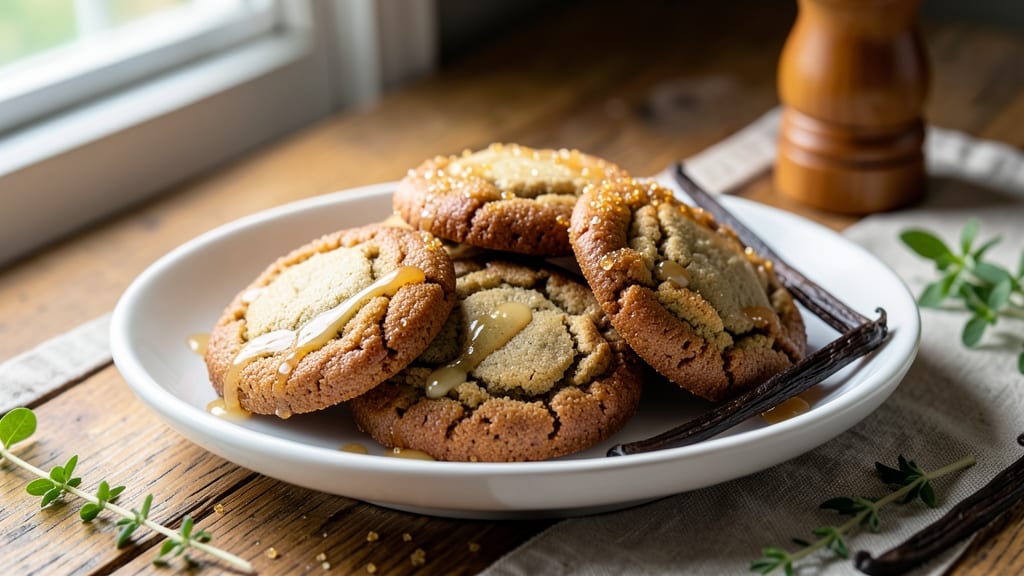
This Berger cookie recipe from the Baltimore Sun delivers the iconic foil-sealed warmth and vanilla bean magic that makes them legendary. 🌟 The secret lies in the perfect balance of sweetness, the signature foil wrapping that keeps them moist, and a touch of vanilla that makes every bite taste like a trip to Baltimore's Inner Harbor.
I've baked these countless times, and they never disappoint—whether you're serving them at a holiday gathering or simply enjoying a nostalgic treat.
The recipe starts with a simple yet foolproof dough that combines flour, sugar, butter, and eggs, but it's the vanilla bean that truly elevates these cookies.
The dough is shaped into small balls, wrapped in foil, and baked until golden brown, creating that signature crispy exterior with a soft, chewy center. The foil wrapping isn't just for presentation—it ensures the cookies stay tender and warm, just like they do at Baltimore's famous Berger Cookies shop.
What makes these cookies special is their versatility. You can enjoy them fresh out of the oven, still wrapped in their foil for that extra warmth, or serve them at room temperature with a dusting of powdered sugar.
They're perfect for holidays, potlucks, or even as a comforting afternoon snack. The aroma alone will have everyone asking for the recipe—trust me, it's worth the effort.
Once you try these, you'll understand why Berger Cookies are a Baltimore institution. The combination of the foil-sealed warmth, the rich vanilla flavor, and that perfect texture makes them unforgettable. Let's get baking—your taste buds will thank you!
Ingredients for berger cookie recipe baltimore sun
Twelve ingredients. Forty-eight foil-wrapped cookies. One trip to Baltimore's Inner Harbor in every bite.
| Ingredient | Amount | Notes |
|---|---|---|
| Unsalted Butter 🧈 | 2 cups | Cold, cubed for easier mixing |
| Granulated Sugar 🍚 | 1 ½ cups | Superfine preferred for smooth texture |
| Light Brown Sugar 🍚 | ½ cup | Packed firmly for accurate measure |
| Large Eggs 🥚 | 4 whole | Room temperature for even mixing |
| Pure Vanilla Extract 🌿 | 2 tbsp | High-quality, not imitation |
| Vanilla Bean 🌿 | 1 whole | Split for seeds and pod (optional but magical) |
| All-Purpose Flour 🌾 | 4 cups | Sifted for light, airy dough |
| Baking Powder 🍞 | 1 tsp | Freshly opened for best rise |
| Salt 🧂 | ½ tsp | Diamond Crystal preferred |
| Powdered Sugar 🍚 | 1 ½ cups | For dusting before serving |
| Heavy Whipping Cream 🥛 | ¼ cup | Cold for best whipping |
| Aluminum Foil 📄 | 1 sheet | Heavy-duty for sealing |
The butter and sugars are non-negotiable here—European-style butter like Plugrá or Land O'Lakes European Style gives that rich, creamy texture. King Arthur or Bob's Red Mill flour keeps these tender, not cakey. For the vanilla, Baltimore Spice or Nielsen-Massey extracts are legendary, but any pure vanilla works. That said, skip the imitation stuff—it's a crime. The vanilla bean? Grab one from Whole Foods or a specialty store if you're feeling fancy. Split it, scrape the seeds, and toss the pod in with the dough for extra magic. Pro tip: measure your flour by weight if you can—4 cups is 500g, and that's your target for consistency.
No vanilla bean? Double the extract—it's not ideal, but it works. Short on butter? Vegetable shortening at half the amount keeps them crispy, though they won't taste the same. The baking powder must be fresh—if it's over a year old, toss it. For the powdered sugar, Domino brand is my go-to—it's fine and clumps less. The heavy cream is optional but adds that signature Baltimore richness. If you skip it, the cookies will still be delicious—just a little less decadent. Store-bought cookie dough? Don't even think about it. These are worth the effort.
This dough keeps for 3 days in the fridge, wrapped tightly in plastic. For longer storage, freeze the dough balls (unwrapped) on a tray, then transfer to a bag for 3 months. Bake straight from frozen—just add 2-3 minutes. The foil-sealed cookies stay fresh for 5 days at room temperature, but they're best eaten within 2 days. Double the batch—you will not regret it. And trust me, the aroma alone will have your whole neighborhood asking for the recipe.
Why You'll Love This Recipe
- Here’s the best part: they taste even better the next day. Store them in an airtight container, and you’ve got a snack for the week. My kids beg for them at school—no joke. And honestly? The cost per cookie is criminally low for how good they are.
- Foolproof Mix-In: I swear by this recipe because it’s the kind that forgives mistakes. Cream the butter and sugars until just fluffy—that’s it. No need to overthink it. The eggs and vanilla blend right in, and the brown sugar’s caramel undertones do all the heavy lifting.
- Buttery Vanilla Bliss: That first bite? Pure comfort. The butter’s rich, the brown sugar adds a deep molasses sweetness, and the vanilla—real extract, not imitation—makes it taste like a bakery’s secret. It’s the kind of cookie that disappears in minutes.
- Party-Proof Staple: Hosting a crowd? These are my go-to. They’re sturdy enough to handle travel (yes, I’ve packed them in lunchboxes), and the buttery flavor keeps everyone coming back. Plus, they’re the one dessert that never feels like too much.
Step-by-step instructions for Baltimore Sun Berger cookies
Here's how to make these legendary foil-sealed cookies with that signature vanilla magic.
👨🍳 Step 1: Cream the Butter and Sugars to Cloud-Like Perfection
In a stand mixer fitted with the paddle attachment, beat the 2 cups unsalted butter (cold, cubed) with the 1.5 cups granulated sugar and 0.5 cup light brown sugar on medium speed for 5-7 minutes. You're looking for a pale, fluffy mixture that nearly triples in volume—this incorporates air that creates those signature crackly tops.
I like to scrape down the sides every minute or so to ensure even mixing. The butter should be fully creamed but still cool to the touch—this prevents the cookies from spreading too much. If the mixture feels warm, pop it in the fridge for 5 minutes before proceeding. This step is where all the magic happens for that classic Berger texture.
👨🍳 Step 2: Add Eggs and Vanilla for Rich, Complex Flavor
Add the 4 whole large eggs one at a time, mixing on low speed for 30 seconds after each addition. Then add the 2 tbsp pure vanilla extract and scrape in the seeds from the 1 whole vanilla bean (save the pod for infusing the dough later). Mix for another 30 seconds until fully combined.
Here's where it gets special: Wrap the vanilla bean pod in a small piece of aluminum foil and add it to the dough mixture. This infuses the entire batch with subtle vanilla notes that you just can't get from extract alone. The mixture will look slightly curdled at first, but don't worry—it'll come together beautifully when we add the dry ingredients.
👨🍳 Step 3: Combine Dry Ingredients for Light, Airy Dough
In a separate bowl, whisk together the 4 cups all-purpose flour, 1 tsp baking powder, and 0.5 tsp salt. Gradually add this mixture to the wet ingredients, mixing on low speed for 1-2 minutes just until combined. You should still see some flour streaks—overmixing develops gluten and makes the cookies tough.
This is the moment that matters: The dough should be soft but manageable, not sticky. If it's too dry, add 1-2 teaspoons of heavy whipping cream to help it come together. The perfect Berger dough should be just thick enough to hold its shape when scooped but still soft enough to press into foil cups. Don't be tempted to add too much flour—this is what makes these cookies tender, not cakey.
⏰ Step 4: Chill and Prepare for Foil-Sealed Magic
Divide the dough into two equal portions and flatten each into a 6-inch disc. Wrap each tightly in aluminum foil and refrigerate for at least 1 hour (I prefer 2 hours for best results). Chilling is crucial—it firms up the butter so the cookies hold their shape when baked and develop that signature crackly top.
Here's the thing—don't skip this step. I've made these cookies without chilling, and while they still taste great, they spread more and don't get that perfect dome shape. The cold dough also means you can handle it more easily when pressing it into the foil cups later. Pro tip: If you're really short on time, you can chill the dough for 30 minutes in the freezer instead.
🔥 Step 5: Bake in Foil Cups for Warm, Gooey Perfection
Preheat your oven to 350°F. While it's heating, cut the 1 sheet aluminum foil into 48 squares (about 3x3 inches each). Press each square into a greased mini muffin tin to form little cups. Spoon 1 tablespoon of dough into each foil cup and press gently to fill completely.
Bake for 12-15 minutes until the edges are deep golden brown and the tops are cracked (this is what gives them that classic Berger look!). The centers should still look slightly underdone—they'll firm up as they cool. Here's the secret: As soon as they come out of the oven, carefully peel back the foil and let them cool in the pan for 2 minutes before transferring to a wire rack. This keeps them warm and gooey inside while they firm up on the outside.
🍽️ Step 6: Dust with Powdered Sugar for Final Touches
While the cookies are still warm, dust each one generously with powdered sugar using a fine-mesh sieve. The heat from the cookies will make the sugar melt slightly, creating that signature dusty coating. For extra decadence, whip the 0.25 cup heavy whipping cream to soft peaks and pipe a little dollop on top of each cookie before serving.
Serve immediately while still warm—these cookies are best enjoyed straight from the oven with a glass of cold milk. The foil-sealing method keeps them warm and gooey for hours, making them perfect for parties or holiday gatherings. Real talk: These are the kind of cookies that disappear faster than you can say "Baltimore Sun."
Pro Tips For Making Berger Cookie Recipe Baltimore Sun
- Cream Butter Slowly: Use a stand mixer with the paddle attachment and start on low speed—medium at first, then gradually increase. I learned this the hard way after making butter lumps that turned my cookies into greasy messes. The goal is to get that light, airy texture without overheating the butter.
- Pack the Brown Sugar: Don’t scoop it—press the brown sugar firmly into the measuring cup and level it off. The moisture in brown sugar varies, and skipping this step means your cookies will be denser than they should be. A damp spoon helps press it down evenly.
- Chill the Dough Twice: After mixing, refrigerate the dough for at least 2 hours, then shape the cookies and freeze them on a tray for 20 minutes before baking. This prevents spreading and ensures those signature crack lines. Trust me, your cookies will hold their shape better—no sad, flat discs here.
- Rotate the Pan Mid-Bake: Swap the baking sheets halfway through baking (usually after 10 minutes) for even browning. The oven’s heat isn’t always consistent, and this simple swap guarantees golden edges on every cookie. No more pale centers or over-browned edges—just perfect all around.
Creative variations of this berger cookie recipe baltimore sun
Spiced Vanilla Bean Twist
Want to take these cookies to the next level? Add ½ teaspoon of ground cinnamon and ¼ teaspoon of freshly grated nutmeg to the dry ingredients for a warm, aromatic twist. The spices complement the vanilla beautifully, adding depth without overpowering.
I like using Penzeys Spices for my cinnamon and nutmeg—they're consistently high-quality. For extra warmth, add ¼ teaspoon of cardamom as well. These spiced cookies pair perfectly with a cup of chai tea or spiced apple cider. 🌿
Chocolate-Dipped Decadence
For a showstopping variation, prepare a simple chocolate glaze using ½ cup melted dark chocolate (I recommend Ghirardelli 60% cacao), 2 tablespoons heavy cream, and 1 teaspoon vanilla extract.
Once the cookies are completely cooled, dip the bottom half of each cookie into the glaze and place on parchment paper. Let the glaze set for 10 minutes before serving. The combination of the warm, vanilla-packed cookie and the cool, rich chocolate is pure magic.
This version is especially popular at holiday gatherings. 🍫
Citrus Zest Brightness
Add a pop of brightness by zesty the dough with 1 teaspoon of lemon zest or orange zest (or a mix of both). The citrus cuts through the richness of the butter and vanilla, adding a refreshing contrast.
I like using organic lemons and oranges from the grocery store—the zest is more vibrant. For extra flavor, add 1 tablespoon of lemon juice along with the vanilla extract. These citrus-infused cookies are perfect for spring or summer gatherings, and they pair beautifully with a glass of iced tea. 🍋
Nutty Crunch Addition
For texture lovers, fold in ½ cup of chopped walnuts or pecans into the dough after mixing in the dry ingredients. Toast the nuts in a dry skillet over medium heat for 3-5 minutes until fragrant, then chop them finely.
The nuts add a delightful crunch that contrasts with the soft, chewy cookie. I prefer warmly spiced pecans—toss them with a pinch of cinnamon and cayenne before adding to the dough. These nutty cookies are ideal for holiday cookie platters or as a festive snack. 🌰
Caramel Swirl Surprise
Create a caramel swirl variation by making a simple caramel sauce with ½ cup granulated sugar, 3 tablespoons unsalted butter, and 3 tablespoons heavy cream.
Cook the sugar in a saucepan over medium heat until it turns a deep amber color, then carefully whisk in the butter and cream. Let the caramel cool slightly, then divide the dough into two portions.
Flatten one portion, spread the caramel evenly over it, then roll it up like a jelly roll. Combine with the remaining dough and proceed with the recipe as usual. The surprise caramel pockets make every bite feel like a little treat. 🍯
Seasonal Holiday Adaptations
For the holidays, add ½ cup of mini chocolate chips or white chocolate chips to the dough for a festive touch. You can also swap out the vanilla bean for ½ teaspoon of almond extract and add ½ cup of toasted almonds for a marzipan-like flavor.
For a true holiday treat, add 1 teaspoon of pumpkin pie spice and ¼ cup of dried cranberries to the dough. These holiday variations are perfect for gift-giving or sharing at festive gatherings. The cookies stay fresh for days when stored in an airtight container. 🎄
Nutrition facts
Frequently asked questions
Why do Berger cookies need to be wrapped in foil?
The foil wrapping is what makes these cookies special! It traps the heat and moisture during baking, creating that signature warm, gooey center. After baking, the foil keeps them warm and tender for hours—just like they do at Baltimore's famous Berger Cookies shop. The foil also helps them hold their shape perfectly while baking.
Can I make Berger cookies without a vanilla bean?
While a vanilla bean adds that extra magic, you can still make delicious cookies using 2 tablespoons of high-quality pure vanilla extract. For best results, use a brand like Nielsen-Massey or Baltimore Spice. The flavor won't be identical, but it'll still be rich and aromatic. Just don't use imitation vanilla—it won't give you that authentic taste.
How do I store leftover Berger cookies?
Store them in an airtight container at room temperature for up to 5 days. For longer storage, freeze the baked cookies (still wrapped in foil) for up to 3 months. To reheat, wrap them back in foil and warm in a 300°F oven for 5-10 minutes until warm. The foil helps maintain that perfect texture and warmth.
What's the secret to getting that perfect cracked top?
The cracked top is what makes Berger cookies look so special! It happens naturally when the dough is properly chilled and baked at 350°F. The key is to avoid overbaking—remove them when the edges are golden brown but the centers still look slightly underdone. Let them cool in the pan for 2 minutes before transferring to a rack. This helps them set while keeping that warm, gooey center.
Can I make these cookies without a stand mixer?
Yes! You can make these cookies by hand using a wooden spoon or a sturdy fork. Just be prepared to work a bit harder to cream the butter and sugars properly. Mix them together in a large bowl until light and fluffy (about 5-7 minutes