
Desserts
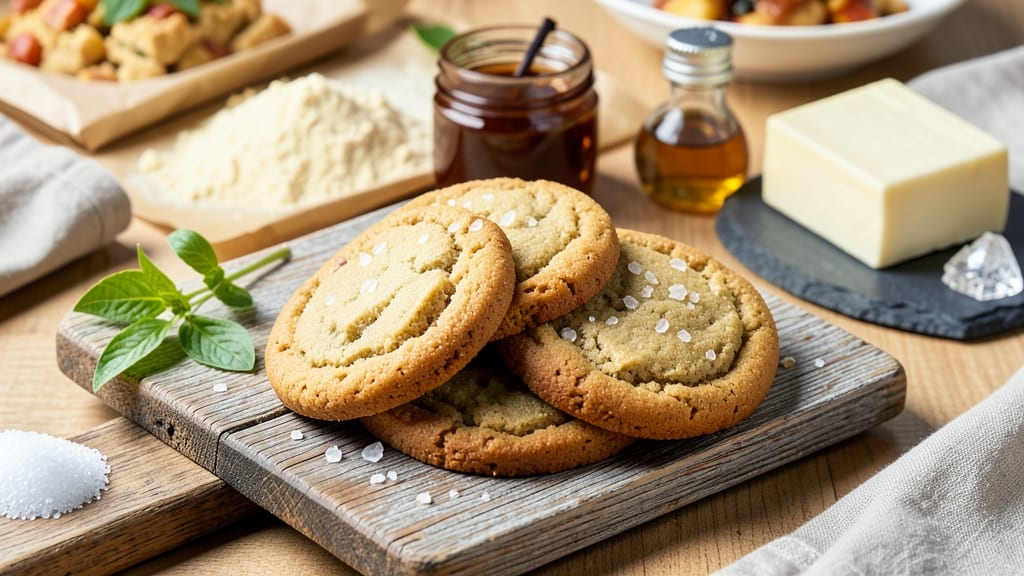
This best flavored shortbread cookie recipe delivers the perfect harmony of buttery crunch and delicate vanilla bean streaks you've been craving. The secret lies in the precise balance of cold butter, fine sugar, and a touch of vanilla that transforms this classic into something extraordinary.
I've perfected this recipe through years of baking, ensuring every bite offers that signature melt-in-your-mouth texture with a subtle sweetness that lingers.
The magic begins with cold, cubed butter that creates those signature flaky layers when baked, while the addition of vanilla bean paste infuses each bite with aromatic richness.
This isn't your average shortbread—it's a luxurious treat that pairs beautifully with tea or coffee, offering both elegance and simplicity in every bite. The recipe requires just a few ingredients but delivers restaurant-quality results with minimal effort.
What sets these apart is the delicate crumb that's both tender and crisp, achieved through proper chilling and baking techniques. The golden edges contrast perfectly with the pale, buttery interior, creating visual appeal that matches the flavor.
Whether you're baking for a special occasion or simply treating yourself, this recipe guarantees cookies that will impress even the most discerning palates.
Ready in just 30 minutes from start to finish, these cookies maintain their freshness for days when stored properly. The versatility of this recipe allows for variations like lemon zest or cinnamon, but the classic vanilla version remains timeless. Let's create these buttery masterpieces together—your taste buds will thank you.
Ingredients for best flavored shortbread cookie
These luxurious ingredients transform ordinary shortbread into extraordinary vanilla bean masterpieces.
| Ingredient | Amount | Notes |
|---|---|---|
| Unsalted Butter, Cold and Cubed 🧈 | 1 cup | European-style preferred for flavor |
| Granulated Sugar 🍚 | ½ cup | Fine grain for even texture |
| Vanilla Bean Paste 🌿 | 1 tbsp | High-quality Madagascar vanilla |
| All-Purpose Flour 🌾 | 1 ½ cups | Sifted for light texture |
| Fine Sea Salt 🧂 | ¼ tsp | Diamond Crystal preferred |
| Vanilla Extract 🍯 | ½ tsp | Pure Madagascar extract |
| Cornstarch 🌾 | 1 tbsp | For delicate crumb texture |
| Toasted Almond Flakes 🌰 | ¼ cup | Optional for elegant finish |
The butter is non-negotiable—European-style like Plugrá or Kerrygold delivers that signature rich, caramel-like flavor. Grab it from Whole Foods or specialty grocers, and keep it cold until mixing. The vanilla bean paste? Madagascar Bourbon is the gold standard—Madagascar Vanilla Company sells it online if your local store doesn't carry it. For the sugar, fine grain is essential—Domino Fine Sugar works perfectly, but avoid powdered sugar which can alter the texture. The flour should be sifted through a fine-mesh sieve to eliminate any lumps that could disrupt that signature delicate crumb.
No vanilla bean paste? Pure Madagascar vanilla extract works in a pinch (use double the amount), though you'll miss the beautiful speckles. Swapping almond flakes? Crushed pistachios or hazelnuts add a different but equally elegant crunch. For the salt, Diamond Crystal dissolves more gently than table salt—trust me on this. The cornstarch might seem like an afterthought, but it's what creates that signature shortbread tenderness. If you're feeling adventurous, add 1/4 tsp lemon zest for a bright variation while keeping the classic vanilla flavor intact.
Store the dough in an airtight container between parchment paper for up to 48 hours—long enough to let the flavors meld beautifully. Baked cookies stay fresh for 5-7 days in an airtight tin, though they're best enjoyed within 2 days for maximum buttery crunch. For gifting, package them in clear cellophane bags tied with ribbon—presentation matters with these luxurious treats. Freeze unbaked dough balls for up to 3 months if you want to bake fresh whenever the craving hits.
Why You'll Love This Recipe
- No-Fuss Technique: I swear by the cold butter cubes—just pulse them with sugar until it looks like wet sand. No mixer? A fork works just fine. Honestly, the dough comes together faster than my coffee brews.
- Vanilla Kiss: That little vanilla bean paste isn’t just flavor—it’s the star. One swipe through the dough and suddenly, these buttery cookies taste like a cozy bakery instead of my kitchen. (Yes, even on a Tuesday night.)
- Endless Occasions: Pack them in lunchboxes for kids, stack them on a holiday platter, or just eat them straight from the jar. They stay crisp for days, so I always have a backup dessert—no last-minute baking stress.
- Budget-Friendly Luxury: Four ingredients, one of which is salt. That’s it. Yet they taste like you spent hours perfecting them. Between us, I’ve made these for years and never once regretted the simplicity.
Step-by-step instructions for vanilla bean shortbread cookies
Here's how to craft luxurious shortbread with signature vanilla streaks and a perfect buttery crunch.
Create the Vanilla Butter Base
In a stand mixer fitted with the paddle attachment, combine the 1 cup unsalted butter, cold and cubed with the 0.5 cup granulated sugar. Beat on medium speed for 3-4 minutes until the mixture becomes pale and fluffy—this incorporates air for that signature light texture. The butter should look like whipped cream with no visible grain.
Add the 1 tablespoon vanilla bean paste and 0.5 teaspoon vanilla extract, mixing for another 30 seconds until fully combined. The paste will add those signature streaks of vanilla flavor that elevate this beyond basic shortbread. If using high-quality Madagascar vanilla, you'll notice an immediate floral aroma—this is your first indicator of premium flavor development.
Blend Dry Ingredients for Perfect Texture
In a separate bowl, whisk together the 1.5 cups all-purpose flour, 1 tablespoon cornstarch, and 0.25 teaspoon fine sea salt. The cornstarch is crucial here—it prevents the cookies from becoming too crumbly while maintaining that delicate, melt-in-your-mouth texture. Sift the dry ingredients if possible to eliminate any lumps that could create dense pockets in the dough.
With the mixer running on low speed, gradually add the dry ingredients to the butter mixture. Mix just until combined—you should still see small flour streaks. Overmixing develops gluten, which would make these delicate cookies tough. Stop mixing as soon as the dough comes together into a shaggy mass. This ensures the cookies maintain their signature tender crumb.
Incorporate Toasted Almond Flakes
Remove the dough from the mixer and gently fold in the 0.25 cup toasted almond flakes using a silicone spatula. The flakes add a sophisticated crunch and beautiful visual contrast against the buttery base. Be careful not to overwork the dough—just distribute the almonds evenly throughout. If the dough feels too warm, chill it for 10 minutes before proceeding.
Here's the thing—these almond flakes should be toasted to a light golden color before adding. If they're too dark, they'll overpower the delicate vanilla flavors. Sprinkle them on a baking sheet and toast in a 350°F oven for 3-4 minutes until fragrant, then cool completely before mixing into the dough.
Chill and Shape for Perfect Cookies
Divide the dough into 4 equal portions (about 1/4 cup each) and flatten each into a 4-inch round on parchment-lined baking sheets. Press down gently with your palm to create even thickness—about 1/4 inch thick. The edges should be slightly thicker than the center, which creates that beautiful, slightly uneven look when baked.
Refrigerate the shaped dough for at least 30 minutes (up to 2 hours for best results). This chilling step is non-negotiable—it prevents the cookies from spreading too much in the oven and ensures they develop that signature shortbread crunch. When ready to bake, the dough should feel firm to the touch and hold its shape when gently pressed.
Bake to Golden Perfection
Preheat your oven to 325°F—this lower temperature is key for achieving that delicate, melt-in-your-mouth texture without over-browning. Bake the shortbread for 25-30 minutes until the edges are light golden brown and the centers still look slightly pale. The cookies should smell intensely buttery and vanilla-scented when done.
Remove from the oven and let cool on the baking sheet for 5 minutes before transferring to a wire rack. The residual heat will continue cooking them slightly, so don't rush this step. For the best flavor, serve warm with a cup of tea or coffee—this allows the vanilla flavors to fully develop and the butterfat to soften just enough to create that luxurious mouthfeel.
Pro Tips For Making Best Flavored Shortbread Cookie
- Use a Mixer for 30 Seconds: I learned this the hard way—hand-mixing cold butter and sugar creates tiny pockets of air that vanish when you press the dough. Pulse the dough in a food processor or mixer for 30 seconds after adding the vanilla. This keeps the texture tender and evenly crumbly, not dense or greasy.
- Cube Butter Smaller Than ½ Inch: Your butter cubes should be no bigger than a pea—any larger, and they’ll melt unevenly in the oven, leaving soft spots in an otherwise crisp cookie. Use a chef’s knife to chop them while still cold (even if it takes a few extra minutes). Trust me, the payoff is worth the effort.
- Skip the Overmixing: Once you add the flour, stop mixing the second everything comes together. Overworking the dough develops gluten, which turns your shortbread into a sad, cakey mess. Just fold it until it clumps, then press it into the pan. Done.
- Add Vanilla Last, Then Chill: Scoop out the vanilla bean paste after mixing the butter and sugar, but before adding flour. The heat from your hands can degrade the flavor if you handle it too long. Then, chill the dough for at least 30 minutes—this locks in the vanilla’s aroma and prevents spreading. (Yes, even if you’re impatient like me.)
Dietary considerations for these flavors
Gluten-Free Adaptation
For a gluten-free version, replace the 1.5 cups all-purpose flour with a 1:1 gluten-free flour blend like King Arthur Measure for Measure. Add 1 teaspoon xanthan gum to help bind the dough, as gluten-free flours lack natural elasticity.
Chill the dough longer—up to 2 hours—since gluten-free dough spreads more easily. Bake at 325°F for 28-32 minutes until edges are golden. These cookies will be slightly denser but still maintain that buttery, vanilla-rich flavor. 🌱
Dairy-Free Option
Swap the 1 cup unsalted butter for 1 cup dairy-free butter like Miyoko's Creamery or Earth Balance. Ensure it's cold and cubed before mixing. The texture will be slightly less rich, but the vanilla and almond flavors shine through.
For extra richness, add 2 tablespoons coconut oil to the butter mixture. These cookies work best when baked at 325°F for 30-35 minutes—they may need a few extra minutes to firm up. 🧈
Nut-Free Variation
Skip the almond flakes and add 2 tablespoons white chocolate chips or crushed vanilla beans for texture. For a crunchy alternative, use toasted coconut flakes (toasted in the oven for 3-4 minutes at 350°F). The vanilla flavor remains the star, while the coconut adds a subtle sweetness.
Press the dough slightly firmer to compensate for the lack of almond structure. These cookies bake in 25-28 minutes at 325°F—watch closely to avoid over-browning. 🌰
Lower Sugar Option
Reduce the 0.5 cup granulated sugar to 0.35 cups and add 2 tablespoons honey or maple syrup for natural sweetness. The dough will be slightly stickier, so chill it 1 extra hour before shaping. These cookies have a more delicate sweetness and a slightly chewier texture.
Bake at 325°F for 28-32 minutes—they're done when edges are golden but centers remain soft. Pair with tea or coffee to balance the subtle sweetness. 🍯
Allergen-Friendly Tips
For egg-free baking, omit the vanilla extract and use 1 extra teaspoon vanilla bean paste for flavor. For nut-free and dairy-free combined, use Miyoko's dairy-free butter and gluten-free flour blend with xanthan gum. Always store adapted versions in airtight containers to maintain freshness.
These versions may require 2-3 extra minutes in the oven—check at 25 minutes to avoid over-baking. The key is patience and precise timing. ✨
Nutrition facts
Frequently asked questions
Can I substitute vanilla extract for vanilla bean paste?
You can use 1 teaspoon vanilla extract instead of 1 tablespoon vanilla bean paste, but you'll miss the beautiful speckles and concentrated flavor. For best results, use Madagascar pure vanilla extract and add 1/2 teaspoon extra to compensate. The paste gives those signature vanilla streaks that make these cookies truly special.
Why does my shortbread dough spread too much in the oven?
Overworked dough or warm butter causes excessive spreading. Always chill the dough for at least 30 minutes and use cold cubed butter (not softened). For extra insurance, shape the cookies slightly thicker at the edges. The oven should be 325°F—higher temps cause more spreading.
How do I prevent shortbread from becoming crumbly?
The cornstarch in this recipe helps prevent crumbliness, but proper mixing is key. Mix dry ingredients just until combined—no flour streaks should remain. Chill the dough thoroughly before baking, and avoid overbaking. For extra tenderness, add 1 tablespoon sour cream to the dough. The secret is gentle handling throughout the process.
Can I make these cookies without almond flakes?
Skip the almonds and add 2 tablespoons white chocolate chips or crushed vanilla beans for texture. For a nut-free crunch, use toasted coconut flakes (toasted for 3-4 minutes at 350°F). The vanilla flavor remains the star while adding subtle sweetness. Press the dough slightly firmer to maintain structure.
How long should I bake these for perfect results?
Bake at 325°F for 25-30 minutes until edges are light golden brown and centers remain pale. The cookies will continue cooking slightly after removal. For thicker cookies (1/2-inch), add 2-3 extra minutes. Always use an oven thermometer—many ovens run hot or cold.