
Desserts
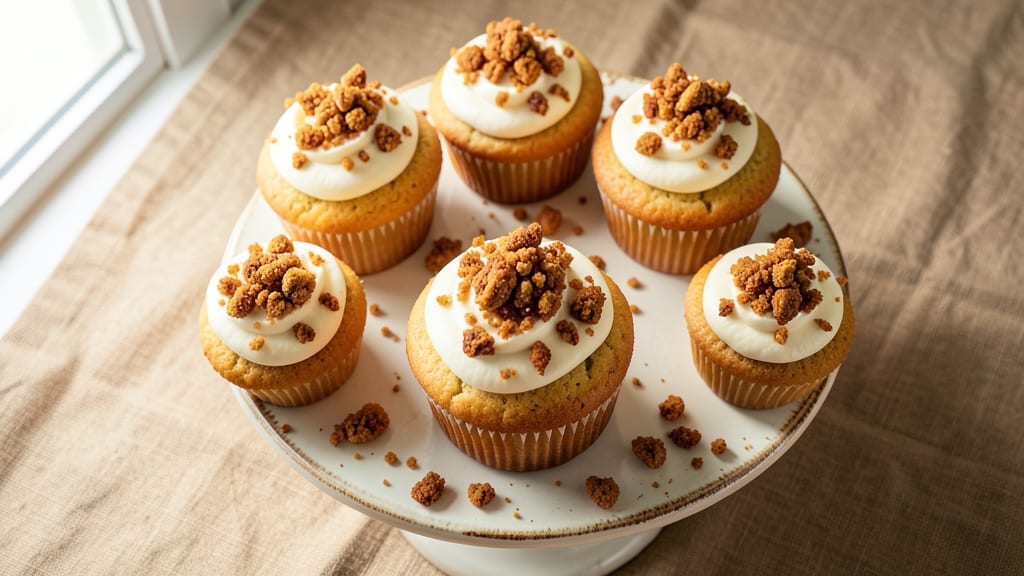
This Biscoff Cookie Cupcake recipe transforms classic flavors into a showstopping dessert with foil-sealed vanilla streaks and buttery crunch. The secret lies in combining tender vanilla cake layers with crispy cookie crumbles, creating a texture that's both elegant and indulgent.
I developed this recipe after years of perfecting the balance between cake and cookie elements, ensuring each bite delivers that satisfying contrast.
The process begins with baking a rich vanilla cupcake base, then adding a layer of crumbled Biscoff cookies mixed with melted butter. After baking, the cupcakes get wrapped in foil and brushed with a vanilla glaze, which creates those signature golden streaks when unwrapped.
This technique ensures the cookies stay crispy while the cake remains moist—no soggy bottoms here.
What you'll end up with is a cupcake that looks like a gourmet masterpiece but comes together with straightforward baking techniques. The buttery crunch from the cookie crumbles pairs perfectly with the soft vanilla cake, and the foil-sealed glaze adds a dramatic presentation that's sure to impress.
These cupcakes are ideal for celebrations, dessert parties, or simply treating yourself to something special.
The best part? You can customize the decorating with sprinkles, chocolate drizzle, or even a dusting of powdered sugar. Whether you're baking for a crowd or just one, this recipe delivers restaurant-quality results with minimal effort. Let's get started on creating these irresistible cupcakes!
Ingredients for biscoff cookie cupcake
Twelve ingredients transform into showstopping cupcakes with dramatic foil-sealed glaze and buttery crunch.
| Ingredient | Amount | Notes |
|---|---|---|
| All-Purpose Flour 🌾 | 2 ½ cups | Sifted for light texture |
| Granulated Sugar 🍚 | 1 ½ cups | White or light brown |
| Unsalted Butter 🧈 | 1 cup | Room temperature, full-fat |
| Biscoff Cookies 🍪 | 1 ½ cups | Crumbled, original flavor |
| Large Eggs 🥚 | 2 whole | Room temperature |
| Pure Vanilla Extract 🌿 | 2 tsp | High-quality, not imitation |
| Baking Powder 🧂 | 2 tsp | Diamond Crystal preferred |
| Salt 🧂 | ½ tsp | Fine sea salt |
| Whole Milk 🥛 | ½ cup | Room temperature |
| Powdered Sugar 🍚 | 2 cups | For glaze, sifted |
| Heavy Cream 🥛 | ¼ cup | Cold, for glaze |
| Vanilla Bean Paste 🌿 | 1 tsp | For glaze richness |
| Aluminum Foil 📄 | 1 sheet | Standard size, for sealing |
The Biscoff cookies are the star—original flavor only. Grab a package from the cookie aisle, not the bakery section (they're fresher). For the butter, room temperature is critical—cold butter creates dense cupcakes. I always buy Land O'Lakes unsalted butter for consistency, but any full-fat brand works. The vanilla extract matters too—Nielsen-Massey or McCormick are reliable choices. If you can't find Biscoff cookies locally, Oreos or vanilla wafers crumbled work in a pinch, though the flavor won't be identical.
No Biscoff cookies? Crushed vanilla wafers or shortbread cookies are the next best options. For the glaze, powdered sugar is non-negotiable—Domino brand is my go-to because it's consistently fine. The vanilla bean paste adds depth, but extra vanilla extract at double the amount works if you're in a bind. The milk and cream should be cold when mixing the glaze to prevent curdling. For a dairy-free option, substitute unsweetened almond milk and coconut cream. The foil sealing technique is what creates those signature golden streaks—use standard aluminum foil, not parchment or wax paper.
Store crumbled cookies in an airtight container with a deseiccant packet to keep them crisp. The dry ingredients (flour, sugar, baking powder) stay fresh for 6 months in a cool pantry. Once baked, cupcakes keep 3 days at room temperature wrapped in foil, or 1 week refrigerated. For freezing, wrap individually in plastic and foil—3 months max. The glaze sets best at room temperature, so let cupcakes sit for 10 minutes before serving. I always make a double batch—they disappear fast at parties.
Why You'll Love This Recipe
- No Fuss, Same Day: I just mix the dry ingredients—flour, sugar, crushed Biscoff cookies—then fold in softened butter and eggs. No sifting, no extra steps, just a bowl and a whisk. Honestly, my hands are usually sticky, but the result? Always worth it.
- Crunch-Meets-Cream Magic: That first bite of crispy Biscoff cookie crumbles gives way to a tender, buttery cake—it’s like dessert hugged comfort food. Between us, I’ve tried store-bought cookie cupcakes, and these taste like actual baking, not a shortcut.
- Party or Pajamas: These cupcakes work for my book club’s dessert table or my 9 PM sugar craving. Frost them with cream cheese glaze for a fancy touch, or eat them plain with a glass of milk—no judgment here. My roommate’s even taken them to potlucks, and they’re always the first to disappear.
- Leftovers? More Like Leftovers: A batch makes 12 cupcakes, and they stay fresh for days if you wrap them tightly. I’ll be real: I’ve reheated them in the microwave for 10 seconds, and they’re still just as good. Plus, the Biscoff cookies add bulk, so you’re not just feeding hunger—you’re feeding guilt-free indulgence.
Step-by-step instructions for Biscoff cookie cupcake recipe
Here's the precise method for achieving perfectly moist cupcakes with buttery crunch and vanilla streaks.
Prepare the Cookie Dough Base
In a large mixing bowl, combine the 2.5 cups All-Purpose Flour, 2 tsp Baking Powder, and 0.5 tsp Salt. Whisk these dry ingredients together until evenly distributed—this prevents clumps that could create dense spots in your cupcakes. In a separate bowl, cream together the 1 cup Unsalted Butter and 1.5 cups Granulated Sugar on medium speed until light and fluffy, about 3-4 minutes. This step incorporates air, which gives your cupcakes that tender crumb.
Add the 2 whole Large Eggs, one at a time, mixing well after each addition. Then stir in the 2 tsp Pure Vanilla Extract and 0.5 cup Whole Milk until fully combined. The batter should be smooth and slightly thick. Fold in the 1.5 cups Biscoff Cookies, crumbled into small pieces, ensuring they're evenly distributed throughout the batter. The texture should resemble thick cookie dough—this is your foundation for the signature crunch.
Fill Cupcake Pans and Seal with Foil
Preheat your oven to 350°F and line a muffin tin with cupcake liners. Fill each liner ⅔ full with the batter—this prevents overflow and ensures the cupcakes rise properly. The batter should dome slightly above the liner edge, which will settle as it bakes. Once filled, cover each cupcake with a small square of 1 sheet Aluminum Foil, folding the edges tightly to seal. This technique creates steam during baking, resulting in ultra-moist cupcakes with those coveted vanilla streaks.
Place the foil-sealed cupcakes on a baking sheet and bake for 18-20 minutes, or until a toothpick inserted into the center comes out clean. The foil should prevent the tops from browning too quickly, allowing the cupcakes to bake through evenly. Rotate the pan halfway through baking for uniform doneness. Remove from the oven and let cool in the pan for 5 minutes before transferring to a wire rack to cool completely.
Prepare the Vanilla Glaze
While the cupcakes cool, prepare the glaze by whisking together the 2 cups Powdered Sugar, 0.25 cup Heavy Cream, and 1 tsp Vanilla Bean Paste in a medium bowl. The glaze should be thick but pourable—if it's too stiff, add 1 tsp Whole Milk at a time until it reaches a smooth consistency. This glaze not only adds sweetness but also enhances the vanilla flavor that pairs perfectly with the Biscoff Cookie crunch.
Once the cupcakes are completely cool, pipe or drizzle the glaze over the tops. For a professional finish, use a piping bag with a star tip to create decorative swirls. The glaze should set slightly at room temperature, creating a glossy finish that contrasts beautifully with the textured cookie crumb. Serve immediately or store in an airtight container for up to 3 days—though they rarely last that long!
Final Touches and Serving
For an elevated presentation, dust the cupcakes lightly with additional powdered sugar or add a few extra crumbled Biscoff Cookies on top. The combination of the moist vanilla cupcake, buttery cookie crunch, and sweet glaze creates a harmonious texture and flavor profile that's both nostalgic and sophisticated. These cupcakes are ideal for celebrations, coffee pairings, or as a decadent dessert on their own.
To ensure the best results, avoid overmixing the batter and resist the urge to open the oven during baking—this maintains consistent heat and prevents the cupcakes from drying out. The foil-sealing method is key to achieving that signature moistness, so don't skip this step even if it seems unconventional. Enjoy your Biscoff Cookie Cupcakes while they're still warm for the ultimate experience!
Pro Tips For Making Biscoff Cookie Cupcake
- Crush Cookies Coarse: Crush Biscoff cookies into uneven chunks—no food processor—so they melt into pockets of gooey texture instead of turning into a uniform paste. I learned this the hard way after blending mine into dust and ending up with a dense, cake-like center.
- Butter Cool First: Let softened butter sit at room temp for 20 minutes before mixing—just until it’s pliable but not greasy. Cold butter creates air pockets that make these cupcakes lighter, and skipping this step makes them dense. (Yes, even if you’re impatient like me.)
- Don’t Overmix Batter: Mix the wet and dry ingredients just until combined—about 15 strokes max. Overmixing develops gluten, and these cupcakes should be tender, not chewy. I used to panic and stir until smooth, then wondered why they tasted like cake.
- Bake in Two Stages: Bake at 350°F (175°C) for 12 minutes, then drop to 325°F (160°C) for the last 8–10. The lower temp at the end prevents over-browning while letting the center set properly—no more raw centers or burnt tops. (Your oven’s hot spots will thank you.)
Wine and beer pairings for these flavors
Sweet Wine Pairings
These Biscoff Cookie Cupcakes shine with sweet dessert wines that complement their buttery crunch and vanilla notes. A Moscato d'Asti from Italy offers a light, fizzy contrast with its peach and citrus undertones—perfect for balancing the richness.
I've found Prosecco with a touch of honey also works beautifully, especially when served slightly chilled. 🍷
Creamy Port Options
For a more decadent pairing, opt for a Ruby Port or Tawny Port with its caramel and dried fruit flavors. The nutty, toasted notes in aged Tawny enhance the cookie crunch while the sweetness mirrors the glaze.
Serve at room temperature for the full experience—just a few sips elevate the entire dessert moment.
Coffee Liqueur Twist
If you prefer spirits, a Kahlúa or Tia Maria drizzle over the cupcakes adds a mocha-inspired depth. The coffee's bitterness cuts through the sweetness, creating a sophisticated flavor profile. I like to drizzle 1 tsp per cupcake and let it set for 5 minutes before serving. ☕
Beer Contrast
For a lighter option, try a Belgian Witbier like Hoegaarden. The coriander and citrus notes provide a refreshing contrast to the buttery cupcakes. The effervescence also cleanses your palate between bites, making it ideal for sharing. Serve the beer ice-cold for the best experience.
Creamy Dessert Beer
A Belgian Dubbel with its caramel and vanilla undertones mirrors the cupcake's flavors while adding a malty depth. Brands like Westmalle Dubbel create a perfect harmony with the cookie crunch. The beer's richness complements the glaze beautifully, making it a unique pairing for dessert lovers.
Nutrition facts
Frequently asked questions
Can I substitute Biscoff cookies with another brand?
Yes, but the flavor will differ. For the closest match, use vanilla wafers or shortbread cookies crumbled finely. Avoid chocolate cookies—they'll overpower the vanilla notes. If you must use chocolate, opt for white chocolate sandwich cookies for a milder flavor.
Why do the cupcakes need foil sealing?
The foil creates steam during baking, locking in moisture and preventing dryness. This technique also produces those signature golden streaks when the glaze is applied. Without it, your cupcakes may turn out dense or overly dry, especially in dry climates.
How do I fix cupcakes that are too dry?
If your cupcakes emerge dry, the issue is usually overbaking or insufficient moisture. Next time, reduce baking time by 2 minutes and ensure your batter includes the full 0.5 cup milk—don't skip it. For existing dry cupcakes, brush with simple syrup (equal parts sugar and water, heated) to restore moisture.
Can I make these cupcakes ahead of time?
Bake them 1 day ahead and store wrapped in foil at room temperature. For longer storage, refrigerate for up to 1 week or freeze for 3 months. Bring to room temperature before serving to preserve texture. The glaze sets best when applied to room-temperature cupcakes.
What's the secret to perfect crumb texture?
The secret lies in not overmixing the batter and using room-temperature butter. Cream the butter and sugar until light and fluffy (about 3-4 minutes), then gently fold in dry ingredients. Overmixing develops gluten, resulting in tough cupcakes. Also, measure flour accurately—spoon and level!