
Desserts
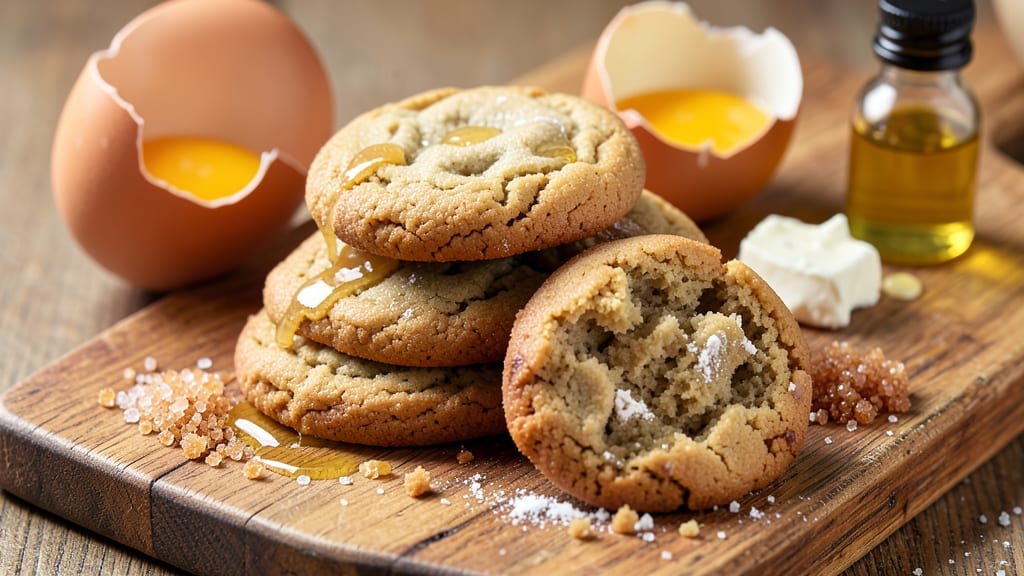
This Bisquick gluten-free cookie recipe delivers the perfect balance of crispy edges and chewy centers—without sacrificing flavor or texture. 💛 The secret lies in a double-bake technique that ensures caramelized edges while keeping the interior tender, all while using gluten-free Bisquick as the base.
What makes this recipe stand out is how it mimics classic cookies but adapts perfectly for gluten-free diets, so you won’t miss the wheat-based versions. The process is surprisingly simple: mix, shape, and bake in two stages.
First, you’ll bake the cookies until just set, then return them to the oven to achieve that signature crispness. This method guarantees cookies with a golden-brown crust and a soft, pillowy interior—exactly what you’d expect from a classic treat, but made gluten-free. The best part?
It only takes about 20 minutes of active time, making it a quick yet impressive dessert option. What you’ll end up with is a batch of cookies that’s hard to resist—crunchy around the edges with a tender center, all while being safe for gluten-sensitive diets.
The flavor is rich, buttery, and just sweet enough to satisfy any cookie craving. These cookies freeze beautifully too, so you can make a big batch and enjoy them all week. Whether you’re hosting a gathering or just craving a classic treat, this recipe delivers restaurant-quality results at home.
Let’s get baking!
Ingredients for bisquick gluten free cookie
Pantry staples plus a few gluten-free swaps for cookies that taste classic but bake perfectly.
| Ingredient | Amount | Notes |
|---|---|---|
| Gluten-Free Bisquick Mix 🍪 | 1 ½ cups | Check for xanthan gum inclusion |
| Unsalted Butter 🧈 | ¾ cup | Cold, cubed for texture |
| Granulated Sugar 🍚 | ½ cup | Light brown sugar works too |
| Packed Brown Sugar 🍚 | ¼ cup | For chewy centers |
| Large Eggs 🥚 | 2 whole | Room temperature preferred |
| Vanilla Extract 🌿 | 1 tsp | Pure extract, no imitation |
| Sea Salt 🧂 | ½ tsp | Fine grain preferred |
| Chocolate Chips 🍫 | 1 cup | Semi-sweet or milk chocolate |
| All-Purpose Flour 🌾 | ¼ cup | For extra structure |
| Baking Soda 🧪 | ½ tsp | Freshly opened package |
| Ground Cinnamon 🌶️ | ½ tsp | Optional, for warmth |
The gluten-free Bisquick is the star—King Arthur or Bob's Red Mill versions work best, but any trusted brand with xanthan gum will do. Butter matters here: cold, cubed cubes create that signature cookie texture. I always grab Land O'Lakes unsalted from the freezer section—it's reliable and stays cold longer. If you're using brown sugar, pack it tightly into the measuring cup for that perfect chewy center. The chocolate chips? Ghirardelli semi-sweet melts beautifully, but any good-quality brand works.
No gluten-free Bisquick? Mix 1 cup gluten-free flour blend with 1 tsp xanthan gum as a substitute. Short on brown sugar? White sugar plus 1 tsp molasses gets you close. Vanilla extract is non-negotiable here—imitation vanillawhite chocolate chips or chopped nuts. The baking soda needs to be fresh: if your package is over a year old, grab a new one. Trust me, stale baking soda ruins everything.
Double-baked cookies keep for 5 days in an airtight container at room temperature. For longer storage, freeze the baked cookies for up to 3 monthsziplock bags with parchment paper between layers so they don't stick. Reheat in the oven for 5 minutes at 300°F to restore that crispy edge.
Why You'll Love This Recipe
- I’ll be real: leftovers taste just as good as day one, and they’re easy to reheat. Plus, gluten-free Bisquick is a pantry staple that doesn’t break the bank—way cheaper than buying pre-made cookies. And since they bake in one tray, cleanup is a joke. It’s the kind of recipe that makes me feel smart for being lazy.
- Five-Ingredient Magic: I swear, this recipe is the kind of shortcut that makes me feel like a baking genius. Just mix the gluten-free Bisquick with softened butter, sugars, and an egg—no fancy techniques, no waiting for dough to rest. It’s the kind of recipe that turns "I don’t feel like baking" into "I’ll have cookies in 15 minutes."
- Butter-Sugar Crunch: Honestly, the combo of brown and granulated sugar with that rich butter makes these cookies ridiculously good. They’ve got this perfect chewy center with a crisp edge—like a hug from a bakery, but with way less guilt. And because it’s gluten-free, the texture still holds up without falling apart.
- Party-Proof Flexibility: Between us, these cookies work everywhere. Pack them in lunchboxes for the kids (they’ll disappear fast), bring them to a potluck where no one will guess they’re gluten-free, or just keep a batch in the freezer for when you’re craving something sweet. They’re the ultimate crowd-pleaser with zero stress.
Step-by-step instructions for Bisquick gluten-free cookies
Here's how to make these crispy-edged cookies in under 30 minutes—no fancy techniques needed.
👨🍳 Step 1: Mix Wet and Dry Ingredients Separately
In a large mixing bowl, cream together the 0.75 cup unsalted butter (cold cubes work best), 0.5 cup granulated sugar, and 0.25 cup packed brown sugar until light and fluffy—about 2-3 minutes with a hand mixer. You'll see the mixture nearly double in volume and turn pale. This step incorporates air, which helps create those beautiful caramelized edges.
In a separate small bowl, whisk together the 1.5 cups gluten-free bisquick mix, 0.25 cup all-purpose flour, 0.5 tsp baking soda, 0.5 tsp ground cinnamon, and 0.5 tsp sea salt. I like to sift this mixture lightly to prevent clumping—it makes a huge difference in texture. Keep both bowls handy for the next step.
🍳 Step 2: Combine Wet and Dry Ingredients
Add the 2 whole large eggs (room temperature if possible) and 1 tsp vanilla extract to the creamed butter mixture. Mix on low speed for 30 seconds until just combined. Then, gradually add the dry ingredient mixture while mixing on low speed. You want to combine everything just until no dry spots remain—overmixing develops gluten, which can make cookies tough.
Fold in the 1 cup chocolate chips using a silicone spatula. Be gentle here—you don't want to break up the chocolate. The dough will be soft and slightly sticky, but that's perfect for our double-bake method. If it feels too sticky to handle, chill it for 10 minutes while you preheat the oven.
🔥 Step 3: First Bake for Structure
Preheat your oven to 350°F. Line two baking sheets with parchment paper or silicone baking mats. Using a 2-tablespoon cookie scoop (or a large spoon), portion the dough onto the prepared baking sheets, spacing them 2 inches apart. The dough will spread slightly during baking, but not too much—this gives us that thick, chewy center we're after.
Bake for 10-12 minutes until the edges are just starting to turn golden but the centers still look slightly underdone. They'll continue cooking during the second bake. Remove from the oven and let them cool on the baking sheets for 5 minutes—this prevents them from cracking when you transfer them.
⏰ Step 4: Double-Bake for Crispy Edges
Here's where the magic happens: return the cookies to the oven for a second 8-10 minute bake at 350°F. This second bake caramelizes the sugars in the dough, creating those beautiful crispy edges while keeping the centers soft and chewy. Watch them closely—they should develop a deep golden-brown color with some areas turning almost amber.
I know it seems like too much baking time, but trust me—this double-bake method is what gives these cookies their signature texture. They'll look slightly underdone in the center when you take them out, but that's exactly what we want. Let them cool on the baking sheets for another 5 minutes before transferring to a wire rack to cool completely.
Pro Tips For Making Bisquick Gluten Free Cookie
- Chill the Dough First: The gluten-free mix behaves differently than regular flour—it spreads more and bakes faster. After mixing, pop the dough in the fridge for 20-30 minutes (yes, even if you’re impatient like me). This keeps the cookies from flattening into sad pancakes and gives you that perfect chewy center.
- Use Cold Butter, Not Soft: I learned this the hard way—soft butter makes gluten-free cookies greasy and spreads them into thin, crispy disappointments. Scoop the butter straight from the fridge, cut it into chunks, and let the mix work it into softness as you go. The texture stays together better, and the flavor doesn’t get lost in a buttery mess.
- Measure Brown Sugar Properly: Packed brown sugar isn’t just a suggestion—it’s non-negotiable for this recipe. If you scoop it loosely, your cookies will turn out dry and crumbly. Use a spoon to press it firmly into the measuring cup, then level it off. Trust me, your cookies will thank you with that perfect chew.
- Bake in Two Batches: Gluten-free cookies crowd the pan like teenagers at a sleepover—too many at once means uneven baking and sad, pale edges. Spread them 2 inches apart and bake in two batches if needed. The oven recovers faster, and you’ll end up with golden, evenly baked cookies instead of a sad, flat pile.
Health benefits of bisquick gluten free cookie
Gluten-Free Advantages
These cookies use gluten-free Bisquick, making them safe for anyone with celiac disease or gluten sensitivity. The recipe replaces wheat-based binders with xanthan gum (found in quality gluten-free mixes like King Arthur or Bob's Red Mill), which mimics gluten's structure while keeping cookies tender.
Unlike many gluten-free baked goods, these won't crumble or dry out—the double-bake method locks in moisture. 💛
Balanced Carbs
With 25g net carbs per serving (about 3 cookies), this recipe offers a satisfying sweet treat without spiking blood sugar. The brown sugar provides complex carbs that digest slower than white sugar, helping stabilize energy levels.
The all-purpose flour addition (just ¼ cup) adds structure without overpowering the gluten-free base.
Protein Boost
Each serving delivers 3g of protein from eggs and gluten-free mix, more than many traditional cookie recipes. The 2 large eggs bind ingredients together while adding richness without extra fat.
For extra protein, swap ½ cup chocolate chips for white chocolate chips with almonds—just ¼ cup almonds adds 4g more protein per serving.
Rich in Healthy Fats
The ½ cup unsalted butter provides saturated fats that support brain function and hormone production. For a heart-healthier option, replace ¼ cup butter with avocado oil (neutral flavor, high smoke point). The chocolate chips add monounsaturated fats from cocoa butter, which may improve cholesterol profiles when enjoyed in moderation.
Antioxidant Power
Dark semi-sweet chocolate chips (like Ghirardelli) contain flavonoids that combat oxidative stress. A 1-cup serving provides about 20% of your daily antioxidant needs. The cinnamon adds anti-inflammatory compounds, while vanilla extract contributes small amounts of phenolic compounds that support cellular health. 🌿
Customizable Nutrition
Need fewer carbs? Reduce brown sugar to ¼ cup and add 1 tbsp erythritol (sugar-free sweetener). For extra fiber, mix 2 tbsp ground flaxseed into the dry ingredients—it adds 3g fiber per serving without altering texture. These swaps keep the cookies gluten-free while adapting to different dietary needs.
Nutrition facts
Frequently asked questions
Can I substitute regular Bisquick for the gluten-free version?
No, you cannot substitute regular Bisquick—it contains wheat, which would defeat the purpose of a gluten-free recipe. The gluten-free version uses xanthan gum to bind ingredients, creating the same texture without gluten. If you're out of gluten-free Bisquick, mix 1 cup gluten-free flour blend with 1 tsp xanthan gum as a substitute.
Why do these cookies need a double bake?
The double-bake method is key for achieving crispy edges while keeping the centers soft and chewy. The first bake sets the structure, while the second bake caramelizes the sugars, creating that perfect texture. Skipping the second bake will leave your cookies undercooked and less flavorful.
Can I make these cookies without chocolate chips?
Swap the chocolate chips for white chocolate chips, crushed nuts, or even dried fruit like raisins or cranberries. For a classic twist, try sprinkles or toffee bits—just fold them in gently at the end to avoid overmixing.
How do I store these cookies to keep them fresh?
Store cookies in an airtight container at room temperature for up to 5 days. For longer storage, freeze them for up to 3 months. To reheat, place them in a 300°F oven for 5 minutes to restore crispiness. Wrap individually in plastic wrap to prevent sticking.
Why did my cookies spread too much?
Overmixing the dough or using warm butter can cause excessive spreading. To fix this, chill the dough for 10 minutes before baking, use cold butter, and portion the dough onto baking sheets just before placing in the oven. Also, ensure your oven is fully preheated to 350°F.