
Desserts
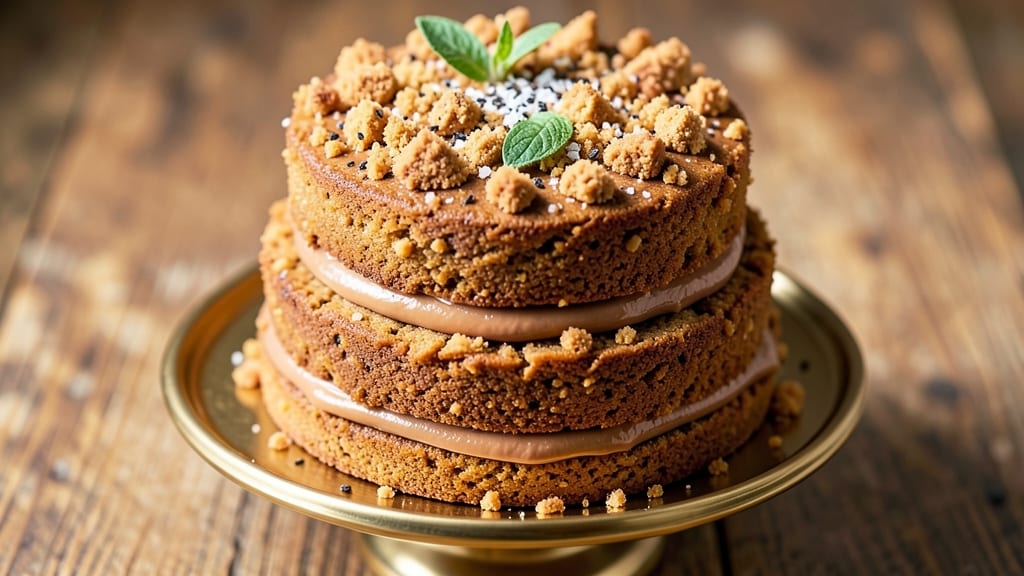
This brown butter cookie cake delivers layers of nutty depth and caramelized crunch that will change how you think about dessert. The key starts with perfectly browned butter—its rich, toasty aroma and complex flavor transform ordinary cookie cake into something extraordinary.
I developed this recipe after years of experimenting with butter browning techniques, and the difference is undeniable. What sets this apart is the texture: crispy cookie crumb layers between tender cake batter, all bound together with a velvety brown butter frosting.
The browning process caramelizes the butter's natural sugars, creating a flavor profile that's both sophisticated and comforting. Every bite delivers that perfect contrast of crispy, chewy, and tender elements.
The assembly technique ensures each layer stays distinct—cookie crumbs at the bottom for structure, cake batter in the middle for moisture, and another layer of crumbs before frosting. This method guarantees that every forkful includes all the textures and flavors. The result?
A cake that looks impressive but comes together with simple, repeatable steps. Perfect for celebrations or a special treat, this cookie cake stays moist for days and tastes even better the next day.
The nutty, caramelized notes make it ideal for fall gatherings, holidays, or whenever you crave something indulgent yet impressive. Let’s get baking!
Ingredients for brown butter cookie cake
The secret to this decadent brown butter cookie cake lies in perfectly browned butter and layered textures.
| Ingredient | Amount | Notes |
|---|---|---|
| Unsalted Butter 🧈 | 2 cups | Browned to deep amber color |
| All-Purpose Flour 🌾 | 3 cups | Sifted for light texture |
| Granulated Sugar 🍚 | 1 ½ cups | Superfine preferred for smoothness |
| Light Brown Sugar 🍚 | ½ cup | Packed firmly |
| Large Eggs 🥚 | 3 whole | Room temperature for even mixing |
| Vanilla Extract 🌿 | 1 tbsp | Pure Madagascar preferred |
| Baking Soda 🧂 | ½ tsp | Diamond Crystal preferred |
| Salt 🧂 | ½ tsp | Fine sea salt |
| Ground Cinnamon 🌶️ | 1 tsp | Freshly ground preferred |
| Toasted Walnuts 🥜 | 1 ½ cups | Chopped coarse for texture |
| Powdered Sugar 🍚 | 2 cups | For frosting |
| Heavy Cream 🥛 | ½ cup | Cold for whipping |
| Flaky Sea Salt 🧂 | ¼ tsp | For garnish |
The butter is non-negotiable—European-style unsalted butter like Plugrá or Land O'Lakes browns beautifully, developing that signature nutty aroma. Look for butter with at least 82% fat content for optimal browning. Plugrá from specialty stores or Whole Foods delivers the most flavor, but don't stress if you only have regular butter. The key is patience: brown it slowly over medium heat, stirring constantly until it reaches deep amber with nutty fragments. For the walnuts, toast them in the same butter after browning—this infuses their flavor and reduces waste. If you're short on time, store-bought toasted walnuts work, but fresh toasted always tastes superior.
No vanilla extract? Vanilla bean paste or even a scraped vanilla bean will work in a pinch. For the sugars, superfine sugar dissolves faster, but regular granulated sugar works if pulsed briefly in a food processor. The frosting requires heavy cream—don't substitute with whipping cream, as it won't whip as stiff. If you're making this ahead, whip the frosting last to maintain its airiness. The flaky sea salt is essential for balancing the sweetness—Maldon or Jacobsen brands are ideal, but any flaky salt will do. For a gluten-free version, swap the all-purpose flour for a 1:1 gluten-free baking flour blend, but expect a slightly denser texture.
The browned butter can be stored in an airtight container in the fridge for 1 week or frozen for 3 months—just reheat gently before using. The cookie crumbs stay fresh for 5 days at room temperature in an airtight container, while the cake batter can be refrigerated for 2 days before baking. The assembled cake keeps well in the fridge for 4 days, though it's best enjoyed within 2 days for optimal texture. For gifting, wrap tightly in plastic wrap and secure with a ribbon. The frosting should be made fresh before serving, as it softens slightly at room temperature.
Why You'll Love This Recipe
- No-Fuss Mixing: I swear, this comes together faster than my coffee brews. Just cream butter, sugars, and eggs—no food processor, no weird steps. The dough’s thick but forgiving, so even if you eyeball the flour, it’ll still hold together.
- Rich, Nutty Magic: That brown butter? Chef’s kiss. The toasted aroma alone makes my kitchen smell like a bakery, and the flavor? Deep, caramelized sweetness that turns ordinary cookies into something special. (Yes, even my picky husband asks for seconds.)
- Crowd-Pleaser Any Day: Serve it warm with ice cream for dessert, slice it thin for breakfast pastries, or pack it in lunchboxes—kids and adults will devour it. Honestly, I’ve made it for book clubs, potlucks, and lazy Sundays, and it never disappoints.
- Leftovers That Last: The cake keeps well for days (if it lasts that long), and slices reheat beautifully. Between us, I’ve even frozen portions—just thaw and enjoy. Plus, using pantry staples means I’m not scrambling for obscure ingredients.
Step-by-step instructions for brown butter cookie cake
This method delivers layers of caramelized butter flavor with a perfect crumb and nutty texture.
Brown the Butter to Deep Amber
Melt the 2 cups unsalted butter in a heavy saucepan over medium-low heat, stirring constantly with a wooden spoon. Watch closely as the butter foams and bubbles—this is when the milk solids begin to toast. When the foam subsides and the butter develops a rich, nutty aroma with golden flecks, increase heat to medium and continue cooking until the butter reaches a deep amber color with visible browned bits.
This process takes about 8-10 minutes total. Immediately pour the browned butter into a heatproof bowl and let it cool for 10 minutes while you prepare the rest of the ingredients. The butter should solidify slightly but remain soft enough to mix with other ingredients. If it hardens completely, gently warm it in 10-second bursts in the microwave to restore workability.
Cream Butter with Sugars and Mix Dry Ingredients
In a stand mixer fitted with the paddle attachment, beat the cooled browned butter with the 1.5 cups granulated sugar and 0.5 cup light brown sugar on medium speed for 3-4 minutes until light and fluffy. Scrape down the sides of the bowl as needed to ensure even creaming. The mixture should nearly triple in volume and become pale and airy—this incorporates air that will create the cake's tender crumb.
In a separate bowl, whisk together the 3 cups all-purpose flour, 0.5 teaspoon baking soda, 0.5 teaspoon salt, and 1 teaspoon ground cinnamon. Sift the dry ingredients through a fine-mesh sieve directly into the bowl to aerate them further. This prevents dense pockets in the final cake.
Combine Wet and Dry Ingredients in Layers
With the mixer on low speed, gradually add one-third of the dry ingredients to the butter-sugar mixture, mixing just until combined. Add half of the 3 whole large eggs, beaten separately, followed by 1 tablespoon vanilla extract. Repeat the process with another third of the dry ingredients, then the remaining eggs. Finish by adding the last third of dry ingredients and mixing until just combined—do not overmix.
Fold in the 1.5 cups toasted walnuts using a rubber spatula, ensuring even distribution throughout the batter. The walnuts should be evenly dispersed but not crushed. The batter will be thick and slightly sticky, resembling cookie dough. Divide the batter evenly between two 8-inch round cake pans, lined with parchment paper and lightly greased with butter.
Bake Until Golden and Set
Preheat your oven to 350°F. Bake the cakes for 25-30 minutes, or until a toothpick inserted into the center comes out with a few moist crumbs but no wet batter. Rotate the pans halfway through baking for even browning. The edges should be golden brown while the tops remain slightly soft to the touch.
Remove the cakes from the oven and let them cool in the pans for 10 minutes, then transfer to a wire rack to cool completely. While the cakes cool, prepare the frosting by whipping the 2 cups powdered sugar with the 0.5 cup cold heavy cream until smooth and spreadable. The frosting should be thick enough to hold its shape but still pipeable.
Assemble and Garnish for Presentation
Once completely cooled, level the tops of the cakes if necessary. Place one cake layer on a serving plate and spread a generous layer of the prepared frosting. Place the second cake layer on top and spread remaining frosting over the top and sides. Use an offset spatula to create smooth sides and a slightly domed top for an elegant finish.
Garnish with the 0.25 teaspoon flaky sea salt sprinkled lightly over the top for a contrast of sweet and salty flavors. The cake should have a rich, caramelized butter aroma with hints of toasted walnuts. Serve in slices at room temperature for the best texture and flavor experience.
Pro Tips For Making Brown Butter Cookie Cake
- Brown Butter Fully: The golden, nutty aroma is worth the wait—don’t rush it. Cook the butter over medium heat until it’s a deep, foamy brown with flecks of toasted bits (about 5-7 minutes). If it starts smoking or turns black, you’ve gone too far and lost that rich flavor.
- Chill the Dough: I learned this the hard way—skip it, and your cake will spread like a pancake. Wrap the dough in plastic and refrigerate for at least 30 minutes (or up to 24 hours). The cold butter stays firm, and the texture turns out tender, not greasy.
- Measure Flour Right: No more guessing: spoon the flour into the measuring cup and level it off with a knife. Packing it down (like some recipes say) makes the cake dense. This recipe relies on the flour’s structure—don’t mess with it unless you want a brick.
- Rotate the Pan: The oven’s hot spots are real, and your cake’s edges will brown unevenly if you don’t move it. After 20 minutes, swap the pans front to back and side to side. This ensures even baking, especially if your oven runs hotter on one side.
Wine and beer pairings for this brown butter cookie cake
Rich Butter Pairings
The nutty depth of brown butter in this cookie cake pairs beautifully with buttery, medium-bodied wines. A Chardonnay from California's Sonoma Coast—like La Crema or Kendall-Jackson—complements the caramelized notes perfectly. The wine's stone fruit flavors and subtle oak enhance the cake's toasty richness. 🍷
Spiced Red Options
For a bolder match, try a Pinot Noir with earthy undertones, such as Meiomi or Bogle Vineyards. The red fruit notes balance the sweetness while the spice in the cake's cinnamon harmonizes with the wine's tannins. Serve slightly chilled for a refreshing contrast.
Creamy Beer Selections
A Belgian-style witbier like Hoegaarden or Stella Artois cuts through the cake's richness with its citrusy, coriander notes. The effervescence cleanses your palate between bites. For a richer option, try a Belgian dubbel like Westmalle Dubbel, whose caramel and raisin flavors mirror the cake's brown butter depth. 🍺
Coffee Pairing
Finish with a dark roast coffee (like Peet's Major Dickason's Blend) to enhance the cake's nutty flavors. The bitterness of the coffee balances the sweetness, while the caramel notes in the cake echo the coffee's roasted depth. Serve the cake slightly warm for the best experience.
Seasonal Adaptations
In fall, a Spätlese Riesling from Germany—such as Dr. Loosen Blue Slate—adds a touch of honeyed sweetness that complements the cake's caramelized butter. For winter gatherings, a Port-style wine like Taylor's Late Bottled Vintage brings a rich, velvety texture that pairs beautifully with the cake's layers. 🍷
Nutrition facts
Frequently asked questions
Why does brown butter make such a difference in this cookie cake?
The browning process caramelizes the butter's natural sugars, creating a complex, nutty flavor that's far more sophisticated than regular butter. This adds depth to every bite—think toasted walnut and caramel notes that elevate the cake from ordinary to extraordinary. The rich aroma alone makes it irresistible!
Can I make this cake in a single layer instead of two?
Yes, but you'll need to adjust baking time and pan size. Use an 8-inch round pan and bake for 35-40 minutes at 350°F. For a single-layer cake, reduce the batter by half and add an extra 0.5 cup of cookie crumbs on top before baking for enhanced texture. The frosting amount should stay the same.
How do I fix burnt butter when browning?
If your butter turns too dark or starts smoking, immediately remove it from heat and let it cool slightly. The burnt bits can be strained out using a fine-mesh sieve before using. For future attempts, keep heat at medium-low and stir constantly—never walk away while browning! The goal is deep amber, not blackened butter.
Can I substitute walnuts for another nut?
Pecans or hazelnuts work beautifully—they'll add their own unique flavors. For best results, toast them first (same method as walnuts) to enhance their natural oils and nuttiness. Almonds are another good option, though they're slightly milder. Just chop them coarsely for texture contrast.
How far ahead can I prepare the cookie crumbs?
Cookie crumbs stay fresh for 5 days at room temperature in an airtight container. For longer storage, freeze them for up to 3 months. Thaw completely before using—cold crumbs won't crisp up properly when baked. The frosting should be made fresh before serving for best texture, but the assembled cake keeps well in the fridge for 4 days.