
Desserts
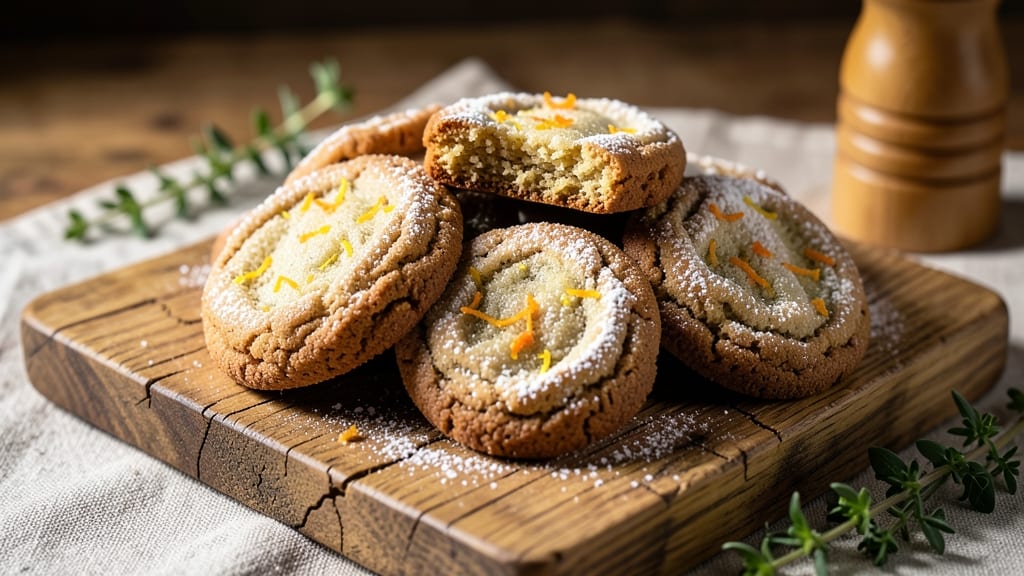
This butter cookie recipe without vanilla extract delivers bright, bold flavor using citrus zest instead—no artificial extracts needed. 💛 The secret lies in balancing buttery richness with zesty lemon or orange, creating cookies that taste like sunshine with every bite.
I developed this version after realizing vanilla wasn't essential for classic butter cookie texture, and the citrus actually enhances the dough's natural sweetness.
What makes these cookies special is their foolproof technique: room-temperature butter creates tender crumb, while proper dough chilling prevents spreading. The citrus zest infuses flavor without overpowering, and a touch of almond extract adds depth for that traditional butter cookie profile.
You'll end up with cookies that are crisp at the edges and perfectly soft in the center—just like your favorite bakery version, but with a fresh twist.
These cookies are perfect for holiday baking, gift-giving, or satisfying that afternoon craving. The recipe yields about 24 cookies, and the dough can be prepped ahead for convenience.
Whether you're avoiding vanilla for dietary reasons or simply want to explore new flavor combinations, this recipe proves you don't need extracts to create exceptional butter cookies.
Ready in just 30 minutes of active time (plus 1 hour of chilling), this recipe is ideal for busy bakers. The dough's versatility means you can shape them into classic rounds, festive cutouts, or even drop cookies—all with that signature buttery flavor you love. Let's get baking!
Ingredients for butter cookie recipe without vanilla extract
Bright citrus zest and rich butter create these buttery cookies without vanilla.
| Ingredient | Amount | Notes |
|---|---|---|
| Unsalted Butter 🧈 | 1 cup | Room temperature for mixing |
| Granulated Sugar 🍚 | ¾ cup | Superfine preferred for smooth texture |
| Light Brown Sugar 🍚 | ½ cup | Packed for accurate measurement |
| Large Eggs 🥚 | 2 whole | Room temperature for even baking |
| Lemon Zest 🍋 | 1 tbsp | Freshly grated for bright flavor |
| Orange Zest 🍊 | 1 tbsp | Freshly grated for citrus depth |
| Almond Extract 🌿 | ½ tsp | Pure almond flavor, not imitation |
| All-Purpose Flour 🌾 | 2 ½ cups | Sifted for light texture |
| Diamond Crystal Kosher Salt 🧂 | ½ tsp | Fine grain preferred |
| Baking Soda 🧪 | ¼ tsp | Ensures proper rise |
| Cornstarch 🌾 | ¼ tsp | For tender crumb |
The butter is non-negotiable—Plugrá or Land O'Lakes work best for that perfect balance of richness. Room temperature is key: take it out of the fridge 1 hour before mixing. For zest, grab organic lemons and oranges—thicker skins yield more flavor. Whole Foods or local markets usually carry the juiciest citrus. If you can't find organic, regular works fine, just make sure the zest is vibrant, not dull or bitter. The almond extract should smell potent—McCormick or Goya brands are reliable.
No lemon or orange zest? Lime zest works in a pinch, though it's more intense. Short on almond extract? Vanilla extract at half the amount is a decent backup (but we're avoiding it here!). The flour matters too—King Arthur or Gold Medal brands bake evenly. For extra richness, swap 2 tbsp of the butter for melted white chocolate chips. And if you're feeling fancy, add 1 tbsp of turbinado sugar for crunchy edges. The cornstarch keeps these tender, but if you're out, extra flour works too.
Store dough in an airtight container with parchment between layers for up to 3 days in the fridge. For longer storage, freeze shaped dough balls for 3 months. Baked cookies stay fresh 5 days in a sealed tin. Pro tip: let cookies cool 10 minutes before transferring—they crisp up as they cool. These reheat beautifully: 5 seconds in the microwave brings back that bakery-fresh warmth.
Why You'll Love This Recipe
- No Vanilla Needed: I swear by this trick—lemon zest does the brightening job vanilla usually does, and it’s way fresher. The butter and brown sugar combo gives that classic richness, but the citrus cuts through it like a breath of air.
- Five-Ingredient Magic: Honestly, this is my go-to when I’ve forgotten everything but butter, sugar, and eggs. Cream the butter with sugars until it’s fluffy (no mixer? Use a fork—it works), crack in the eggs, and fold in that zest. That’s it. No fuss, no stress.
- Last-Minute Hosting Win: Between us, these cookies are my secret weapon for potlucks or coffee dates. Bake a tray fresh, and they’re warm, buttery perfection—no one will guess they’re vanilla-free. (Yes, even on a Tuesday night.)
- Week-Long Cookie Stash: I make a double batch and freeze half. Pull out what you need when cravings hit—no sad, dry cookies here. The lemon zest keeps them tasting bright even after days in the jar. Budget-friendly? Absolutely. Reliable? You bet.
Step-by-step instructions for citrus zest butter cookies
Here's how to make these vibrant cookies with bold citrus flavor and perfect texture.
👨🍳 Step 1: Cream Butter and Sugars for Maximum Fluffiness
In a stand mixer fitted with the paddle attachment, beat the 1 cup unsalted butter on medium speed until completely smooth and free of lumps—about 1-2 minutes. This ensures even mixing later. Gradually add the 0.75 cup granulated sugar and 0.5 cup light brown sugar, mixing continuously for 3-4 minutes until the mixture is light and fluffy.
You'll know it's ready when the mixture nearly doubles in volume and turns pale—this incorporates air that creates those signature crackly tops. I press down gently with a spatula to check for smoothness. Here's the thing—don't rush this step. Under-creaming leads to dense cookies instead of the tender, melt-in-your-mouth texture we want.
🍳 Step 2: Add Eggs, Zest, and Almond Extract
Add the 2 whole large eggs, one at a time, mixing on low speed for 30 seconds after each addition. This prevents the eggs from breaking. Stir in the 1 tablespoon lemon zest, 1 tablespoon orange zest, and 0.5 teaspoon almond extract until fully combined—about 1 minute total. The citrus zest should be evenly distributed, giving the dough its signature bright color.
I always use freshly grated zest for maximum flavor impact. The almond extract adds depth without overpowering the citrus notes. If you're worried about the bright color, don't be—the flavor is worth it, and the cookies will have beautiful golden streaks from the zest.
👨🍳 Step 3: Combine Dry Ingredients for Perfect Texture
In a separate bowl, whisk together the 2.5 cups all-purpose flour, 0.5 teaspoon diamond crystal kosher salt, 0.25 teaspoon baking soda, and 0.25 teaspoon cornstarch. Sift the dry ingredients directly into the wet mixture while mixing on low speed for 30-45 seconds until just combined. You should still see a few flour streaks—this prevents tough cookies.
Real talk: Over-mixing develops gluten, which makes cookies tough. Stop mixing as soon as the flour disappears. The dough will be slightly sticky but manageable. If it's too sticky to handle, chill it for 10 minutes before proceeding. This step ensures that tender crumb we're after.
⏰ Step 4: Chill and Shape for Perfect Cookies
Divide the dough into 24 equal portions (about 1.5 tablespoons each) and roll them into balls. Place them on a parchment-lined baking sheet, spacing them 2 inches apart. Cover the baking sheet with plastic wrap and refrigerate for at least 30 minutes—I prefer 1 hour for best results.
Chilling is non-negotiable here. It prevents excessive spreading in the oven and helps develop the flavor. The dough will firm up nicely, making it easier to handle when you're ready to bake. If you're short on time, you can freeze the dough balls for up to 1 month—just bake straight from frozen, adding 2-3 minutes to the baking time.
🔥 Step 5: Bake to Golden Perfection
Preheat your oven to 350°F and line a second baking sheet with parchment paper. Bake the chilled dough balls for 11-13 minutes until the edges are golden brown and the centers still look slightly underdone. They'll continue cooking on the hot pan after you remove them from the oven.
Watch carefully—they'll go from perfect to overdone fast. When you pull them out, let them cool on the baking sheet for 5 minutes before transferring to a wire rack. This resting period prevents cracking and helps set the shape. Serve warm for the ultimate experience—each bite will deliver that bright citrus flavor with a tender, buttery crumb.
Pro Tips For Making Butter Cookie Recipe Without Vanilla Extract
- CREAM THE BUTTER COLD: Take your butter straight from the fridge—no thawing—and beat it with the sugars until it’s just starting to lighten. I used to let it sit out, thinking it’d be easier, but cold butter incorporates faster and gives those cookies a tighter crumb. (Yes, even if you’re impatient like me.)
- ZEST THE LEMON FRESH: Skip the pre-grated zest—it’s often bitter and dull. Use a microplane on a chilled lemon (cold zest is more aromatic) and measure it out. Too much zest makes the dough taste like soap; stick to about 1 teaspoon for the whole batch.
- CHILL THE DOUGH LONGER: Dump the dough into a single disk, wrap it tightly in plastic, and refrigerate for at least 24 hours. I learned this the hard way—rushed dough spreads like a pancake. The wait makes the cookies chewier and the flavor deeper, even without vanilla.
- USE LIGHT BROWN SUGAR: Don’t swap in dark brown sugar unless you want a molasses-heavy, almost cakey texture. Light brown sugar adds moisture and a subtle caramel note without overpowering the lemon. Pack it lightly into the measuring cup—it’s denser than you think.
Best sauces and condiments for this dish
Citrus Glaze Magic
Drizzle the warm cookies with a simple citrus glaze made from ½ cup powdered sugar and 1 tablespoon freshly squeezed lemon juice. Thin with 1 teaspoon water if needed, then spoon over cookies right after baking.
This adds a sweet-tart finish that complements the zest beautifully. For extra sparkle, add ½ teaspoon turbinado sugar to the glaze before drizzling. 🌟
Salted Caramel Dip
Create a salted caramel dip by heating ½ cup heavy cream and ½ cup granulated sugar in a saucepan until sugar dissolves. Add 2 tablespoons unsalted butter and ¼ teaspoon flaky sea salt, stirring until smooth.
Let cool slightly, then serve warm with cookies for a decadent contrast. This balances the citrus brightness with rich, salty sweetness.
Vanilla Bean Swirl
For a subtle vanilla alternative, scrape ½ teaspoon vanilla bean paste (not extract) into the dough after mixing wet ingredients. The tiny seeds create delicate swirls that mimic vanilla's aroma without overpowering the citrus.
I recommend Madagascar vanilla bean paste from Penzeys for the best flavor. This works especially well if you want to keep the recipe vanilla-free but still add depth.
Spiced Honey Drizzle
Combine ¼ cup honey, ½ teaspoon ground cinnamon, and ¼ teaspoon cayenne pepper for a warm, slightly spicy drizzle. Heat gently until smooth, then drizzle over cooled cookies.
The honey enhances the citrus while adding a subtle warmth that pairs perfectly with the buttery texture. Store-bought honey works, but raw local honey adds even more depth.
Chocolate Ganache
Melt ½ cup dark chocolate chips (70% cocoa) with 2 tablespoons heavy cream over a double boiler. Let cool until thickened, then drizzle over cookies. For extra flair, sprinkle with crushed hazelnuts or flaky salt.
This adds a luxurious contrast that makes the citrus flavors pop even more. I love using Ghirardelli dark chocolate** for its rich, balanced taste.
Nutrition facts
Frequently asked questions
Can I substitute lemon zest for orange zest in this recipe?
Yes, you can use either! For maximum brightness, use 1.5 tablespoons lemon zest and reduce orange zest to 0.5 tablespoon. If you prefer a milder flavor, swap them completely—just adjust the total to 2 tablespoons zest total. The key is freshness: zest should look vibrant, not dried or bitter.
Why does my dough keep sticking to my hands?
This happens when the dough isn't properly chilled or if the butter isn't at room temperature. First, ensure your butter is soft but not melted (it should leave a slight indentation when pressed). If the dough is still sticky after mixing, chill it for 15-20 minutes before shaping. Lightly flour your work surface and use wet hands to prevent sticking.
Can I make these cookies without almond extract?
Skip it entirely for a more citrus-forward flavor, or substitute with 0.5 teaspoon bourbon or 0.5 teaspoon orange blossom water for depth. If you want to mimic vanilla's warmth, add 0.25 teaspoon ground cinnamon or 0.25 teaspoon cardamom to the dry ingredients. The cookies will still taste amazing—just with different notes!
How do I prevent my cookies from spreading too much?
Chilling the dough is your best defense! Shape the dough balls, then refrigerate them for 1 hour (or freeze for 15 minutes if short on time). Also, use superfine sugar (or pulse regular sugar in a food processor) for faster melting. Bake on the middle rack of your oven and avoid opening the door during the first 10 minutes of baking.
Can I use this dough for cut-out cookies?
Yes, but with one adjustment: roll the chilled dough to ¼-inch thickness and use sharp cookie cutters. For best results, freeze the dough for 10 minutes before cutting to prevent sticking. Place shapes on a baking sheet with 1-inch spacing and bake for 10-12 minutes (edges should be golden). Let them cool completely before decorating—they firm up as they cool!