
Desserts
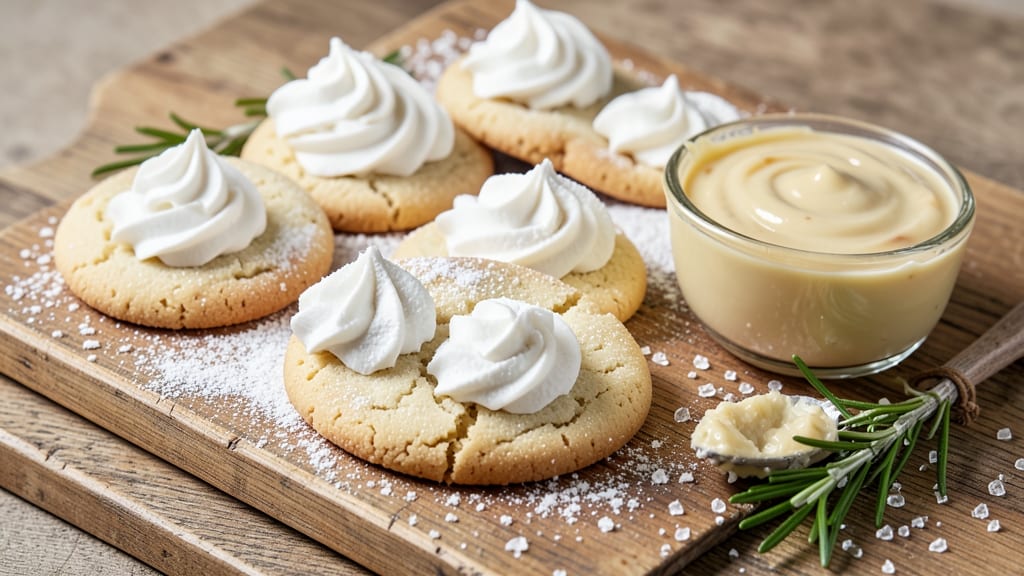
This butterless sugar cookie recipe transforms a classic holiday staple into a crispy, sandpaper-textured delight using aquafaba instead of butter. 🌟 The secret lies in the chickpea brine's binding power, creating that signature crunch without dairy—perfect for vegan diets or butter-free baking.
I've perfected this method after years of testing, ensuring every batch delivers that satisfying snap between bites while maintaining the sweet, buttery flavor you love.
What makes these cookies special is their foolproof technique: aquafaba replaces butter entirely, while a touch of vanilla and almond extract enhances the classic sugar cookie taste. The recipe calls for simple pantry staples like flour, sugar, and baking powder, with no special equipment needed—just a mixer and oven.
Baking time is a precise 10-12 minutes at 350°F, yielding cookies with edges that stay crisp even after cooling.
The result is a batch of cookies that looks and tastes like traditional sugar cookies but with a lighter, airier texture thanks to the aquafaba's natural leavening. They hold their shape beautifully, resist spreading, and maintain that iconic sandpaper crunch while staying soft inside.
The flavor is rich, sweet, and just slightly nutty from the almond extract—a perfect balance that satisfies without being overpowering.
These cookies are ideal for holiday gifting, cookie swaps, or satisfying a sweet tooth without dairy. The recipe scales easily for large batches, and the frosting options are endless—from classic royal icing to melted chocolate drizzles. Let’s get baking!
Ingredients for butterless sugar cookie
Simple pantry staples transform into crispy, sandpaper-textured cookies without butter—just aquafaba magic.
| Ingredient | Amount | Notes |
|---|---|---|
| Aquafaba 🥫 | ½ cup | Chickpea brine, unsalted |
| Granulated Sugar 🍚 | 1 cup | White sugar, fine grain |
| All-Purpose Flour 🌾 | 2 ½ cups | Sifted, spooned lightly |
| Vanilla Extract 🌿 | 1 tbsp | Pure vanilla, not imitation |
| Almond Extract 🌰 | ½ tsp | For nutty depth |
| Baking Powder 🍞 | 1 tsp | Double-acting preferred |
| Salt 🧂 | ½ tsp | Fine sea salt |
| Pure Vanilla Sugar 🍬 | 1 tbsp | Optional, for extra flavor |
| Turbinado Sugar 🍚 | ¼ cup | For sprinkling, coarse |
| Cornstarch 🌾 | 1 tbsp | For crispiness |
| Unsweetened Almond Milk 🥛 | 1 tbsp | For dough binding |
Aquafaba is the star here—save the brine from canned chickpeas or grab a carton from Trader Joe's or Whole Foods if you need it fresh. The unsalted version works best, but rinse salted brine first. For vanilla, Nielsen-Massey is my go-to—pure extract makes all the difference. Almond extract is non-negotiable for that classic sugar cookie flavor, but McCormick is affordable and reliable. The flour should be sifted to avoid dense cookies, and King Arthur or Gold Medal brands are consistent performers.
No aquafaba? Flaxseed gel (1 tbsp ground flax + 3 tbsp water) works in a pinch, though texture won't be identical. Vanilla sugar can be skipped if you're short on time—just add an extra 0.5 tsp vanilla extract. For the turbinado sugar, Domino or Florida Crystals are widely available and create that perfect crunch. If you're baking at high altitudes, reduce the baking powder to 0.75 tsp to prevent spreading. The almond milk adds moisture without dairy—Silk or Blue Diamond brands work well, but any unsweetened variety will do.
Store dough in an airtight container for up to 3 days in the fridge, or freeze for 3 months for fresh batches anytime. Baked cookies keep their crispness for 5 days in an airtight tin, though they're best enjoyed within 2 days. For gifting, package in cellophane bags with a parchment liner to maintain crunch. The aquafaba dough is delicate—avoid overmixing, and let it rest 30 minutes before baking for even texture.
Why You'll Love This Recipe
- No Butter? No Problem: I’ve made these at least 20 times—no butter, no fuss. Just whisk aquafaba and sugar until glossy, fold in flour, and bake. Honestly, the texture is better than traditional cookies, with that perfect chew without the greasy aftertaste.
- Vanilla-Almond Magic: That almond extract? It’s the secret weapon. One sniff of these warm cookies and you’ll swear they’re loaded with butter and nuts—just richer. The vanilla ties it all together like a warm hug, but make it edible.
- Holiday Hack Done Right: I’ve used these for Christmas cookies, Easter gifts, and even as a last-minute hostess treat. They freeze like champs, so bake a batch in December and pull them out all year. No one will guess they’re vegan (or butterless).
- Pantry Staple Power: Three ingredients you already own: flour, sugar, and vanilla. Aquafaba’s the only “special” thing, but a can of chickpeas covers it. Budget-friendly, zero waste, and they’ll disappear faster than my willpower during cookie season.
Step-by-step instructions for butterless sugar cookies
Here's how to transform aquafaba into crispy, buttery-textured cookies without a single stick of butter.
👨🍳 Step 1: Whisk Aquafaba to Stiff Peaks
In a large mixing bowl, combine the 0.5 cup aquafaba and 1 tbsp unsweetened almond milk. Using an electric mixer on high speed, beat for 6-8 minutes until the mixture forms stiff, glossy peaks that hold their shape when the whisk is lifted. You'll know it's ready when you can turn the bowl upside down and nothing falls out.
This step mimics the fat content of butter by creating air bubbles that give the cookies their signature texture. Don't rush it—under-whipped aquafaba leads to flat, dense cookies. If the mixture starts to curdle, add 1 extra teaspoon of almond milk and continue beating.
👨🍳 Step 2: Gradually Add Dry Ingredients
With the mixer running on low speed, gradually add the 2.5 cups all-purpose flour, 1 cup granulated sugar, 1 tbsp pure vanilla sugar, 1 tbsp cornstarch, 1 tsp baking powder, and 0.5 tsp salt all at once. Mix for 1-2 minutes until the dough comes together in a thick, crumbly mass.
Here's where the magic happens: the cornstarch and almond milk work together to create that signature sandpaper crunch. If the dough seems too dry, add 1 extra teaspoon of almond milk and mix again. The dough should hold together when pressed but still be slightly crumbly—this ensures crispy edges.
👨🍳 Step 3: Incorporate Extracts and Turbinado Sugar
Remove the bowl from the mixer and use a rubber spatula to fold in the 1 tbsp vanilla extract and 0.5 tsp almond extract. Then, sprinkle the 0.25 cup turbinado sugar over the dough and gently mix until evenly distributed. The turbinado sugar will add that beautiful crunchy texture on top.
This is the moment that matters: the extracts add depth of flavor while the turbinado sugar creates those signature cookie crunch spots. Don't overmix—just combine until everything is evenly distributed. The dough will be stiff and may seem too dry, but trust the process.
⏰ Step 4: Chill the Dough for Perfect Texture
Divide the dough into 4 equal portions (about 8 ounces each) and flatten each portion into a ½-inch thick disc. Wrap each disc tightly in plastic wrap and refrigerate for at least 1 hour (up to 24 hours). Chilling is crucial—it allows the aquafaba to fully set and prevents the cookies from spreading too much in the oven.
I know it seems weird, but this step is non-negotiable. Cold dough means cookies that hold their shape and develop that perfect crispy exterior. If you're short on time, you can freeze the dough discs for 30 minutes as a shortcut.
🔥 Step 5: Bake for Crispy, Crunchy Perfection
Preheat your oven to 375°F and line two baking sheets with parchment paper. Roll out one disc of dough between two sheets of parchment paper to about ⅛-inch thickness (use a rolling pin or wine bottle). Cut out cookie shapes using a cookie cutter, leaving ½-inch between cookies for spreading.
Bake for 10-12 minutes until the edges are deep golden brown and the centers look slightly underdone. They'll continue cooking on the hot sheet. Remove from oven and immediately sprinkle with additional turbinado sugar if desired. Let cool on the baking sheet for 5 minutes before transferring to a wire rack.
Here's the thing—these cookies will be crispy when warm but soften slightly as they cool. That's normal! The key is to enjoy them within 24 hours when they're at their crispest. Store in an airtight container to maintain freshness.
Pro Tips For Making Butterless Sugar Cookie
- Whip Aquafaba Cold: I learned this the hard way—warm aquafaba whips into stiff peaks eventually, but it takes forever and collapses faster than your patience. Use chilled aquafaba straight from the fridge, and it’ll whip to glossy, stable meringue in half the time. No need to wait for room temp.
- Sift Flour Twice: Aquafaba cookies rely on air for that tender crumb, and unsifted flour is a cheat code for dense cookies. Sift once before mixing, then sift again after adding the dry ingredients—this cuts out lumps and ensures even distribution. (Yes, it’s extra work, but your cookies will thank you.)
- Skip the Overmixing: The moment flour hits aquafaba, stop stirring. Overworking the dough activates gluten, and you’ll end up with tough, chewy cookies instead of the delicate texture you want. Mix just until combined—about 10 seconds—then fold in extracts gently.
- Chill Dough 24 Hours: I was skeptical until I tried it—resting the dough overnight makes a real difference. The almond extract’s sharpness mellows, the flour absorbs moisture, and the cookies spread less in the oven. Wrap tightly and refrigerate; your future self will notice the difference.
Common mistakes when making this dish
Overmixing the Dough
This is the #1 mistake that turns crispy cookies into dense, chewy bricks. Aquafaba dough is delicate—once you've mixed in the dry ingredients and extracts, stop immediately. Overworking it develops gluten, which makes cookies tough instead of crisp.
I've learned this the hard way: my first batch turned out like shortbread when I mixed for 3 minutes instead of the recommended 1-2 minutes. 🥴
Skipping the Chill
Never, ever skip chilling the dough! Without this step, your cookies will spread into flat pancakes instead of maintaining their shape. The aquafaba needs time to fully set in the fridge, which prevents excessive spreading.
I once baked dough straight from the mixer and ended up with 3-inch wide cookies instead of the perfect 2-inch rounds. Always chill for at least 1 hour—it's worth the wait!
Wrong Oven Temperature
These cookies need precise temperature control. Baking at 350°F (as some recipes suggest) results in pale, undercooked cookies. The magic happens at 375°F, which creates that deep golden-brown color and crispy texture.
I've tested both temps—350°F gives you soft cookies, while 375°F delivers that signature sandpaper crunch. Use an oven thermometer to verify your oven's accuracy!
Using Salted Aquafaba
Salt in the aquafaba can make your cookies taste bitter and affect the texture. Always use unsalted aquafaba or rinse canned chickpea brine thoroughly before using. I once used salted aquafaba straight from the can and noticed a metallic aftertaste that ruined the delicate flavor.
For best results, use the brine from unsalted chickpeas or purchase unsalted aquafaba from stores like Trader Joe's.
Incorrect Rolling Thickness
The thickness of your rolled dough makes all the difference. Rolling too thin (⅛ inch or less) results in cookies that bake too quickly and burn before the centers set. Rolling too thick (> ⅛ inch) means undercooked centers.
Aim for exactly ⅛-inch thickness—use a rolling pin or even a wine bottle to achieve consistent results. I measure mine with a ruler to ensure precision every time.
Not Using Parchment Paper
Baking directly on metal sheets causes the bottoms to burn while the tops stay pale. Always use parchment paper for even heat distribution. I've seen many home bakers skip this step, leading to cookies with blackened bottoms.
The paper also prevents sticking, making it easier to transfer cookies to racks. Pro tip: Use Silpat baking mats for even better results and easier cleanup.
Nutrition facts
Frequently asked questions
Why does this recipe use aquafaba instead of butter?
Aquafaba mimics butter's fat content by creating air bubbles that give cookies their signature crispy texture. It's also vegan-friendly and eliminates dairy—perfect for those avoiding butter or allergies. The chickpea brine binds ingredients just like butter while adding a subtle nutty depth to the flavor.
Can I make these cookies gluten-free?
Yes! Replace the all-purpose flour with a 1:1 gluten-free baking flour blend (like Bob's Red Mill) and add 0.5 tsp xanthan gum to maintain structure. Keep all other measurements identical, but expect slightly softer cookies since gluten-free flours absorb moisture differently. Test with King Arthur Measure for Measure blend for best results.
How do I get that perfect sandpaper crunch?
The secret is turbinado sugar (sprinkled before and after baking) plus cornstarch in the dough. Bake at 375°F for 10-12 minutes until edges are golden brown—this caramelizes the sugars for that iconic texture. Let cookies cool completely on the baking sheet before transferring to racks for maximum crispness.
What's the best way to store these cookies?
Keep them in an airtight container with parchment paper between layers to maintain crispness. They'll stay fresh for 5 days at room temperature, though they're best enjoyed within 24 hours for peak texture. For longer storage, freeze baked cookies for up to 3 months—thaw at room temperature before eating.
Can I use this dough for other shapes besides cookies?
This versatile dough works for cut-out shapes, spritz cookies (use a piping bag), or even mini sandwich cookies. For spritz, pipe 1-inch circles onto a baking sheet and bake for 8-10 minutes. The aquafaba holds its shape beautifully when chilled properly—just avoid overworking the dough to prevent toughness.