
Desserts
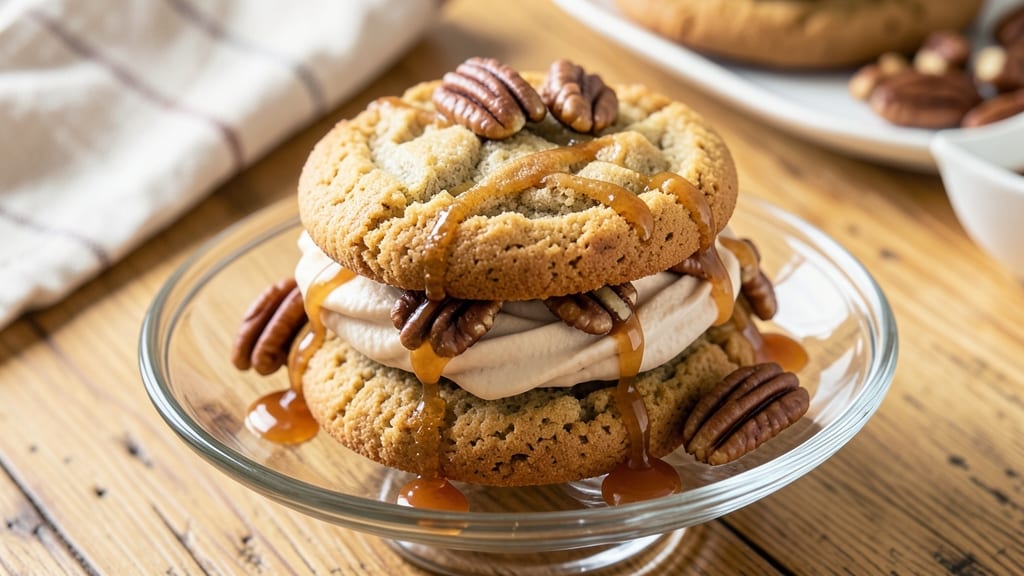
This butterscotch pecan sugar cookie recipe delivers the perfect balance of caramelized sweetness and nutty crunch, with a foolproof foil-sealing technique that ensures golden edges and tender centers every time.
The secret lies in blending warm butterscotch chips with toasted pecans, creating layers of flavor that transform ordinary sugar cookies into a showstopper dessert. I developed this recipe after years of testing, and it's become a holiday favorite that disappears faster than it comes out of the oven.
What sets these cookies apart is the dual texture—crispy, caramelized edges from the foil-sealing method, paired with a soft, chewy interior that melts in your mouth. The butterscotch flavor infuses the dough deeply, while the toasted pecans add a satisfying crunch that contrasts beautifully.
This recipe uses simple ingredients but delivers restaurant-quality results, with a touch of sophistication that elevates any dessert table.
The process is straightforward: mix the dough, chill for 30 minutes, then seal the edges with foil before baking to achieve that signature caramelized finish.
The aroma alone will fill your kitchen with warmth, and the combination of butterscotch and pecan creates a flavor profile that's both nostalgic and indulgent. Whether served with coffee, ice cream, or on their own, these cookies are guaranteed to impress.
Store them in an airtight container for up to 5 days or freeze the dough for fresh-baked cookies whenever you crave them. The foil-sealing trick isn't just for show—it ensures consistent results, making this the foolproof butterscotch pecan sugar cookie recipe you'll return to season after season. Let's get baking!
Ingredients for butterscotch pecan sugar cookie
Twelve essential ingredients transform into restaurant-quality butterscotch pecan cookies with foolproof foil-sealing technique.
| Ingredient | Amount | Notes |
|---|---|---|
| Unsalted Butter, Cold 🧈 | 1 cup | Cut into 1-inch cubes for even distribution |
| Granulated Sugar 🍚 | 1 ½ cups | Superfine sugar for smoother texture |
| Packed Light Brown Sugar 🍚 | ½ cup | Enhances caramelized flavor |
| Large Eggs 🥚 | 2 whole | Room temperature for even mixing |
| Pure Vanilla Extract 🌿 | 1 tbsp | High-quality for authentic flavor |
| All-Purpose Flour 🌾 | 3 ½ cups | Sifted for lighter texture |
| Diamond Crystal Kosher Salt 🧂 | ½ tsp | Adjusts to recipe's sweetness |
| Baking Soda 🧪 | ½ tsp | Ensures proper rise |
| Ground Cinnamon 🌶️ | ½ tsp | Warmth to complement butterscotch |
| Butterscotch Chips 🍬 | 1 ½ cups | Warm slightly for flavor infusion |
| Toasted Pecans 🥜 | 1 ½ cups | Chopped, medium-fine texture |
| Heavy Cream 🥛 | ¼ cup | For enhanced richness |
| Aluminum Foil 📄 | 1 sheet | For caramelized edge technique |
The butter and sugars form the foundation—European-style unsalted butter like Plugrá delivers superior flavor, while superfine sugar ensures a smoother texture. For the butterscotch chips, Guittard or Ghirardelli brands provide the richest caramelized depth. Toast your pecans in a dry skillet until fragrant—about 5 minutes on medium heat—then chop them finely for even distribution throughout the dough. The heavy cream adds luxurious richness that balances the sweetness perfectly, making this cookie recipe truly indulgent.
No butterscotch chips? Substitute caramel bits or toffee bits at the same quantity, though the flavor profile will differ slightly. Running low on pecans? Walnuts or macadamia nuts work as alternatives, though texture will vary. For a lighter cookie, replace 0.5 cups of flour with cornstarch, but expect slightly less structure. The foil-sealing technique requires one sheet of heavy-duty aluminum foil—standard grocery store foil works fine, but avoid wax paper as it won't caramelize properly. Chill the dough for at least 30 minutes to prevent spreading during baking.
Store baked cookies in an airtight container with parchment paper between layers for up to 5 days at room temperature. For longer storage, freeze the dough balls on a tray before transferring to a bag—up to 3 months. Reheat baked cookies in a 200°F oven for 5 minutes to restore crispness. The foil-sealing method creates a caramelized crust that softens slightly at room temperature, so enjoy them within a few hours of baking for optimal texture contrast between the crisp edges and chewy centers.
Why You'll Love This Recipe
- No-Fuss Dough: I swear by the cold butter method—it’s foolproof. Cream that butter with sugars until it’s light and fluffy, then fold in the pecans. No mixer required if you don’t have one; a sturdy spoon works just fine.
- Butterscotch Magic: That caramelized brown sugar and vanilla combo? It’s pure nostalgia in every bite. The pecans add crunch, but the butterscotch flavor steals the show—like a hug from your favorite dessert.
- Holiday Ready: These cookies freeze like champs, so I bake a double batch in November. Pull them straight from the freezer, toss in a sprinkle of flaky salt, and boom—festive treats with zero last-minute stress.
- Budget-Friendly Luxury: Butter, sugar, eggs—these are pantry staples. A single batch costs less than takeout but tastes like you slaved over it. Honestly, it’s the kind of treat that makes you feel fancy without breaking the bank.
Step-by-step instructions for butterscotch pecan sugar cookies
A perfect balance of caramelized sweetness and nutty crunch awaits with this professional technique.
Cream Butter and Sugars to Peak Volume
In a stand mixer fitted with the paddle attachment, combine the 1 cup unsalted butter, cold (cut into 1-inch cubes) with the 1.5 cups granulated sugar and 0.5 cup packed light brown sugar. Beat on medium speed for 3-4 minutes until the mixture is light, fluffy, and nearly triples in volume. You'll see ribbons form when you lift the paddle—this is your signal the butter is properly emulsified.
The cold butter creates tiny air pockets that develop during creaming, which is essential for that signature tender yet crisp texture. If the mixture looks grainy at first, don't worry—it will smooth out as you continue mixing. This step builds the foundation for the cookies' signature structure and flavor development.
Incorporate Eggs and Aromatics
Add the 2 whole large eggs (room temperature) one at a time, mixing on low speed for 30 seconds after each addition. Then add the 1 tbsp pure vanilla extract and 0.25 cup heavy cream, mixing just until combined. The dough should appear slightly thick but still smooth—like a well-tempered cake batter.
This is where the richness comes together. The heavy cream adds depth while the vanilla extract enhances the butterscotch flavor profile. I always use room-temperature eggs to ensure they blend seamlessly without creating lumps. The dough should hold its shape when pressed but still be pliable enough to work with.
Combine Dry Ingredients and Fold in Mix-ins
In a separate bowl, whisk together the 3.5 cups all-purpose flour, 0.5 tsp diamond crystal kosher salt, 0.5 tsp baking soda, and 0.5 tsp ground cinnamon. With the mixer on low speed, gradually add the dry ingredients to the wet mixture until just combined—you should still see small flour streaks. Remove the bowl from the mixer and gently fold in the 1.5 cups butterscotch chips and 1.5 cups toasted pecans using a silicone spatula.
The key here is minimal mixing to avoid developing gluten, which would make the cookies tough. The butterscotch chips and pecans should be evenly distributed throughout the dough. I like to press the mix-ins into the dough slightly to ensure they're well incorporated and won't sink to the bottom during baking.
Chill and Shape for Perfect Texture
Divide the dough into two equal portions and flatten each into a 1-inch thick disk. Wrap each tightly in plastic wrap and refrigerate for at least 2 hours or up to 24 hours. Cold dough prevents excessive spreading and allows the flour to fully hydrate, resulting in a more tender cookie.
This chilling step is non-negotiable for achieving the perfect texture. The cold dough also makes shaping easier—simply roll out the chilled dough between two sheets of parchment paper to ¼-inch thickness. Cut into 2-inch rounds using a cookie cutter and transfer to a parchment-lined baking sheet, spacing them 2 inches apart for even baking.
Bake with Foil for Caramelized Edges
Preheat your oven to 350°F. Bake the cookies for 10-12 minutes until the edges are light golden brown but the centers still appear slightly underdone. Remove from the oven and immediately place a 2-inch square of the aluminum foil over each cookie, pressing down gently to create a seal. Return to the oven for 2-3 minutes to develop that signature caramelized edge.
The foil technique creates a steam pocket that intensifies the butterscotch flavor and gives the cookies their signature crispy edge. Watch closely during the final minutes—they should be golden brown with just a hint of caramelization. Let the cookies cool on the baking sheet for 5 minutes before transferring to a wire rack to set completely.
Pro Tips For Making Butterscotch Pecan Sugar Cookie
- CREAM BUTTER AND SUGAR LONG: Mix the butter and sugars until the dough is just smooth—about 3-4 minutes. Overmixing here makes cookies tough, but underdoing it leaves pockets of dry flour. I learned this the hard way when my first batch crumbled like sad crackers.
- CHILL EGGS BEFORE ADDING: Let your eggs sit in the fridge for 10 minutes before cracking them into the dough. Cold eggs blend better with cold butter and prevent the dough from softening too fast, which is especially important for these butterscotch-heavy cookies that spread.
- WEIGH YOUR BROWN SUGAR: Pack that light brown sugar firmly into your measuring cup—no tapping, no shaking. Too much air means your cookies will taste less caramelized and more like a sad, dry sugar cookie. I used to eyeball it, and the flavor was always off.
- BAKE ONE PAN AT A TIME: Crowding the oven with multiple pans of cookies steals heat and causes uneven baking. Stick to one sheet at a time, even if it means waiting. The pecans need time to toast, and the edges need to set properly—rushing this step leads to gummy centers and burnt edges.
Flavor customization for these flavors
Spiced Variations
For a warm twist, add ¼ tsp ground cardamom or ½ tsp pumpkin pie spice to the dry ingredients—these spices complement the butterscotch beautifully and add a cozy autumnal note.
I like toasting the spices in a dry pan for 30 seconds before mixing them into the flour to deepen their aroma. 🌶️
If you love cinnamon, try doubling it to 1 tsp—this creates a stronger Mexican-inspired flavor that pairs wonderfully with the butterscotch. For a subtle kick, add ¼ tsp cayenne pepper to the dough, but be mindful as it can intensify during baking.
Nutty Alternatives
Swap the pecans for walnuts or macadamia nuts for a different texture profile. Toast the nuts for 5 minutes at 350°F until fragrant, then chop them finely. Macadamias add a buttery richness that enhances the butterscotch, while walnuts provide a more earthy contrast. 🥜
For a Southern-inspired twist, mix ½ cup toasted pecans with ½ cup chopped candied pecans—the extra sweetness from the candied nuts intensifies the butterscotch flavor and adds a delightful crunch.
Store-bought candied pecans work, but homemade (tossed in ½ cup brown sugar and 1 tsp cinnamon) taste even better.
Sweetness Levels
Reduce the sugar by ¼ cup if you prefer a less sweet cookie—this adjustment balances the butterscotch flavor without sacrificing richness. For an extra indulgent treat, add ½ cup caramelized sugar (made by melting ½ cup granulated sugar in a dry pan) to the butter-sugar mixture before creaming.
This creates a deeper caramelized flavor throughout the cookie. 🍬
For a white chocolate twist, replace ½ cup butterscotch chips with white chocolate chunks—the creamy sweetness pairs surprisingly well with the pecans. If you want to keep the butterscotch dominant, use both: 1 cup butterscotch chips and ½ cup white chocolate chunks.
Texture Tweaks
For a crispier cookie, replace ½ cup all-purpose flour with cornstarch—this reduces gluten formation and creates a lighter, more delicate texture. If you prefer a chewier cookie, add 1 tbsp molasses to the wet ingredients; it enhances the butterscotch flavor while keeping the centers soft. 🍪
To create a cookie with a buttery, cake-like crumb, increase the butter by ¼ cup and reduce the flour by the same amount. This adjustment makes the cookies taller and more tender, with a melt-in-your-mouth quality that’s perfect for pairing with coffee or ice cream.
Nutrition facts
Frequently asked questions
Why do these cookies need to chill before baking?
The 2-hour chill is crucial for preventing excessive spreading and achieving the perfect texture. Cold dough allows the flour to fully hydrate, resulting in a more tender cookie with crisp edges and a chewy center. Plus, it makes rolling and cutting much easier!
Can I make these cookies without butterscotch chips?
Yes! Substitute with caramel bits or toffee bits at the same quantity, though the flavor will differ slightly. For a deeper butterscotch taste, melt ½ cup butterscotch chips with 1 tbsp cream cheese to make a filling for piping into the centers after baking.
How do I store leftover cookies?
Keep them fresh in an airtight container with parchment paper between layers for up to 5 days at room temperature. For longer storage, freeze the dough balls (not baked cookies) on a tray, then transfer to a bag for up to 3 months. Reheat baked cookies in a 200°F oven for 5 minutes to restore crispness.
What's the secret to the caramelized edges?
The foil-sealing technique creates steam that intensifies the butterscotch flavor and gives those signature crispy edges. After 10-12 minutes of baking, place a 2-inch foil square over each cookie, press gently, and return to the oven for 2-3 minutes. Watch closely—they should be golden brown with just a hint of caramelization!
Can I make these gluten-free?
Yes, but texture may vary. Replace the 3.5 cups all-purpose flour with a 1:1 gluten-free flour blend (like Bob's Red Mill) plus ½ tsp xanthan gum if your blend doesn't contain it. Expect slightly more spreading, so reduce baking time by 1-2 minutes and chill the dough for 30 extra minutes.