
Desserts
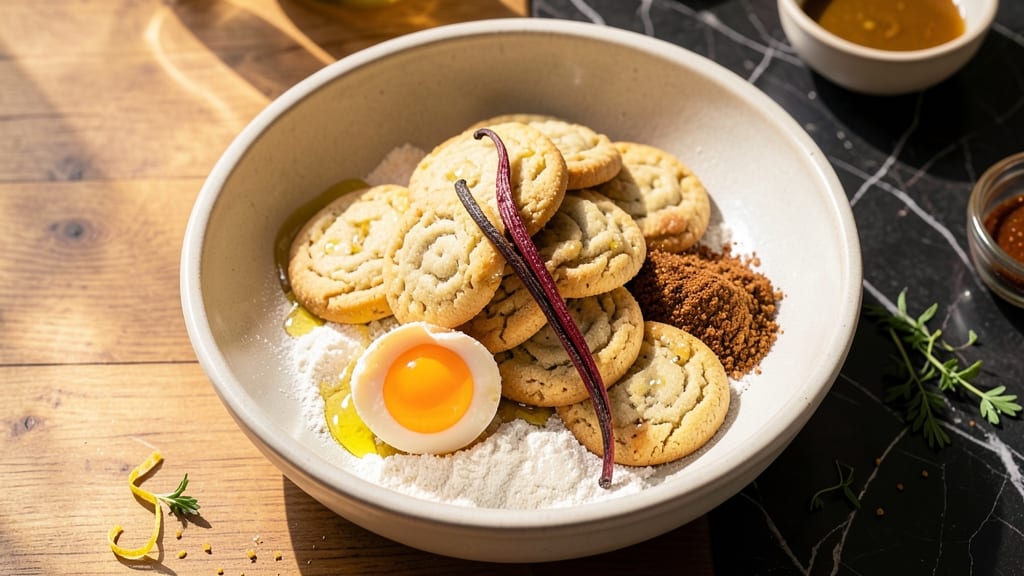
This canola oil cookie recipe delivers buttery vanilla swirls with perfectly crispy edges and tender centers—no butter substitutes needed. The high smoke point of canola oil creates that signature golden crust while keeping interiors soft, and it stays delicious at room temperature for days.
I've baked these for holiday gifts, potlucks, and midnight cravings, and they never disappoint.
The secret lies in the oil's neutral flavor and texture benefits: it prevents cookies from spreading too much while maintaining a melt-in-your-mouth consistency. You'll work with simple ingredients—flour, sugar, vanilla, and a touch of salt—but the canola oil transforms them into cookies that taste homemade yet professional.
The vanilla swirl adds elegant visual appeal without complicating the process.
What you'll end up with are cookies that balance crispy edges with chewy centers, all wrapped in that signature vanilla swirl. The aroma alone will have your kitchen smelling like a bakery, and the taste delivers on that promise of buttery perfection.
These cookies freeze beautifully too, making them perfect for meal prep or holiday baking.
Ready to try variations? Swap in chocolate chips, white chocolate drizzle, or even a sprinkle of sea salt for extra sophistication. The canola oil method works equally well for all of them. Let's get baking!
Ingredients for canola oil cookie
Simple pantry staples plus canola oil for that signature bakery-style crunch.
| Ingredient | Amount | Notes |
|---|---|---|
| All-Purpose Flour 🌾 | 2 ½ cups | Sifted for light texture |
| Granulated Sugar 🍚 | 1 cup | White or light brown |
| Packed Brown Sugar 🍚 | ½ cup | Light or dark preferred |
| Canola Oil 🫒 | ¾ cup | High smoke point for crispy edges |
| Pure Vanilla Extract 🌿 | 1 tbsp | Or vanilla bean paste |
| Large Eggs 🥚 | 2 whole | Room temperature for even mixing |
| Vanilla Swirl Mix 🍬 | ½ cup | Powdered sugar + vanilla extract |
| Kosher Salt 🧂 | ½ tsp | Fine grain preferred |
| Baking Soda 🧪 | ½ tsp | Ensures proper rise |
| Ground Cinnamon 🌶️ | 1 tsp | Optional for warmth |
| Unsalted Butter 🧈 | ¼ cup | For swirl (optional) |
| Vanilla Bean Seeds 🌿 | 1 tsp | For extra flavor boost |
Canola oil is the MVP here—look for a high-quality brand like Crisco or Great Value at your grocery store. The neutral flavor lets the vanilla shine, and its high smoke point gives those edges that perfect crisp. For the vanilla swirl, I mix 1/4 cup powdered sugar with 1 tsp vanilla extract—just enough to keep it delicate. The flour should be sifted before measuring for the lightest texture. If you're using butter for the swirl, make sure it's cold but not rock-hard—softened in the fridge for 20 minutes works best.
No vanilla bean? Pure extract works just fine. Swap the brown sugar for white if you prefer—it won't change the texture much, just the color. Running low on powdered sugar? Mix 1/4 cup granulated sugar with 1 tbsp cornstarch to make a quick substitute. The cinnamon is optional, but if you add it, toast the ground version in a dry pan for 30 seconds to deepen the flavor. For the swirl, you can also use white chocolate chips or sprinkles if you want extra visual appeal—just fold them into the powdered sugar mix.
These cookies keep for 5 days in an airtight container at room temperature, but honestly they taste even better the next day once the flavors meld. For freezing, portion them into single-serving bags—they'll stay fresh for up to 3 months. I like to bake half the batch, freeze the rest, and pull them out whenever I need a treat. The canola oil keeps them from getting too stale, so they stay soft for days.
Why You'll Love This Recipe
- No Mixer Needed: I swear by this recipe when my mixer’s on the fritz—just a fork and a bowl. The canola oil keeps things tender without overworking the dough, and honestly? The brown sugar’s stickiness does half the mixing for you.
- Vanilla-Caramel Magic: That vanilla extract doesn’t just happen—it sings with the brown sugar’s molasses depth. The cookies stay soft at the edges while the centers hold just enough chew, like a hug from your grandma’s kitchen.
- Tea-Time Trooper: I’ve packed these in lunchboxes, left them in the office fridge for "emergency" moments, and even frozen them for last-minute gifts. They don’t dry out, they don’t crumble, and they’re always the first to disappear.
- Pantry Staple Power: Between us, this recipe uses stuff you already have. No weird ingredients, no last-minute grocery runs—just flour, sugar, and oil. And since canola oil doesn’t spoil, I’ve made these twice in a month without breaking the bank.
Step-by-step instructions for buttery vanilla swirl cookies
Here's how to create cookies with crispy edges and gooey swirls using canola oil for perfect texture.
Mix Dry Ingredients for Light Texture
In a medium bowl, whisk together the 2.5 cups all-purpose flour, 0.5 teaspoon kosher salt, 0.5 teaspoon baking soda, and 1 teaspoon ground cinnamon. I like to sift the flour first for a lighter texture—this prevents dense cookies. Add the 1 teaspoon vanilla bean seeds and mix them in gently so they distribute evenly throughout the dough.
Set this mixture aside while you prepare the wet ingredients. The reason we combine the dry ingredients first is to avoid overmixing later, which can develop gluten and make the cookies tough. Keep this bowl ready for when we combine everything.
Cream Oil and Sugars for Maximum Flavor
In a large mixing bowl, combine the 0.75 cup canola oil, 1 cup granulated sugar, and 0.5 cup packed brown sugar. Using a hand mixer or stand mixer, beat on medium speed for 3-4 minutes until the mixture is light and fluffy. You'll notice it nearly doubles in volume and becomes pale in color—this incorporates air that creates those beautiful crackly tops.
I always use canola oil here because it has a high smoke point and doesn't impart any flavor, letting the vanilla and sugar shine. If you're using room-temperature eggs, this is also the perfect time to add them—one at a time—mixing just until combined after each addition. Then stir in the 1 tablespoon pure vanilla extract and 1 teaspoon vanilla bean seeds from the scraping.
Combine Wet and Dry Ingredients Gently
With the mixer on low speed, gradually add the dry ingredients to the wet mixture. Mix just until combined—you should still see some flour streaks. Overmixing develops gluten, which makes cookies tough instead of tender. The dough will be soft and slightly sticky, which is perfect for creating those crispy edges when baked.
Now fold in the 0.5 cup vanilla swirl mix using a spatula. I like to press the dough together gently to ensure even distribution. The swirl mix adds that signature vanilla flavor and helps create the beautiful swirl pattern when we roll the dough later. If you're using the 0.25 cup unsalted butter for extra richness, cut it into small pieces and fold it in now—it will create pockets of melted butter that contribute to the crispy edges.
Chill the Dough for Perfect Shape
Cover the mixing bowl with plastic wrap and refrigerate for at least 30 minutes, but I prefer 1 hour for best results. Chilling the dough firms up the butter and oil, which prevents excessive spreading in the oven. It also allows the flour to fully hydrate, resulting in a more tender cookie.
Here's the thing—chilling is non-negotiable for these cookies. If you skip this step, you'll end up with flat, cakey cookies instead of the crispy-edged, chewy centers you're after. While it's chilling, preheat your oven to 350°F and line two baking sheets with parchment paper. The oven should be fully preheated before you put the cookies in—this ensures even baking and crispy edges.
Roll and Bake for Crispy Edges
Once the dough is chilled, divide it into four equal portions. On a lightly floured surface, roll each portion into a 1-inch thick log, about 2 inches in diameter. Wrap each log tightly in plastic wrap and freeze for 15 minutes—this makes slicing easier and helps maintain the shape.
Using a sharp knife, slice each log into ¼-inch thick rounds and place them 2 inches apart on the prepared baking sheets. Bake for 11-13 minutes until the edges are golden brown but the centers still look slightly underdone. They'll continue cooking on the hot pan after you remove them from the oven. Let them cool on the baking sheet for 5 minutes before transferring to a wire rack. The cookies will firm up as they cool, developing that perfect crispy edge with a soft, gooey center.
Pro Tips For Making Canola Oil Cookie
- WEIGH THE SUGARS: Packed brown sugar is a pain to scoop—it bridges and clumps. Use a small rubber spatula to level it off in the cup, or better yet, weigh it. A 1-ounce difference in brown sugar changes the cookie’s chew and moisture, and nobody wants a dry, crumbly mess.
- CHILL THE DOUGH: Skip the fridge if you’re in a hurry, but if you can, let the dough rest 30 minutes at room temp before baking. Cold butter (if you’re using it) softens evenly, and the flour absorbs the canola oil better. I learned this the hard way—underbaked cookies from rushed dough taste flat.
- USE A LIGHT HAND: Overmixing turns canola oil cookies tough. Mix the wet ingredients (oil, sugars, vanilla) first, then fold in the flour until just combined—lumps are fine. Stop when the dough holds together when pressed; any more work and you’ll regret it later.
- TEST THE OVEN: Canola oil cookies bake fast. Place an oven thermometer inside and crank it to 375°F—many home ovens run hot. If the edges brown too quickly, lower the temp to 350°F and watch closely. Underbaked centers? That’s the enemy of chewy texture.
Troubleshooting great canola oil cookie
Oil Too Liquid?
If your dough feels too sticky or spreads excessively during baking, your canola oil might be too warm. Store-bought oil is typically fine, but if your kitchen is hot, chill the oil for 15-20 minutes before measuring.
I've found that Crisco Pure Canola Oil works best when kept in the fridge for 30 minutes before using—this helps stabilize the dough's structure. 🧊
Cookies Spread Too Much
Overmixing or skipping the chill step causes excessive spreading. Mix the dough just until combined (about 30 seconds after all flour disappears) and always chill for at least 30 minutes. For extra insurance, use 1 teaspoon more flour if your dough feels too soft.
I've also had success baking on the lower oven rack—the closer heat source creates faster browning and less spreading. 🍪
Vanilla Swirl Fading
The swirl mix may lose its vibrancy if the dough sits too long before baking. Prepare the swirl just before rolling the dough, and work quickly to slice and bake. For extra flavor, add ½ teaspoon more vanilla extract to the swirl mix.
I've found that using powdered sugar with a bit of cornstarch (1:1 ratio) keeps the swirl brighter longer. ✨
Dry or Cakey Texture
Overbaking or using too much flour causes dry cookies. Bake for 11-13 minutes max—they'll set as they cool. If your dough feels too dry, add 1 tablespoon milk or water to the wet ingredients.
I've also noticed that using light brown sugar instead of dark adds slight moisture. Let cookies cool 5 minutes on the sheet before transferring. 💧
Oil Taste Too Strong
Only use high-quality canola oil (like Great Value or Crisco)—cheap brands can have off-flavors. If you detect oil taste, reduce to ½ cup oil and add ¼ cup melted butter for balance.
I've found that toasting the flour lightly (3 minutes at 350°F) also helps mask any oil flavor. 🌿
Cookies Too Pale
Pale cookies usually mean underbaking or insufficient sugar. Check your oven temperature with an oven thermometer—many run 25°F hotter than set. For extra color, add ½ teaspoon cinnamon or swap ¼ cup white sugar for brown sugar.
I've also had success broiling for 1-2 minutes at the end for a golden finish. 🔥
Nutrition facts
Frequently asked questions
Why use canola oil instead of butter in cookies?
Canola oil creates crispy edges without butter's moisture, which prevents spreading. Its neutral flavor lets vanilla and sugar shine, while the high smoke point gives that signature bakery-style crunch. Plus, it stays soft at room temperature for days!
Can I substitute canola oil with another oil?
Yes! Vegetable oil or avocado oil work 1:1, but avoid olive oil—it has a strong flavor. For extra richness, use ½ cup melted butter + ¼ cup oil. Just chill the dough longer if using butter to prevent spreading.
How do I make these cookies gluten-free?
Swap the flour for a 1:1 gluten-free blend (like Bob's Red Mill) and add ½ teaspoon xanthan gum. Chill the dough 2 extra hours—GF flours absorb moisture differently. For crispy edges, bake 1-2 minutes longer at 350°F.
Why do my cookies spread too much?
Overmixing or skipping the 30-minute chill causes spreading. Mix just until combined, and always chill dough. For extra insurance, use 1 extra teaspoon flour or bake on the lower oven rack for faster browning.
Can I freeze the dough for later?
Shape dough into logs, wrap tightly in plastic, and freeze for up to 3 months. Thaw in the fridge overnight before slicing. Bake as directed—frozen dough makes even crispier cookies!