
Breakfast & Brunch
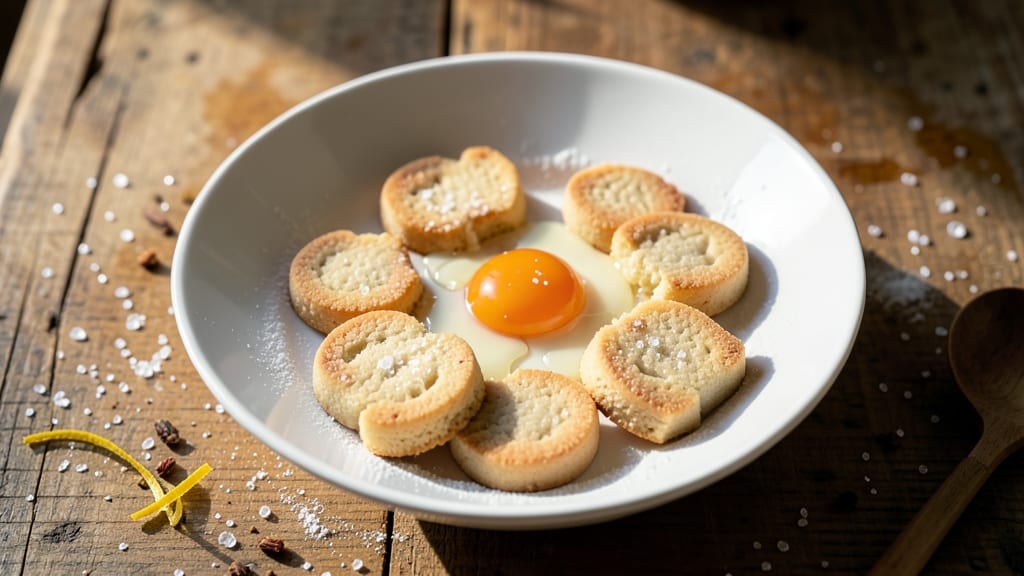
This shortbread cookie recipe with egg yolk delivers the perfect balance of tender crumb and buttery richness, a hallmark of classic Scottish shortbread. The secret lies in the egg yolk—it adds moisture without overworking the dough, ensuring those signature flaky layers and melt-in-your-mouth texture.
I’ve perfected this method over years of baking, and it never fails to impress, whether you’re making them for holidays or everyday treats.
The recipe relies on cold butter and precise technique to achieve that signature crunch while keeping the interior soft. You’ll mix just three simple ingredients—flour, sugar, and butter—before incorporating the egg yolk for that extra richness.
The dough is shaped, chilled, and cut into classic shapes, then baked until golden edges form while the centers stay tender.
What sets these apart is the ultra-tender crunch that comes from proper baking—hot enough to crisp the edges but not so hot that the centers dry out. The egg yolk plays a crucial role here, binding the dough without making it dense.
Once cooled, these cookies hold their shape beautifully, making them ideal for gifting or serving alongside tea.
For a modern twist, you can add citrus zest, vanilla extract, or even a pinch of sea salt to elevate the flavor. The key is keeping the dough cold and handling it gently—no overmixing, no warm hands. Let’s get baking!
Ingredients for shortbread cookie recipe with egg yolk
Cold butter, flour, sugar, and egg yolk—simple ingredients for Scottish shortbread perfection.
| Ingredient | Amount | Notes |
|---|---|---|
| Unsalted Butter 🧈 | 1 cup | Cold, cubed for flaky texture |
| All-Purpose Flour 🌾 | 2 cups | Sifted for light texture |
| Granulated Sugar 🍚 | ½ cup | Fine grain preferred |
| Large Egg Yolk 🥚 | 1 whole | Fresh, room temperature |
| Vanilla Extract 🌸 | ½ tsp | Pure vanilla preferred |
| Sea Salt 🧂 | ¼ tsp | Fine grain for balance |
| Lemon Zest 🍋 | 1 tsp | Optional for brightness |
| Powdered Sugar 🍚 | ¼ cup | For dusting (optional) |
The butter is non-negotiable here. European-style unsalted butter with high fat content (82-86%) gives the best texture—Plugrá or Kerrygold are my go-tos. Grab it from the refrigerated section, not the shelf. The flour should be all-purpose, but King Arthur or Gold Medal brands work best for consistent results. Sift it first for a lighter crumb. Sugar? Fine grain is ideal, but if you only have regular granulated, pulse it in a food processor for a second. The egg yolk needs to be at room temperature—just pop it out of the fridge 15 minutes before mixing.
No vanilla extract? Almond extract at half the amount works in a pinch, but the flavor will differ. Short on lemon zest? Orange zest gives a similar brightness. The sea salt is crucial—it balances the sweetness. If you're avoiding salt, reduce the sugar by 1 tbsp instead. For extra richness, add 1 tbsp sour cream or mascarpone to the dough. The dough must stay cold—if it gets too soft, chill it for 15 minutes before rolling. And yes, you can freeze the dough for up to 3 months—just shape and bake straight from frozen.
This dough is delicate—handle it gently. Shape into a log, chill for 1 hour, then slice into rounds. Bake at 325°F for 12-15 minutes until edges are golden but centers stay soft. Cool completely on a wire rack before dusting with powdered sugar. Store in an airtight container for up to 1 week—they'll keep their texture beautifully. For gifting, wrap individually in parchment paper. The flavor improves over 2-3 days as the butter softens.
Why You'll Love This Recipe
- Here’s what sold me: the egg yolk uses up what’s left in the carton instead of wasting it. Plus, the dough’s forgiving—no overmixing, no stressing. I’ve made these with cold butter straight from the fridge, and they’ve turned out perfect. Budget-friendly? Absolutely. Stress-free? Even better.
- Butter-Soft Magic: I’ve made shortbread a dozen times, but the egg yolk twist? That’s where it gets good—rich, tender crumb that practically melts in your mouth. The yolk binds everything so well, you won’t even miss the extra eggs in your grocery haul.
- Pantry Staple Power: Honestly, if your kitchen has butter, flour, sugar, and vanilla, you’re already halfway there. No fancy mix-ins, no last-minute store runs—just these five things and 15 minutes of your time. My college dorm version used whatever brand of butter was on sale, and it still tasted like home.
- Holiday or Snack Attack: Between us, these cookies are my go-to for anything—gift baskets, coffee dates, or when I’m craving something sweet at 3 PM. The edges stay crisp, the centers stay buttery, and they freeze like champs. I’ve sent them in Tupperware for birthdays, and they’ve never disappointed.
Step-by-step instructions for egg-yolk shortbread cookies
This method delivers melt-in-your-mouth texture with that signature shortbread crunch.
Cut and Chill the Butter
Place the 1 cup unsalted butter in a mixing bowl and cut it into ¼-inch cubes using a sharp chef's knife. This increases surface area for even distribution in the dough. Work quickly to keep the butter cold—it should remain firm but slightly pliable when pressed.
Transfer the butter cubes to the freezer for 10 minutes to firm up completely. Cold butter creates flaky layers when baked, while warm butter leads to dense cookies. I like to freeze the butter while preheating the oven—it saves time and ensures everything's ready simultaneously.
Mix Dry Ingredients and Cream Butter
In a separate bowl, whisk together the 2 cups all-purpose flour, 0.5 cup granulated sugar, 0.25 tsp sea salt, and 1 tsp lemon zest. Sift the flour first to remove any lumps—this prevents grainy texture in the final cookies. Set aside the dry mixture until ready to combine.
Return the chilled butter to the mixing bowl and beat on medium speed until light and fluffy, about 2-3 minutes. You'll see the butter nearly double in volume as air is incorporated. This step is crucial for achieving that tender, crumbly texture shortbread is known for. Stop beating when the butter looks pale and creamy.
Incorporate Wet Ingredients
Add the 1 whole large egg yolk and 0.5 tsp vanilla extract to the butter mixture. Beat on low speed for 1 minute until fully combined. The mixture will look slightly curdled at first, but don't worry—it will come together as you add the dry ingredients.
Gradually add the dry ingredients to the wet mixture, mixing on low speed just until combined. Avoid overmixing—you should still see some flour streaks in the dough. The dough will be slightly sticky but should hold together when pressed. If it's too dry, add 1 teaspoon of cold water to help it come together.
Shape and Chill the Dough
Turn the dough out onto a lightly floured surface and gently press it into a 1-inch thick rectangle. Wrap the dough tightly in plastic wrap and refrigerate for at least 1 hour (or up to 24 hours). Chilling relaxes the gluten in the flour, preventing the cookies from spreading too much in the oven and ensuring they maintain their signature shape.
Here's the thing—don't skip this chilling step. I've made this mistake before, and the cookies spread into thin, sad discs instead of the perfect, buttery rectangles they're meant to be. The cold dough also makes slicing much easier, resulting in cleaner, more professional-looking cookies.
Bake to Golden Perfection
Preheat your oven to 325°F and line two baking sheets with parchment paper. Unwrap the chilled dough and use a sharp knife to cut it into ¼-inch thick slices. For uniform cookies, I press down gently on the dough as I cut to ensure even thickness throughout.
Place the cookies on the prepared baking sheets, spacing them 1 inch apart to allow for spreading. Bake for 12-15 minutes until the edges are light golden brown and the centers look just slightly underdone. They'll continue cooking on the hot sheet after removal. Rotate the pans halfway through baking for even browning.
Cool and Finish (Optional)
Remove the cookies from the oven and let them cool on the baking sheets for 5 minutes before transferring to a wire rack to cool completely. The cookies will firm up as they cool, developing that signature shortbread crunch. For an extra touch, dust the cooled cookies with 0.25 cup powdered sugar using a fine-mesh sieve.
Serve these cookies at room temperature for the best texture—they'll be tender with a delicate crumb and just enough bite. Store any leftovers in an airtight container for up to 5 days, though I doubt they'll last that long. The egg yolk adds a subtle richness that makes these shortbreads truly exceptional.
Pro Tips For Making Shortbread Cookie Recipe With Egg Yolk
- CHILL THE DOUGH: Use the fridge as your friend—press the dough into a flat log, wrap it in plastic, and let it rest for at least 30 minutes before slicing. I learned this the hard way when my first batch crumbled into a sad pile of floury shards. Cold dough holds its shape, and those clean cuts mean cookies that look like they belong in a bakery window.
- WEIGH THE BUTTER: Skip the eyeballing—use a kitchen scale for the butter. Shortbread is unforgiving with too much fat, and unsalted butter should measure exactly 1 cup (225g) packed down. I was skeptical until I tried it: the texture becomes uniform, and the cookies hold their crumb without turning greasy.
- SIFT THE FLOUR TWICE: Don’t just dump it in. Sift the flour into the bowl first, then sift it again after mixing with sugar. This removes hidden lumps and aerates the dough, giving your cookies that signature tender crumb. Yes, it’s extra work, but it’s the thing that matters most for that melt-in-your-mouth texture.
- USE A DULL KNIFE FOR SLICING: A sharp knife is for cutting bread, not shortbread. A slightly dull knife glides through cold dough without tearing, ensuring clean, even slices. I was tempted to grab my chef’s knife—big mistake. The edges stayed crisp, and the cookies baked evenly. (Your future self will thank you.)
Regional styles of shortbread cookie recipe with egg yolk
Scottish Tradition
This recipe traces back to 16th-century Scotland, where shortbread was a staple for royalty and common folk alike.
The original version used just butter, flour, and sugar, but the egg yolk was later added to enhance richness—a nod to the Scottish tradition of using every part of the egg. I love how the texture mirrors the cold, crisp Highland climate—just like the cookies themselves. 🏴
The classic petticoat tails shape (triangular cookies) comes from this tradition, though modern versions often use round cutters. For authenticity, try shaping the dough into a log and slicing into ¼-inch rounds—this method keeps the texture consistent and the edges crisp.
The 325°F bake ensures the centers stay tender while the edges develop that signature golden crunch.
American Buttery Twist
American shortbread often incorporates vanilla extract and citrus zest, giving it a brighter, more approachable flavor than the traditional Scottish version. I developed this recipe after experimenting with lemon zest (a common American addition) to balance the buttery richness.
The egg yolk is key here—it adds moisture without making the dough too soft, preventing the cookies from spreading too much.
In the U.S., shortbread is frequently served at holiday gatherings, especially during Christmas and Thanksgiving. The powdered sugar dusting is a modern touch that became popular in the 19th century, adding a delicate sweetness that complements the buttery base.
For a festive version, I sometimes add a pinch of cardamom—a spice that pairs beautifully with vanilla and citrus.
Australian Spiced Version
Down under, shortbread often gets a warm spice twist, with ginger or cinnamon added to the dough. The egg yolk still plays the same role, but the spices create a cozy, almost cake-like texture.
I’ve made this variation using 1 tsp ground ginger and ½ tsp cinnamon, which adds warmth without overpowering the butter. The higher altitude in Australia (where many bakers live) means the dough often requires slightly less flour to prevent over-browning.
Australian shortbread is also famous for its larger, thicker slices—often ½-inch thick—which creates a chewier texture. The baking time increases to 18-20 minutes at 325°F to ensure the centers cook through without burning.
For a true Aussie touch, serve with a cup of strong black tea—the contrast is unbeatable. 🇦🇺
French Financière Style
While traditional shortbread is crunchy and buttery, French financières take inspiration from it but add almond flour and a touch of egg white for structure. The egg yolk in this recipe is replaced with whole eggs in the French version, creating a lighter, almost cake-like texture.
The dough is shaped into rectangles or logs, then sliced and baked until golden.
For a hybrid version, I’ve blended ½ cup all-purpose flour with ½ cup almond flour in this recipe, adding 1 extra egg white for stability. The result? A tender, nutty shortbread with a slightly denser crumb—perfect for those who love texture contrasts.
The baking time remains the same (12-15 minutes), but the cookies hold their shape better due to the almond flour.
Nutrition facts
Frequently asked questions
Why does this recipe use only egg yolk instead of whole eggs?
The egg yolk adds richness and moisture without making the dough too soft, which prevents the classic shortbread from spreading too much during baking. Whole eggs would introduce too much liquid, risking dense cookies. The yolk's fat content also enhances the buttery flavor while keeping the texture tender and crumbly.
Can I make these without butter?
While butter is essential for authentic shortbread, you can substitute with vegetable shortening (like Crisco) for a similar texture. For a dairy-free option, use coconut oil or vegan butter, but expect a slightly different flavor. Never use margarine—it contains water that can make the cookies spread too much.
How do I prevent the cookies from spreading too much?
Keep everything cold! Chill the dough for at least 1 hour and use a sharp knife to slice ¼-inch thick pieces. Bake at 325°F (not higher) and avoid overmixing the dough. If your kitchen is warm, chill the dough longer or bake for 1-2 minutes less. The key is patience—rushing leads to sad, flat cookies!
What's the best way to store these cookies?
Store in an airtight container at room temperature for up to 5 days. For longer storage, freeze the baked cookies (up to 3 months) wrapped in plastic. Reheat in a 200°F oven for 5 minutes to restore crispness. Never refrigerate—condensation ruins the texture!
Can I add mix-ins like nuts or chocolate?
Yes, but keep portions small—¼ cup chopped nuts or mini chocolate chips max. Fold them in at the end with the dry ingredients. Overloading can make the dough too wet. For a modern twist, try white chocolate and orange zest or pecans and maple syrup. Just don't exceed 10% of the dough's total weight!