
Desserts
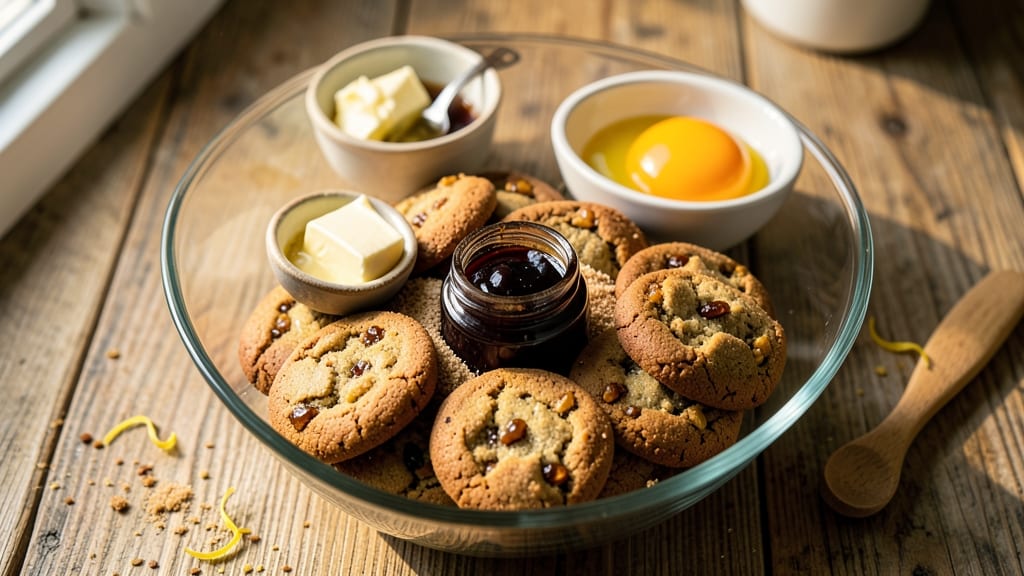
This soft iced gingerbread cookie recipe delivers the perfect balance of tender, spiced centers and crisp edges—every bite is warmly aromatic with molasses and cinnamon.
The secret lies in using brown sugar and a touch of corn syrup to maintain moisture while baking, then finishing with a smooth white icing that contrasts beautifully with the warm spices.
I’ve perfected this recipe over years of holiday baking, ensuring the cookies stay soft for days without turning into crumbly cakes.
The dough comes together with simple ingredients—flour, butter, molasses, and a blend of warm spices—but the technique makes all the difference. Baking at a lower temperature for slightly longer ensures even cooking, while pressing the dough balls just before baking creates those signature crisp edges.
The icing, made with powdered sugar and milk, sets perfectly to create a glossy finish that makes these cookies look as good as they taste.
What makes these cookies truly special is their texture: tender yet sturdy enough to hold the icing, with a spiced center that melts slightly when bitten. The flavor balance—sweet from the molasses, warm from the cinnamon and ginger, and just a hint of peppery heat—makes them irresistible.
They’re ideal for holiday gatherings, gift-giving, or simply treating yourself to a batch of cookies that taste like home.
Once you try these, you’ll never go back to store-bought gingerbread again. The combination of soft, spiced cookie and smooth icing creates a dessert that’s both comforting and impressive. Let’s get baking—your kitchen will smell like the holidays in minutes.
Ingredients for soft iced gingerbread cookie
Simple ingredients craft these irresistible gingerbread cookies with tender centers and crisp edges.
| Ingredient | Amount | Notes |
|---|---|---|
| All-Purpose Flour 🌾 | 2 ½ cups | Sifted for even texture |
| Unsalted Butter 🧈 | 1 cup | Cold, cubed for even mixing |
| Light Brown Sugar 🍚 | 1 cup | Packed firmly for sweetness |
| Molasses 🍯 | ½ cup | Dark molasses for rich flavor |
| Corn Syrup 🥄 | ¼ cup | Maintains moisture in dough |
| Large Eggs 🥚 | 1 whole | Room temperature for smooth dough |
| Ground Cinnamon 🌿 | 1 ½ tsp | Freshly ground for warmth |
| Ground Ginger 🌶️ | 1 tsp | Freshly ground for zing |
| Ground Cloves 🌶️ | ¼ tsp | Minimal for subtle heat |
| Ground Nutmeg 🌶️ | ¼ tsp | Freshly grated preferred |
| Salt 🧂 | ½ tsp | Kosher salt for balance |
| Powdered Sugar 🍚 | 2 cups | Sifted for smooth icing |
| Whole Milk 🥛 | ¼ cup | Room temperature for icing |
The molasses is the heart of these cookies—Blackstrap adds depth, but any dark molasses works. King Arthur or Bob's Red Mill flour are my go-tos for consistent texture, but any all-purpose will do. The butter? Use European-style if you want extra richness, but regular unsalted works perfectly. Measure the brown sugar firmly packed—no scooping from the bag. For the spices, Penzeys or McCormick ground spices are my secret for consistent flavor, but fresh grated ginger and cinnamon take it to the next level if you're feeling fancy.
No molasses? Substitute maple syrup at half the amount, but you'll lose that signature depth. Running short on corn syrup? Extra light corn syrup or agave nectar works in a pinch. The dough will be slightly stickier, but it bakes up fine. For the icing, powdered sugar from the bulk section is cheaper and fresher than the canned kind. If you're avoiding dairy, almond milk or oat milk keeps the icing smooth. Press the dough balls just before baking—this creates those signature crisp edges while keeping the centers tender. Don't overbake; they'll firm up as they cool.
Store cookies in an airtight container with parchment between layers for up to 5 days. They actually taste better the next day once the flavors meld. For longer storage, freeze the unbaked dough balls for 3 months—just bake straight from frozen, adding 2-3 minutes. The icing keeps for 1 week in the fridge, but it's best used fresh. These cookies reheat beautifully—10 seconds in the microwave brings back that fresh-from-the-oven warmth. Double the batch; they disappear fast during the holidays.
Why You'll Love This Recipe
- Foolproof Mixing: I swear by this dough—just cream butter and sugar, toss in the flour, molasses, and corn syrup, then fold. No standing over a mixer, no waiting for eggs to temper. The molasses and corn syrup blend so smoothly, you’ll forget how little effort went into it.
- Spiced-Sweet Magic: That caramelized brown sugar and molasses combo? It’s like a warm hug in every bite. The corn syrup keeps them soft, while the gingerbread spices (cinnamon, cloves, nutmeg) linger on your tongue. Honestly, the first cookie is the hardest to resist.
- Holiday or Snack Attack: Wrap them in cellophane for Christmas gifts, pack them in lunchboxes for kids, or just grab one when you need a pick-me-up. They hold their shape but stay soft—no one will guess they’re not store-bought. (Yes, even on a Tuesday night.)
- Budget-Friendly Pantry Staples: Flour, butter, sugar, molasses—these are ingredients you already own. A batch makes 30 cookies, and they’ll last days in an airtight container. Iced with powdered sugar? They taste like a fancy treat without the fancy price tag. My secret weapon for stress-free baking.
Step-by-step instructions for soft iced gingerbread cookies
Here's how to create cookies with tender crumb, spiced centers, and crisp edges.
Cream Butter and Sugars Together
In a large mixing bowl, combine the 1 cup unsalted butter (cold, cubed) with the 1 cup light brown sugar (packed firmly). Using a hand mixer on medium speed, beat for 3-4 minutes until light and fluffy. The mixture should nearly double in volume and become pale in color.
This creaming process incorporates air into the dough, which creates those signature tender crumbs. I press down on the butter mixture occasionally to ensure it's fully emulsified. If the butter feels too soft, chill the bowl for 10 minutes before proceeding.
Add Wet Ingredients and Spices
In a separate bowl, whisk together the 0.5 cup molasses, 0.25 cup corn syrup, 1 whole large egg (room temperature), 1.5 teaspoons ground cinnamon, 1 teaspoon ground ginger, 0.25 teaspoon ground cloves, 0.25 teaspoon ground nutmeg, and 0.5 teaspoon salt. Slowly pour this mixture into the butter-sugar combination while mixing on low speed.
The molasses and corn syrup add moisture and depth of flavor, while the spices create that signature gingerbread warmth. Mix until just combined—overmixing can develop gluten and make the cookies tough. The dough should be thick but manageable, with a rich, spiced aroma filling your kitchen.
Incorporate Flour for Perfect Texture
Gradually add the 2.5 cups all-purpose flour (sifted) to the wet mixture, mixing on low speed until just combined. Avoid overmixing—stop as soon as the flour disappears. The dough should be soft and slightly sticky but hold its shape when pressed.
If the dough feels too dry, add 1-2 teaspoons of whole milk at a time until it reaches the perfect consistency. This step ensures tender cookies with a soft, melt-in-your-mouth texture. Once fully mixed, cover the bowl with plastic wrap and refrigerate for at least 1 hour (or up to 24 hours) to allow the flavors to meld.
Bake for Soft Centers and Crisp Edges
Preheat your oven to 350°F and line two baking sheets with parchment paper. Scoop the chilled dough into 1.5-tablespoon portions (using a cookie scoop for uniformity) and place them 2 inches apart on the prepared sheets. Gently flatten each cookie with your palm to about 0.5-inch thickness—this ensures even baking and prevents cracking.
Bake for 10-12 minutes until the edges are golden brown but the centers still look slightly underdone. The cookies should pull away from the edges of the parchment paper but remain soft in the middle. Remove them from the oven and let them cool on the baking sheet for 5 minutes before transferring to a wire rack to cool completely.
Prepare and Apply Royal Icing
In a medium bowl, whisk together the 2 cups powdered sugar (sifted) with the 0.25 cup whole milk (room temperature) until smooth and glossy. The icing should be thick enough to hold its shape when piped but still spreadable. If it's too thick, add 1-2 drops of milk at a time until it reaches the right consistency.
Transfer the icing to a piping bag fitted with a small round tip. Pipe simple borders or decorative patterns onto the cooled cookies. Let the icing set for 1-2 hours at room temperature or 30 minutes in the refrigerator. The result will be cookies with a tender crumb, spiced centers, and crisp edges—perfect for holiday baking.
Pro Tips For Making Soft Iced Gingerbread Cookie
- Cream Butter Cold: Take your butter straight from the fridge—no softening needed. I used to let it sit out, and the cookies turned out greasy and dense. Cold butter creates pockets for that signature soft, cake-like texture, while still giving you a tender bite.
- Measure Molasses Precisely: Molasses is thick, and eyeballing it ruins the balance. Use a kitchen scale or a measuring spoon with the back of a knife to level it off—too much makes your cookies bitter, too little leaves them tasting flat. (Yes, even if you’re impatient like me.)
- Chill Dough Twice: Divide the dough into two portions, wrap one in plastic, and refrigerate it overnight. The second chill after shaping prevents spreading and guarantees thick, pillowy cookies. I learned this the hard way—skipping it left me with sad, flat discs.
- Ice While Warm: Let cookies cool for just 5 minutes before icing—enough to handle but still warm. Cold cookies make the icing crack, while room-temp dough can get gummy. This is the non-negotiable step for that perfect glossy finish.
Dietary considerations for soft iced gingerbread cookie
Gluten-Free Adaptation
Replace the 2.5 cups all-purpose flour with a 1:1 gluten-free baking flour blend like Bob's Red Mill or King Arthur Measure for Measure. Add 1 teaspoon xanthan gum to help bind the dough—this is crucial for maintaining structure.
The dough will be slightly drier, so add 1-2 tablespoons milk as needed. Bake at 350°F for 11-13 minutes since gluten-free cookies often need extra time to set. 🌾
Vegan Substitutions
Swap the 1 cup unsalted butter for 1 cup vegan butter like Miyoko's or Earth Balance. Replace the 1 whole large egg with 1 flax egg (1 tbsp ground flaxseed + 3 tbsp water, mixed and rested for 5 minutes).
Use almond milk instead of whole milk for the icing. The texture stays tender, though vegan cookies may spread slightly more.
Lower Sugar Options
Reduce the 1 cup light brown sugar to 0.75 cup and replace the remaining 0.25 cup with unsweetened applesauce. For the icing, mix 1.5 cups powdered sugar with 2 tbsp milk and 1 tsp molasses to maintain flavor depth.
The cookies will still be sweet but with fewer calories. Monitor baking time closely—they may dry out faster.
Nut-Free Version
Keep all original ingredients as-is, but ensure your powdered sugar and milk are nut-free certified. For extra safety, use a dedicated nut-free kitchen space. The recipe naturally avoids nuts, so no substitutions are needed—just verify all packaged ingredients for cross-contamination warnings. Always check labels on store-bought spices too.
Dairy-Free Icing
Replace the 0.25 cup whole milk in the icing with unsweetened coconut milk or oat milk. For a richer texture, add 1 tablespoon vegan butter to the powdered sugar mixture.
The icing will still set beautifully and add that signature glossy finish. Test consistency carefully—plant-based milks can vary in thickness.
Nutrition facts
Frequently asked questions
Why do your gingerbread cookies stay soft while others get hard?
The secret is the combination of corn syrup and brown sugar—they retain moisture better than white sugar alone. Plus, baking at 350°F for just 10-12 minutes ensures a tender center while creating crisp edges. Chilling the dough first also helps maintain softness by preventing excessive spreading.
Can I make these cookies ahead of time?
Bake the cookies up to 3 days ahead and store them in an airtight container with parchment between layers. The icing sets best after 24 hours, so they actually taste better the next day. For longer storage, freeze the unbaked dough balls for 3 months—just add 2-3 minutes to baking time when ready.
How do I fix cracked cookies?
Cracking happens when the dough is too warm or the oven is too hot. To fix it, gently press the cracks down with your finger while the cookies are still warm (but not hot). For prevention, chill the dough longer and flatten the balls slightly before baking. If cracks appear after baking, the icing will help camouflage them beautifully!
What's the best way to decorate these cookies?
The classic white icing works perfectly, but you can also add sprinkles, crushed peppermint, or a drizzle of melted chocolate for extra flair. For a rustic look, pipe simple swirls or use a fork to create textured patterns. Let the icing set completely before stacking to prevent smudging.
Can I use this dough for gingerbread houses?
This recipe works well for small gingerbread houses, but you'll need to adjust the baking time to 8-10 minutes for thinner pieces. Let the cookies cool completely before assembling to prevent sticking. For extra strength, brush the pieces with a light egg wash before building.