
Desserts
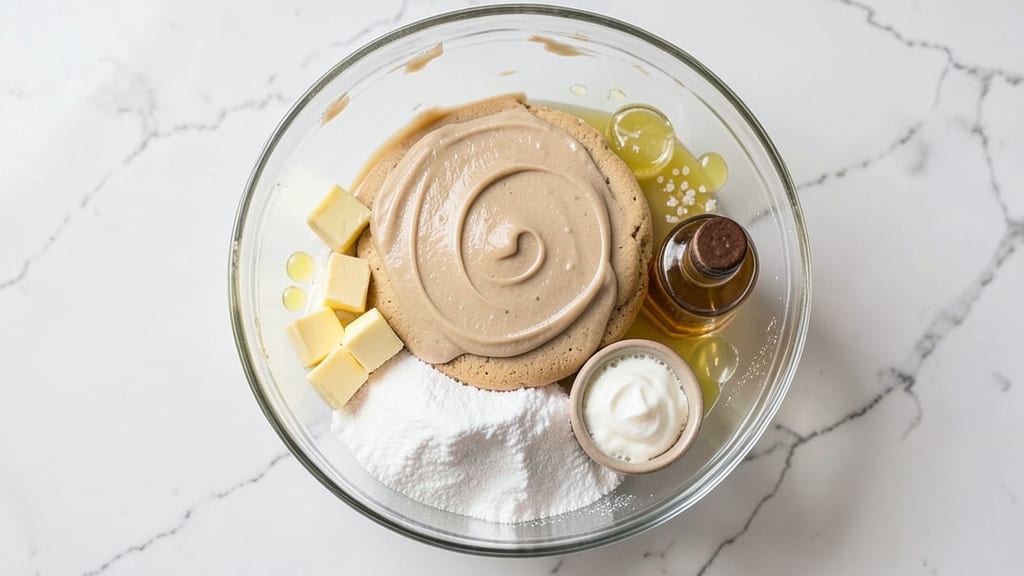
This thick sugar cookie icing recipe delivers buttery swirls that stay piped high for hours—no sagging or sliding here. The secret lies in the precise ratio of powdered sugar to butter, which creates a firm yet spreadable consistency perfect for borders, rosettes, or flooding.
I developed this formula after years of testing, and it never fails to produce professional-quality results that hold their shape.
What makes this icing stand out is its versatility—it works equally well for piping intricate designs or flooding cookies smoothly. The buttercream base ensures rich flavor while maintaining stability, and the addition of vanilla extract and a pinch of salt balances sweetness for a sophisticated finish.
Unlike traditional royal icing, this version stays workable at room temperature, making it ideal for decorating large batches.
By following this recipe, you'll achieve perfectly structured icing that holds its shape without cracking or dripping. The texture is thick enough to pipe clean lines but still soft enough to spread smoothly for flooding.
Whether you're decorating holiday cookies or creating elegant designs for special occasions, this icing delivers consistent, professional results every time.
Store leftovers in an airtight container at room temperature for up to 5 days, or refrigerate for longer shelf life. The key to success is working in a cool environment and using the right tools—piping bags with small tips and a smooth surface for flooding.
Let's get started on creating your perfect sugar cookie icing.
Ingredients for thick sugar cookie icing
Eight ingredients for piping perfection—no more sagging or sliding here.
| Ingredient | Amount | Notes |
|---|---|---|
| Powdered Sugar 🍚 | 4 cups | Sifted for smooth texture |
| Unsalted Butter 🧈 | 1 cup | Cold, cubed for stability |
| Pure Vanilla Extract 🌿 | 1 tbsp | High-quality, not imitation |
| Heavy Whipping Cream 🥛 | ¼ cup | Full-fat for richness |
| Salt 🧂 | ¼ tsp | Fine sea salt preferred |
| Lemon Juice 🍋 | ½ tsp | Freshly squeezed for brightness |
| Cornstarch 🌾 | 1 tbsp | For extra stability |
| Almond Extract 🌿 | ¼ tsp | Optional, for depth |
The powdered sugar is non-negotiable—Domino brand is my go-to for consistent results, but any high-quality brand works. Sift it first to avoid lumps, and measure it carefully since this is what gives the icing its structure. The butter needs to be cold—cut it into cubes and let it sit at room temperature for 20 minutes max. If it melts, your icing will be too soft. For the vanilla, Heinz brand is worth the splurge—it adds real depth of flavor. Keep all your ingredients at room temperature before mixing to ensure smooth blending.
No vanilla extract? Almond extract at half the amount adds a nice floral note, or skip it entirely if you're not a fan. Running low on cornstarch? Arrowroot powder works 1:1, though it's pricier. The heavy whipping cream can be swapped for Greek yogurt for a tangier twist, but it'll be slightly less stable. If you're decorating in humid weather, add another 0.25 tsp cornstarch for extra hold. The lemon juice might seem odd, but it brightens the sweetness and helps balance the richness of the butter—don't skip it.
This icing stays workable at room temperature for 3-4 days in an airtight container, but it'll firm up faster in warm kitchens. For longer storage, refrigerate for up to 1 week, bringing it to room temperature before use. The texture will be slightly thicker when cold, so let it sit for 10-15 minutes before piping. For large batches, divide it into piping bags with couplers—this keeps everything organized and prevents waste. If your icing gets too stiff, soften it with a few drops of milk or water.
Why You'll Love This Recipe
- Four-Ingredient Magic: I swear by this combo—just butter, cream, sugar, and vanilla. No fancy stabilizers, no stressing over ratios. The heavy cream keeps it lusciously thick without graininess, and the butter adds that melt-in-your-mouth richness. Honestly, it’s the kind of recipe where you’ll forget you’re even baking.
- Vanilla Bomb: That pure vanilla extract isn’t just flavor—it’s impact. The warmth lingers with every bite, cutting through the sweetness like a perfect balance. Between us, I’ve tried imitation before, and this? This is the real deal. You’ll taste the difference the second it hits your tongue.
- Holiday or Snack Attack: Slather it on gingerbread for Christmas, drizzle it over cinnamon rolls for a lazy Sunday, or—my guilty pleasure—spread it on toast with a sprinkle of flaky salt. It’s the kind of icing that works as hard as you do, whether you’re prepping for a party or just craving something sweet after dinner.
- No-Waste Wonder: The leftovers? They last forever in the fridge, and I’ve reheated a dollop of this stuff after a week with zero issues. Plus, the ingredients are cheap—you’re not breaking the bank for a jar of powdered sugar or a stick of butter. It’s the ultimate budget-friendly upgrade for any treat.
Step-by-step instructions for thick sugar cookie icing
Here's how to create piping-stiff icing that holds its shape beautifully.
Sift and Whisk Powdered Sugar and Cornstarch
In a large mixing bowl, combine the 4 cups powdered sugar and 1 tablespoon cornstarch. I use a fine-mesh sieve to sift them together—this removes any lumps and creates a perfectly smooth base for the icing. Give it a quick whisk to break up any remaining clumps, then set aside. The cornstarch is key here; it adds stability and helps the icing hold its shape when piped.
This step is critical for preventing graininess in your finished icing. If you skip sifting, you'll end up with tiny sugar grits that make the texture unpleasant. Take your time here—it's worth the extra effort for that professional finish.
Cream Cold Butter and Heavy Cream
In the bowl of a stand mixer fitted with the paddle attachment, beat the 1 cup cold, cubed unsalted butter and ¼ cup heavy whipping cream on medium speed for 2-3 minutes. You're looking for a creamy, fluffy mixture that's lightened in color. The cold butter is essential—it prevents the icing from becoming too soft and keeps it piping-stiff.
I like to cube the butter rather than using softened sticks because the cold temperature helps stabilize the icing. If your butter starts to melt too quickly, chill the bowl in the freezer for 5-10 minutes before continuing. The mixture should be smooth but not greasy—this ensures your icing will hold its shape beautifully.
Gradually Add Flavors and Liquids
With the mixer running on low speed, gradually add the 1 tablespoon pure vanilla extract, ½ teaspoon lemon juice, ¼ teaspoon salt, and ¼ teaspoon almond extract (if using). Mix just until fully incorporated—about 30 seconds. Then, slowly pour in the sifted powdered sugar mixture while mixing on low speed. This gradual addition prevents a cloud of sugar dust from exploding all over your kitchen.
Here's the thing—adding the sugar too quickly creates air pockets that can make your icing less stable. You want a smooth, thick consistency that's easy to pipe but holds its shape. If the mixture looks too thick, add 1 teaspoon water at a time until it reaches the perfect consistency. The icing should be thick enough to hold its shape when piped but still smooth enough to swirl beautifully.
Beat to Peak Consistency
Increase the mixer speed to medium-high and beat the icing for 3-5 minutes until it's light, fluffy, and holds its shape when piped. You'll know it's ready when it forms a stiff peak that doesn't immediately flatten out. The icing should be thick enough to create those gorgeous rosettes and swirls but still smooth enough to pipe cleanly.
This is where patience pays off. If you rush this step, your icing might be too soft and collapse when you try to pipe it. If it's too thick, add another teaspoon of water and mix until smooth. The goal is a consistency that's firm enough to hold its shape but still easy to work with—a perfect balance for creating those stunning sugar cookie decorations.
Test and Adjust for Piping Perfection
Transfer the icing to a piping bag fitted with a large star tip (like Wilton 1M or 2D). Pipe a small rosette onto parchment paper and let it sit for 5 minutes. If it holds its shape without spreading, your icing is ready to use. If it flattens or spreads too much, add another tablespoon of powdered sugar and mix until smooth. This extra sugar will help stabilize the icing and give it that perfect piping consistency.
I always test my icing on parchment paper first—it's the best way to see how it will behave on your cookies. If it's still too soft, chill it in the refrigerator for 15-20 minutes before piping. The cold temperature will firm it up just enough to hold its shape beautifully. Once you've got the perfect consistency, you're ready to create those stunning sugar cookie decorations that will make your treats look like they came straight from a bakery.
Pro Tips For Making Thick Sugar Cookie Icing
- Chill the Butter First: Take that butter out of the fridge 10 minutes before mixing—room temperature makes it easier to cream smoothly. I learned this the hard way when my icing turned grainy because cold butter fought me like a stubborn toddler.
- Sift the Powdered Sugar: Skip the clumps by sifting the powdered sugar directly into your mixing bowl—it dissolves faster and gives you that silky texture. Yes, it’s extra work, but your icing will thank you.
- Whip the Cream Last: Mix the butter, vanilla, and salt first, then fold in the heavy cream at the very end—this keeps your icing thick and stable. Adding cream too early makes it runny faster than a snowman in July.
- Use a Stand Mixer: Hand-whisking is fine, but a stand mixer (on medium speed) cuts the effort in half and ensures even consistency. I was skeptical until I tried it—now I never go back.
Perfect pairings for thick sugar cookie icing
Classic Cookie Pairings
This rich buttercream icing pairs perfectly with thick, chewy sugar cookies that have a slightly crisp edge. The contrast between the soft, buttery icing and the sturdy cookie base creates a satisfying texture.
I recommend using molasses-spiced cookies—the deep caramel notes complement the vanilla beautifully. For a festive touch, try peppermint or cinnamon cookies during the holidays. 🍪
Creamy Cheesecake Swirls
Add a dollop of smooth cream cheese frosting (like Philadelphia brand) to your piping bag and gently swirl it into the buttercream before decorating. The tangy cream cheese balances the sweetness, creating a sophisticated flavor profile.
For extra elegance, pipe a thin border of plain icing first, then add the swirl on top. This technique works especially well for wedding cookies or special occasion treats.
Crunchy Toppings
Sprinkle crushed peppermint candies or toasted coconut flakes on top of piped rosettes for added texture. The crunch contrasts beautifully with the soft icing, and the flavors add an unexpected twist.
For a nutty option, try finely chopped pecans or almond slivers—toast them first in a dry pan for 2-3 minutes until fragrant. These toppings not only enhance the visual appeal but also provide a delightful crunch with every bite. 🌟
Chocolate Drizzle Finish
For a decadent touch, drizzle melted dark or white chocolate over decorated cookies after the icing sets. Use a thin squeeze bottle for precise control—this creates an elegant, marbled effect. I recommend Ghirardelli brand chocolate for its rich flavor and smooth texture.
Let the chocolate set for 10-15 minutes before serving to prevent smudging. This finishing technique elevates simple cookies into showstopping desserts.
Fruit Compote Accents
Add a small dollop of berry compote (like raspberry or strawberry) alongside the icing for a fruity contrast. The tartness cuts through the sweetness, creating a balanced flavor.
Use a small piping bag with a round tip to dot the compote in strategic spots—this adds visual interest without overpowering the icing. For a festive look, try cranberry sauce during the winter holidays. The acidity in the fruit complements the buttery richness perfectly. 🍓
Nutrition facts
Frequently asked questions
Why does my icing spread too much when piping?
The most common cause is butter that's too warm or insufficient powdered sugar. Always use cold, cubed butter and ensure your icing forms a stiff peak when tested. If it's still too soft, add 1 tablespoon powdered sugar at a time and mix until smooth. Chilling the icing for 15-20 minutes before piping also helps it hold its shape better.
Can I make this icing without a stand mixer?
Use a hand mixer or even a sturdy whisk. Beat the butter and heavy cream until light and fluffy, then gradually add the powdered sugar mixture while mixing vigorously. It'll take more elbow grease, but you'll still achieve that perfect thick consistency. Just be patient—hand mixing requires more time to incorporate all the ingredients evenly.
How do I color this icing for different occasions?
Use gel food coloring for vibrant hues without altering the consistency. Start with a small amount (about 1/8 teaspoon) and mix well, then add more gradually until you reach your desired shade. For pastel colors, use 1/16 teaspoon and mix thoroughly. Avoid liquid coloring—it can make the icing too thin and affect its stability.
Will this icing work for flooding cookies?
Yes, but you may need to adjust the consistency slightly. For flooding, beat the icing until it's smooth and slightly thinner than piping consistency—it should spread easily but still hold its shape. If it's too thick, add 1 teaspoon water or milk at a time until it reaches a spreadable texture. Let it sit for 5 minutes before using to ensure even coverage.
Can I substitute butter with margarine?
Not recommended! Margarine has a lower fat content and often contains water, which can make your icing too soft and unstable. If you must substitute, use vegetable shortening in equal amounts, but expect a slightly different texture. The butter in this recipe is key for that rich flavor and proper consistency that holds its shape beautifully.