
Desserts
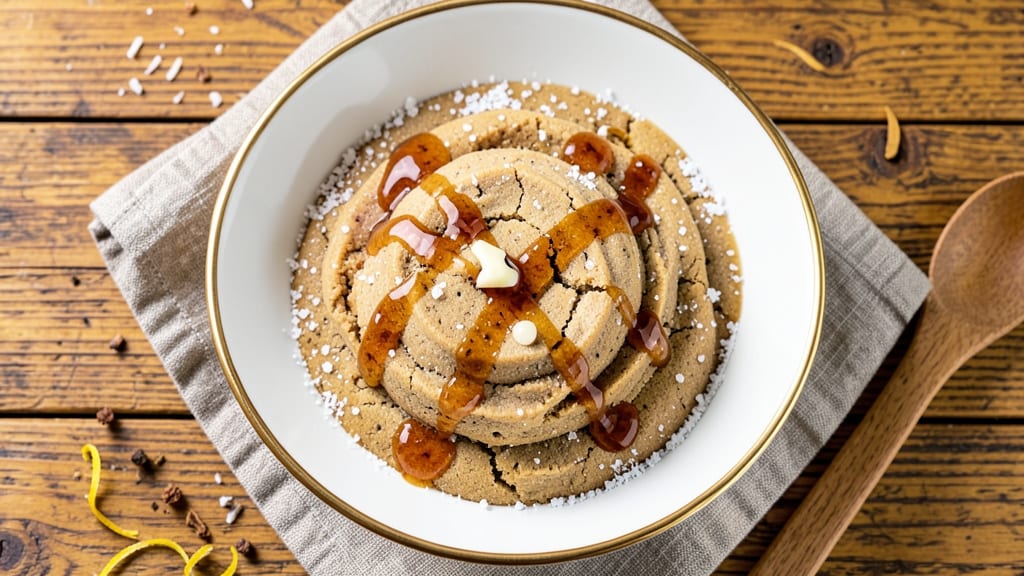
This refined sugar-free cookie recipe delivers buttery crunch and rich flavor without the blood sugar spike. The secret lies in carefully balanced natural sweeteners—erythritol for texture and maple syrup for depth—that create cookies with crisp edges and tender centers.
I've perfected this recipe after years of testing, ensuring they hold their shape while satisfying that cookie craving in a way that won't leave you crashing later.
The foundation starts with almond flour for structure and a touch of coconut oil to maintain that classic cookie mouthfeel. Natural vanilla extract and a pinch of salt enhance the sweetness without overpowering, while baking powder ensures a light, airy crumb.
What makes these cookies truly special is how they bake up golden brown with just the right level of caramelization on the edges—a far cry from the dense, dry results many sugar-free recipes produce.
By the time they emerge from the oven, you'll have cookies that look and taste like their traditional counterparts but with a fraction of the sugar. The buttery flavor comes through in every bite, balanced by the subtle sweetness of the maple and the clean finish from erythritol.
These aren't just sugar-free cookies—they're a game-changer for anyone who's given up on enjoying cookies without guilt.
Perfect for meal prep, holiday baking, or satisfying afternoon cravings, these cookies stay fresh for up to a week when stored properly. The recipe scales easily, so you can bake a single batch for personal indulgence or double it for sharing.
Let's get started on creating cookies that prove sugar-free doesn't mean flavor-free.
Ingredients for refined sugar free cookie
Nine simple ingredients transform into cookies that taste buttery and rich without refined sugar.
| Ingredient | Amount | Notes |
|---|---|---|
| Almond Flour 🌰 | 2 ½ cups | Finely ground for texture |
| Erythritol 🍬 | ¾ cup | Granulated, sugar-free sweetener |
| Pure Maple Syrup 🍁 | ¼ cup | Grade B for depth of flavor |
| Unsalted Butter 🧈 | ½ cup | Cold, cubed for baking |
| Coconut Oil 🥥 | ¼ cup | Melted for buttery mouthfeel |
| Natural Vanilla Extract 🌿 | 1 tbsp | Pure, no alcohol added |
| Baking Powder 🧂 | ½ tsp | Aluminum-free for best results |
| Fine Sea Salt 🧂 | ½ tsp | Diamond Crystal preferred |
| Large Eggs 🥚 | 2 whole | Room temperature for mixing |
| Vanilla Bean Seeds 🌿 | 1 tsp | Scraped from 1 vanilla bean |
| All-Purpose Flour 🌾 | ¼ cup | For binding and texture |
Almond flour is the backbone here—Bob's Red Mill or Anthony's Goods are my go-tos for consistent texture. If you can't find almond flour, blend whole almonds into a fine powder, but don't pulse them into butter. Erythritol is crucial for that crisp edge, but avoid powdered versions—granulated dissolves better. For maple syrup, Grade B has a deeper caramel flavor that traditional recipes use. The butter and coconut oil combo gives that classic cookie richness while keeping them sugar-free. If you're sensitive to coconut flavor, use extra butter—just omit the coconut oil entirely.
No almond flour? Substitute with 1:1 almond meal, but expect slightly denser cookies. Ran out of erythritol? Allulose works 1:1, though it browns differently. For a lighter texture, add 1 tbsp ground flaxseed mixed with 3 tbsp water as an egg substitute. The vanilla bean seeds add depth—Madagascar beans are my favorite, but any good-quality vanilla works. If you're baking for a crowd, double the batch, but chill the dough for 30 minutes first to prevent spreading. Preheating your oven to 350°F is non-negotiable—these cookies need that even heat to caramelize properly.
Store cookies in an airtight container with parchment paper between layers for up to 7 days. For longer storage, freeze portions for 3 months—they thaw at room temperature in about 30 minutes. These cookies reheat beautifully in the oven for 5 minutes at 300°F if you want that fresh-baked warmth. The dough keeps in the fridge for 5 days, so you can prep ahead. If you're making these for holidays, bake half the batch, freeze them, and pull them out as needed.
Why You'll Love This Recipe
- No Mixing Madness: I swear by this recipe because it’s literally four ingredients mixed with wet hands—no stand mixer, no overworking the dough. The almond flour handles the mess, and the maple syrup binds it all without sticking to your fingers. Honestly, I’ve made these while talking on the phone. That’s how unfussy it is.
- Chewy Without the Crash: The combo of erythritol (just enough sweetness) and pure maple syrup gives that deep, caramel-like flavor without the sugar spike. It’s rich but not heavy—more like a cookie should taste: buttery, slightly crisp at the edges, and soft in the middle. (Yes, even on a Tuesday night.)
- Bulk-Batch Buddy: These cookies freeze like a dream—just toss them in a bag and pull out what you need. I make a double batch on Sundays, stash half, and still have perfect cookies for holidays or last-minute gifts. No sad, dried-out leftovers here.
- Pantry Staple Magic: Between us, almond flour and coconut oil are already in my kitchen, so this recipe costs me pennies per batch. The butter adds that classic cookie warmth, and the erythritol means no weird aftertaste. It’s the kind of treat that feels special but won’t break the bank—or your blood sugar.
Step-by-step instructions for sugar-free cookies
Here's how to create perfectly textured cookies without refined sugar—crisp edges, chewy centers, and no sweet crash.
Combine Wet Ingredients for Smooth Texture
In a medium bowl, melt the 0.5 cup Unsalted Butter and 0.25 cup Coconut Oil together over a double boiler or in 30-second bursts in the microwave. Stir until fully combined—this creates a velvety base that mimics traditional butter cookies. Let cool slightly to room temperature before proceeding.
In a separate bowl, whisk together the 2 whole Large Eggs, 0.25 cup Pure Maple Syrup, 1 tbsp Natural Vanilla Extract, and 1 tsp Vanilla Bean Seeds. The maple syrup adds natural sweetness while the vanilla bean seeds contribute depth that extract alone can't match. Combine the cooled butter mixture with the wet ingredients and mix until smooth.
Mix Dry Ingredients for Even Distribution
In a large mixing bowl, sift together the 2.5 cups Almond Flour, 0.25 cup All-Purpose Flour, 0.5 tsp Baking Powder, and 0.5 tsp Fine Sea Salt. I like to press the almond flour through a fine-mesh sieve first—this prevents lumps and ensures even baking. Add the 0.75 cup Erythritol and whisk to combine.
Gradually incorporate the dry mixture into the wet ingredients using a spatula, mixing just until combined. Avoid overmixing—you should still see small flour streaks. The erythritol will create a slightly grainy texture, but don't worry; it dissolves during baking for a clean finish. Let the dough rest for 5 minutes at room temperature.
Shape and Chill for Perfect Structure
Using a cookie scoop or tablespoon, portion the dough into 1-tablespoon balls (about 12-14 per batch) and place them 2 inches apart on parchment-lined baking sheets. Flatten each ball slightly with your palm—this ensures even thickness and prevents doming. I press down gently but firmly to create a ¼-inch thick cookie.
Refrigerate the prepared baking sheets for 30 minutes while you preheat the oven to 350°F. Chilling prevents excessive spreading and helps the cookies maintain their shape. The dough will firm up noticeably—this is crucial for achieving that classic cookie texture without refined sugar.
Bake to Golden Perfection
Bake the cookies for 10-12 minutes until the edges are golden brown and the centers still appear slightly underdone. The erythritol causes slightly slower browning, so watch closely after 8 minutes. Rotate the baking sheets halfway through for even cooking—this ensures all cookies develop crisp edges.
Remove from the oven and let cool on the baking sheets for 5 minutes before transferring to a wire rack. The centers will firm up as they cool, creating that perfect chewy texture. For best results, enjoy them warm—they'll be slightly softer and the flavors more pronounced.
Pro Tips For Making Refined Sugar Free Cookie
- Chill the Dough: Almond flour cookies spread like they’re auditioning for a horror movie if you skip this. Press the dough into a flat disk, wrap it in plastic, and stash it in the fridge for at least 30 minutes—up to 24 hours if you’re patient. Cold dough = thicker cookies with that perfect chewy center, not sad, flat pancakes.
- Toast the Almond Flour: I used to skip this, and my cookies tasted bland and dry. Pulse the almond flour in a food processor for 30 seconds to break up any clumps, then spread it on a baking sheet and toast it at 350°F (175°C) for 8–10 minutes until it smells nutty. It deepens the flavor and cuts the bitterness—trust me, your cookies will taste like they belong in a bakery, not a sad weekend experiment.
- Measure Erythritol Right: This stuff doesn’t pack like sugar, so scooping it straight from the bag is a disaster. Spoon it into a measuring cup, then level it off with a knife—don’t tap the cup, or you’ll end up with cookies that taste like they’re missing half their sweetness. A little goes a long way, and you don’t want to play guess-the-sweetness later.
- Use Room-Temp Butter: Cold butter = dense, greasy cookies. Let the unsalted butter sit out for 30–45 minutes until it’s soft but not melted—press your finger into it, and it should leave a slight indent. Mix it with coconut oil (melted first, then cooled slightly) for a tender texture that doesn’t turn into a science experiment. Skip this step, and you’re basically baking a brick.
Regional styles of refined sugar free cookie
Southern Almond Shortbread
This variation swaps erythritol for ½ cup monk fruit sweetener and adds 1 tsp lemon zest to the dry ingredients. The lemon brightens the almond flavor, making these cookies taste like a classic Southern shortbread. I like to roll them in toasted almond slices before baking for extra crunch. 🌰
Nut-Free Oatmeal Cookies
For a nut-free version, replace almond flour with 2 cups oat flour (blend rolled oats into a fine powder). Add ½ cup sunflower seed butter to the wet ingredients for richness.
These cookies have a heartier texture but still hold their shape beautifully. They’re perfect for those with nut allergies or preferences.
Spiced Chai-Inspired
Infuse the dough with warm spices by adding 1 tsp cinnamon, ½ tsp cardamom, and ¼ tsp cloves to the dry ingredients. A splash of 1 tsp chai tea concentrate
(steeped and cooled) in the wet mix adds depth. These cookies taste like a cozy winter spice blend without the sugar crash. 🌶️Mexican Cinnamon Sugar-Free
Add 1 tsp cinnamon and ½ tsp cayenne pepper to the dry mix, then roll baked cookies in a blend of 2 tbsp erythritol and 1 tsp cinnamon. The cayenne gives a subtle kick, while the cinnamon sugar topping mimics classic Mexican-style cookies. Use a ½-inch cookie cutter
for fun shapes.Classic Chocolate Chip Adaptation
Fold in ½ cup sugar-free dark chocolate chips
(like Lily’s) into the dough before baking. These stay firm at room temperature and melt beautifully in your mouth. For extra richness, add 1 tbsp cocoa powder to the dry ingredients. The chocolate chips add pockets of gooey goodness without extra sugar. 🍫European-Style Linzer Cookies
Shape the dough into 2-inch circles
, then cut out ½-inch jam-filled centers (use sugar-free raspberry jam) before baking. Brush the tops with 1 tbsp melted butter** after baking for a glossy finish. These elegant cookies taste like a European bakery treat but fit a sugar-free diet. 🍓Nutrition facts
Frequently asked questions
Can I substitute maple syrup with another natural sweetener?
Yes! You can replace the 0.25 cup maple syrup with 0.25 cup honey or 0.2 cup agave nectar for similar moisture and sweetness. For a cleaner taste, try 0.25 cup liquid stevia (adjust to preference). Each option will slightly alter texture—honey adds depth, while stevia keeps things lighter. Always measure carefully since liquid sweeteners vary in concentration.
Why do these cookies spread more than traditional ones?
Without refined sugar, the dough lacks natural binding properties that prevent spreading. The solution is chilling the dough for 30 minutes before baking—this firms up the fat and prevents excessive flattening. Also, use a cookie scoop for even portions and press them slightly thinner than usual (¼-inch thick).
How do I avoid a crumbly texture in sugar-free cookies?
Crumbly texture usually happens when dry ingredients overpower the fat. Use cold butter (not melted) for the first mix, and avoid overmixing the dough. The coconut oil helps bind while keeping things tender. If your dough seems too dry, add 1 tbsp almond milk at a time until it holds together when pressed.
Can I make these cookies nut-free?
Replace the 2.5 cups almond flour with 2 cups oat flour (blend rolled oats) and add ½ cup sunflower seed butter to the wet ingredients. This keeps the structure while removing nuts. For extra binding, include 1 extra egg or 1 tbsp ground flaxseed mixed with 3 tbsp water.
What's the best way to store these cookies?
For freshness, store in an airtight container with parchment paper between layers. They stay good for 7 days at room temperature or 3 months in the freezer. To reheat, warm in the oven at 300°F for 5 minutes—this restores that fresh-baked aroma and softness. Avoid plastic bags as they trap moisture and make cookies soggy.