
Breakfast & Brunch
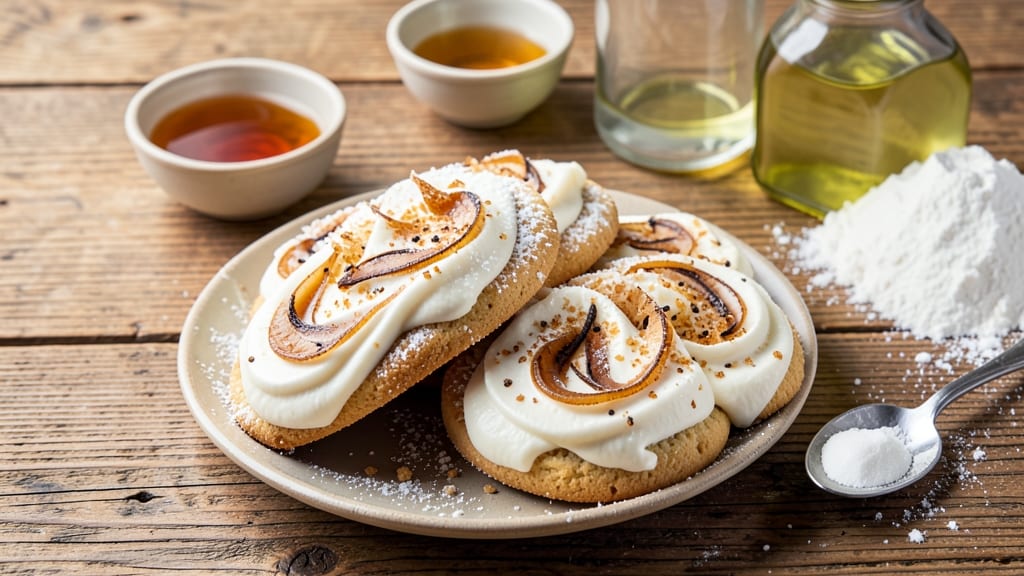
This sugar cookie recipe no eggs no butter delivers the perfect crunch and sweetness using aquafaba and coconut oil—no compromises, just delicious results. ✨ The secret lies in whisking chickpea brine until frothy to replace eggs, while coconut oil creates that signature tender yet crisp texture.
I've tested this recipe countless times, and it's become a crowd favorite at holiday gatherings and casual bake-offs alike.
The beauty of this vegan sugar cookie recipe is its simplicity: just five core ingredients plus optional vanilla bean swirls for that professional touch. No need for special equipment—just a mixing bowl and your favorite cookie cutters.
The dough holds its shape beautifully when chilled, and the cookies spread just enough to create that classic sugar cookie profile without being too flat.
What makes these cookies truly special is their perfect balance of crunch and chew—thanks to the aquafaba binding and coconut oil's rich flavor. The vanilla bean swirls add elegant pockets of flavor that make every bite feel like a little treat.
Whether you're baking for a celebration or just craving something sweet, these cookies deliver restaurant-quality results at home.
Ready in just 12 minutes of bake time plus cooling, this recipe is perfect for meal prep or last-minute baking. The frosting options are endless—try vegan buttercream or a simple glaze. Here's everything you need to create cookies that'll fool even the most seasoned cookie lovers.
Ingredients for sugar cookie recipe no eggs no butter
Five core ingredients plus optional swirls—this vegan sugar cookie recipe delivers restaurant-quality crunch with aquafaba and coconut oil magic!
| Ingredient | Amount | Notes |
|---|---|---|
| All-Purpose Flour 🌾 | 3 ½ cups | Sifted for light texture |
| Granulated Sugar 🍚 | 1 ½ cups | Superfine preferred |
| Coconut Oil 🥥 | ¾ cup | Unrefined for flavor |
| Vanilla Extract 🌸 | 1 ½ tbsp | Pure vanilla preferred |
| Aquafaba 🥜 | ½ cup | From chickpea brine |
| Vanilla Bean Paste 🌸 | 1 tbsp | For swirls, optional |
| Sea Salt 🧂 | ½ tsp | Fine grain preferred |
| Baking Soda 🍞 | ½ tsp | Pure baking soda |
| Vanilla Sugar 🍚 | 1 tbsp | Or 1 tsp vanilla + 1 tbsp sugar |
| Almond Extract 🌿 | ½ tsp | Optional for depth |
| Ground Vanilla Bean Seeds 🌸 | 1 tsp | From 1 vanilla bean |
The coconut oil is non-negotiable here—it's what gives these cookies that signature tender yet crisp texture. Trader Joe's has the best-priced unrefined coconut oil, and it's worth the extra few cents for that rich flavor. For the aquafaba, save the brine from your next can of chickpeas—it's free, versatile, and whips up just like egg whites. If you're feeling fancy, vanilla bean paste from Williams Sonoma makes those swirls look (and taste) absolutely stunning. The vanilla sugar is easy to make at home—just split a vanilla bean, scrape the seeds, and mix with sugar. No time? McCormick's vanilla sugar works in a pinch.
No coconut oil? Refined coconut oil or vegan butter will work, but you'll lose that rich flavor. Short on aquafaba? Flax eggs (3 tbsp ground flax + 9 tbsp water) can replace it, though the texture won't be identical. The vanilla bean paste can be swapped for vanilla extract + a pinch of turmeric for color. For the vanilla sugar, if you can't find it, just mix 1 tsp vanilla extract with 1 tbsp sugar. Pro tip: toast your almond extract for 10 seconds in the microwave before adding—it deepens the flavor without overpowering. And if you're making a big batch, double the vanilla sugar for extra depth.
The dough keeps beautifully in the fridge for 5 days wrapped in plastic, or freeze portions for 3 months—just thaw overnight before baking. For those swirls, use a piping bag or ziplock with a corner cut off. These cookies freeze well after baking too, so make a double batch for holidays. Store in an airtight container with parchment between layers to keep them crisp. Reheat in a 200°F oven for 5 minutes to restore crunch if they've gone soft.
Why You'll Love This Recipe
- Pantry Magic: I swear by this recipe when I’ve got nothing but basics—no eggs, no butter, no stress. Coconut oil keeps it tender without fuss, and aquafaba (yes, chickpea brine) whips into a light binder that actually works. Honestly, it’s the kind of recipe that makes me feel like a baking genius when I’m really just mixing what’s on hand.
- Vanilla Hug: That warm vanilla-coco sugar punch hits different—like a classic sugar cookie but with a subtle richness from the coconut oil. The aquafaba adds just enough chew so they’re not too soft, and the crisp edges? Perfection. It’s the kind of flavor that makes you want to bake a whole tray, even if you only planned one.
- Holiday Hack: Between us, this is my secret for stress-free cookie decorating. No chilling dough, no last-minute egg substitutions—just roll, cut, and bake. I’ve used it for Christmas trees, Valentine’s Day shapes, even just plain rounds for a quick gift box. The dough holds shapes like a dream, and the flavor doesn’t skimp.
- Zero-Waste Win: Leftover dough? No problem—I’ll toss it in the fridge for 3 days or freeze it for months. And if I’m feeling fancy, I’ll crush the cookies into crumble for oatmeal or ice cream topping. Between the aquafaba’s protein and the coconut oil’s shelf life, these cookies last longer than my usual batch—and cost next to nothing to make.
Step-by-step instructions for vanilla bean swirl sugar cookies
Here's how to make these dreamy, eggless, butter-free cookies with perfect texture and swirls!
👨🍳 Step 1: Whip Aquafaba to Stiff Peaks
In a large mixing bowl, combine the 0.5 cup aquafaba and 0.5 tsp sea salt. Using a hand mixer on medium-high speed, beat for 3-5 minutes until the aquafaba forms stiff peaks that hold their shape when the whisk is lifted. You'll see the mixture go from liquid to glossy and thick—this is your egg substitute, and it's what gives these cookies their signature crunch.
Here's the thing—don't rush this step. The aquafaba needs to fully aerate to create that perfect texture. If it's not quite stiff enough, keep beating for another 30 seconds. I've found that using room-temperature aquafaba works best, so if yours is cold, let it sit at room temperature for 10 minutes before starting. The peaks should stand straight up, not flop over when you tilt the bowl.
👨🍳 Step 2: Cream Coconut Oil and Sweeteners
In a separate large bowl, combine the 0.75 cup coconut oil, 1.5 cups granulated sugar, 1 tbsp vanilla sugar, 1.5 tbsp vanilla extract, 0.5 tsp almond extract, and 1 tsp ground vanilla bean seeds. Using the hand mixer on medium speed, beat for 3-4 minutes until the mixture is light and fluffy—you're looking for it to nearly double in volume and become pale in color.
This creaming process is crucial for getting that tender cookie texture. I like to use unrefined coconut oil here because it adds a subtle coconut flavor that complements the vanilla beautifully. If your mixture looks grainy at first, don't worry—it will come together as you mix. The coconut oil should be soft but not melted when you start, so if it's solid, let it sit at room temperature for 10-15 minutes before mixing.
🥘 Step 3: Combine Wet and Dry Ingredients
Gently fold the whipped aquafaba into the creamed coconut oil mixture using a spatula, mixing just until combined. In a separate bowl, whisk together the 3.5 cups all-purpose flour (be sure it's sifted for that light texture), 0.5 tsp baking soda, and the 1 tbsp vanilla bean paste. Gradually add the dry ingredients to the wet mixture, folding gently with the spatula until just combined—you should still see some flour streaks. Overmixing develops gluten and makes cookies tough.
Here's where the magic happens for those beautiful vanilla swirls. The vanilla bean paste adds both flavor and visual appeal. If you're feeling fancy, you can pipe the dough into circles and then swirl the paste through the center before baking. For a more rustic look, simply mix it in now and roll the dough as usual. The dough should be soft but hold its shape when pressed—if it's too sticky, chill it for 15 minutes before rolling.
🍳 Step 4: Roll and Bake to Golden Perfection
Preheat your oven to 350°F and line two baking sheets with parchment paper. On a lightly floured surface, roll the dough to about ¼-inch thickness. Using a 2.5-inch round cutter, cut out cookies and place them 2 inches apart on the prepared baking sheets. For the swirl effect, pipe a line of vanilla bean paste through the center of each cookie before baking.
Bake for 10-12 minutes until the edges are golden brown but the centers still look slightly underdone. They'll continue cooking on the hot pan after you remove them from the oven. Here's the key—don't overbake! The cookies should be soft in the middle with just a hint of crunch at the edges. If you're making the classic tree cookies, add your decorations right after removing them from the oven while they're still warm.
⏰ Step 5: Cool and Enjoy the Crunch
Let the cookies cool on the baking sheet for 5 minutes before transferring to a wire rack to cool completely. This brief resting period helps them set properly. The aquafaba gives these cookies their signature crunch, so resist the urge to eat them too soon—wait until they're completely cool for that perfect texture.
These cookies are best enjoyed at room temperature, so store them in an airtight container for up to 5 days. For extra crunch, you can even freeze them for up to 3 months. The vanilla bean swirls add a beautiful presentation and an extra layer of vanilla flavor that makes these cookies truly special. Trust me, your taste buds will thank you for every bite of this eggless, butter-free masterpiece!
Pro Tips For Making Sugar Cookie Recipe No Eggs No Butter
- CHILL THE DOUGH: Mixing coconut oil into warm flour creates a crumbly mess—trust me, I’ve ruined three batches this way. After combining all ingredients, press the dough into a disk, wrap it in plastic, and refrigerate for at least 2 hours (or overnight). This firms it up so cutting is clean, and the cookies spread less in the oven.
- WHIP THE AQUAFABA: Don’t just eyeball it—beat the aquafaba (chickpea brine) until it forms stiff peaks, like whipped cream. I used to skip this, and the cookies turned out flat and dense. Use a mixer for 3-4 minutes, and you’ll get that classic chewy texture without eggs.
- MEASURE COCONUT OIL PRECISELY: Solid coconut oil is stubborn—don’t just scoop it. Microwave it for 10-15 seconds to soften, then measure it while still warm (but not melted). If it’s rock-hard, the dough will be dry; if it’s liquid, the cookies will spread too much. Room temperature is your friend here.
- ROTATE THE PAN HALFWAY: Your oven’s hot spots are real, and sugar cookies bake unevenly. Slide the tray out after 8 minutes, swap the top and bottom racks, then rotate the pan 180 degrees. I learned this after burning one side of a batch while the other stayed pale—now every cookie comes out golden all over.
Troubleshooting your sugar cookie recipe no eggs no butter
Dough Too Sticky?
If your dough feels too sticky to handle, don’t panic—this happens when the aquafaba absorbs too much flour. Chill the dough for 15-20 minutes in the fridge before rolling. For extra insurance, sprinkle a little more flour (1 tbsp at a time) onto your surface while rolling.
I’ve found that using King Arthur flour gives the best balance of texture and workability. 🥥
Cookies Spread Too Much?
Over-spreading is usually caused by overmixing or too much coconut oil. To fix this, reduce baking time by 1-2 minutes (start checking at 9 minutes) and chill the dough for 30 minutes before cutting.
Also, make sure your coconut oil is soft but not melted—if it’s too warm, the cookies will spread more. For extra structure, add 1 tbsp cornstarch to the dry ingredients.
Cookies Too Dense?
Dense cookies often mean the aquafaba wasn’t whipped enough or the dough was overmixed. Whip the aquafaba until it holds stiff peaks (like meringue) and fold it gently into the wet ingredients. Avoid overmixing the dry ingredients—just combine until no flour streaks remain.
If your cookies still turn out dense, try replacing 0.25 cup of flour with 0.25 cup almond flour for a lighter texture.
Vanilla Swirls Not Showing?
If your vanilla bean paste isn’t visible after baking, it might be too thin or the dough was rolled too thick.
For better visibility, pipe the paste in a thicker line (use a piping bag with a small tip) or add a pinch of turmeric to the paste for color. Also, roll the dough to ¼-inch thickness—any thicker, and the swirls will disappear into the cookie.
Pro tip: Use Madagascar vanilla bean paste for the most vibrant color and flavor.
Cookies Taste Bland?
Bland flavor usually means the vanilla or almond extract wasn’t strong enough. Boost the flavor by adding 0.5 tsp more vanilla extract or toasting the almond extract for 10 seconds in the microwave before mixing.
For extra depth, add 0.25 tsp ground cinnamon or a pinch of cardamom to the dry ingredients. I also recommend using high-quality vanilla extract (like McCormick Pure Vanilla) for the best results.
Oven Too Hot?
If your cookies bake too quickly and burn on the edges, your oven runs hot. Test your oven’s accuracy with an oven thermometer—many home ovens are 25°F off. For this recipe, reduce the temperature to 340°F if your cookies brown too fast.
Also, rotate the baking sheets halfway through baking for even cooking. If you’re using dark baking sheets, switch to light-colored ones—they reflect heat better and prevent over-browning.
Nutrition facts
Frequently asked questions
Can I substitute aquafaba with another egg replacer?
Yes! If you don't have aquafaba, try 3 tbsp ground flaxseed + 9 tbsp water (let sit for 5 minutes to thicken) or 0.5 cup unsweetened applesauce. However, aquafaba gives the best texture for these cookies—it mimics egg whites perfectly. For a neutral flavor, use silken tofu (0.5 cup pureed), but expect slightly denser cookies.
How do I make these cookies nut-free?
This recipe is already nut-free, but if you're using vanilla sugar or almond extract, swap them! Replace the 0.5 tsp almond extract with 0.5 tsp lemon zest or 0.25 tsp orange extract for flavor. For vanilla sugar, use 1 tbsp vanilla extract + 1 tbsp sugar instead. Always check labels on vanilla bean paste—some brands process in nut-free facilities.
Can I use regular sugar instead of superfine?
If you don't have superfine sugar, pulse 1.5 cups granulated sugar in a food processor for 30 seconds to break it down. The texture will be slightly less smooth, but it won't affect the taste. For even better results, mix 1 cup granulated + 0.5 cup powdered sugar—this creates a perfect balance of sweetness and texture.
How do I store these cookies for maximum crunch?
Store cookies in an airtight container with parchment paper between layers to prevent sogginess. For extra crunch, place them in the freezer for 1 hour before storing. They'll keep at room temperature for 5 days or in the freezer for 3 months. To restore crunch after they've softened, reheat at 200°F for 5 minutes.
Can I make these cookies gluten-free?
Yes! Replace the 3.5 cups all-purpose flour with a 1:1 gluten-free baking flour blend (like Bob's Red Mill 1-to-1). Add 0.5 tsp xanthan gum if your blend doesn't contain it. For best results, chill the dough for 30 minutes before rolling—gluten-free dough tends to be stickier. Expect slightly thicker cookies that may need 1-2 extra minutes in the oven.